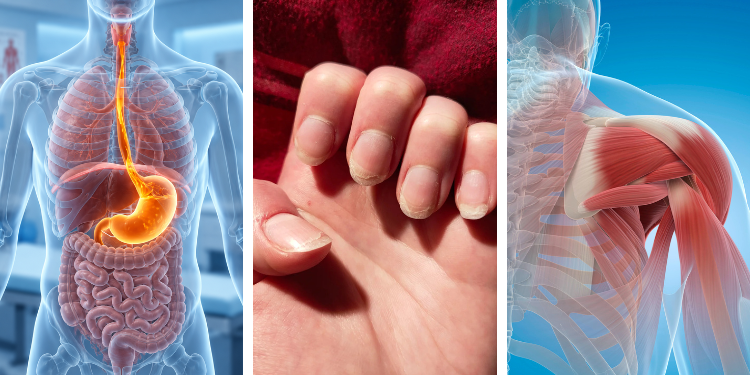
You’ve probably heard someone say that feeling tired, having digestive problems, experiencing headaches, or craving sugar means your body has become “too acidic.”
The internet is full of lists explaining how to “alkalize your body” with lemon water, green vegetables, alkaline water, baking soda, or special detox drinks.
There’s just one problem:
Your body doesn’t work quite that way.
Your blood has to remain within a very narrow pH range for your cells and organs to function normally. Your lungs and kidneys constantly work together to maintain this balance.
If your blood actually becomes significantly too acidic – a medical condition known as acidosis – it can be serious and sometimes life-threatening.
First: What Does “Too Acidic” Actually Mean?
The pH scale measures how acidic or alkaline something is.
A lower pH is more acidic, while a higher pH is more alkaline.
Different areas of your body naturally have very different pH levels.
Your stomach, for example, needs to be highly acidic to help with digestion.
Your blood, on the other hand, is maintained within a very narrow, slightly alkaline range.
Your body protects that blood pH extremely carefully.
Two organs do much of the work:
Your lungs help regulate carbon dioxide.
Your kidneys help regulate acids and bicarbonate and remove acids through urine.
This happens automatically throughout the day.
You don’t need to consciously “alkalize” yourself after eating an acidic meal.
Can Food Make Your Blood Too Acidic?
In a generally healthy person, eating acidic or “acid-forming” foods doesn’t simply turn the blood acidic.
Your body compensates.
Diet can influence the composition and pH of urine, because the kidneys are involved in eliminating various substances.
That’s one reason people can become confused after using home urine-pH strips.
They eat differently, their urine pH changes, and they conclude:
“I’ve changed the pH of my entire body!”
Not necessarily.
Changing urine pH isn’t the same as meaningfully changing blood pH.
In fact, changes in urine can simply reflect the body doing its job to maintain stable internal conditions.
What Is Real Acidosis?
True acidosis is a medical condition.
There are two broad categories.
Metabolic acidosis
This can happen when the body produces too much acid, loses too much bicarbonate, or the kidneys can’t remove acid adequately.
Possible causes include conditions such as:
- Diabetic ketoacidosis
- Kidney disease
- Severe diarrhea
- Lactic acidosis
- Certain poisonings
- Some kidney-tubule disorders
Respiratory acidosis
This happens when the lungs can’t remove enough carbon dioxide.
Because carbon dioxide contributes to the body’s acid-base system, retaining too much can lower blood pH.
This can occur with serious respiratory problems and other conditions that interfere with breathing.
These aren’t conditions you treat with cucumber water or an alkaline smoothie.
They require identifying and treating the underlying cause.
20 Signs Often Blamed on an “Acidic Body”
1. Persistent Fatigue
Fatigue is frequently blamed on “excess acidity.”
True acid-base disturbances can sometimes cause fatigue or lethargy.
But fatigue has dozens of possible causes, including:
- Poor sleep
- Iron deficiency
- Thyroid problems
- Infection
- Stress
- Depression
- Nutritional deficiencies
- Medication effects
Fatigue alone doesn’t tell you your body’s pH.
2. Unusual Weakness
Muscle weakness can occur with certain electrolyte and acid-base disturbances.
But again, it’s extremely nonspecific.
If weakness is persistent or unexplained, the solution isn’t automatically an alkaline drink.
Finding the underlying cause matters much more.
3. Rapid or Deep Breathing
This one deserves more attention.
Rapid, deep breathing can occur with metabolic acidosis because the body may attempt to compensate by removing more carbon dioxide through the lungs.
This can occur in serious conditions such as diabetic ketoacidosis.
Unexplained rapid or deep breathing—particularly when accompanied by confusion, severe weakness, vomiting, or illness—requires medical attention.
4. Shortness of Breath
Respiratory acidosis can occur when the body can’t eliminate enough carbon dioxide through breathing.
Shortness of breath has many possible causes and should never simply be blamed on “being acidic.”
If breathing becomes suddenly or severely difficult, seek urgent medical care.
5. Confusion
Significant disturbances in acid-base balance can affect brain function.
Confusion can occur in serious metabolic or respiratory problems.
New or severe confusion is a medical warning sign, not something to treat with dietary changes at home.
6. Unusual Sleepiness
Respiratory acidosis can sometimes cause sleepiness or lethargy as carbon dioxide accumulates.
Of course, everyday sleepiness is much more commonly related to inadequate sleep and numerous other causes.
Context matters.
7. Headaches
Headaches are often included on “acidic body” lists.
But an ordinary headache isn’t evidence that your blood is acidic.
Headaches can arise from dehydration, migraine, tension, illness, sleep deprivation, caffeine withdrawal, and many other causes.
Treating every headache as a pH problem can distract from the real cause.
8. Muscle Cramps
Muscle cramps can accompany some electrolyte disorders.
However, they aren’t a reliable way to diagnose acidosis.
Hydration, physical activity, medications, circulation, nerve problems, and electrolyte abnormalities are just some of the many factors that can contribute.
9. Nausea
Nausea can accompany many metabolic illnesses, including some that disrupt acid-base balance.
But it’s also one of the least specific symptoms imaginable.
Food poisoning, viruses, migraine, pregnancy, medications, digestive disorders, and countless other things can cause nausea.
10. Vomiting
Severe or persistent vomiting can actually disturb acid-base and electrolyte balance.
Interestingly, prolonged vomiting can contribute to metabolic alkalosis—the opposite of acidosis—because stomach acid is being lost.
That’s an excellent example of why symptoms shouldn’t be interpreted through simplistic “acid versus alkaline” rules.
11. Irregular Heartbeat
Severe acid-base and electrolyte disturbances can affect heart rhythm.
This isn’t something to self-treat with an alkaline diet.
A new or significant irregular heartbeat, especially with chest pain, fainting, severe shortness of breath, or weakness, requires medical assessment.
12. Loss of Appetite
Loss of appetite sometimes appears on lists of acidosis symptoms.
But it can occur with hundreds of illnesses and emotional or physiological conditions.
If appetite changes persist or lead to unintended weight loss, talk with a healthcare professional.
13. Digestive Discomfort
Bloating, heartburn, and digestive discomfort are frequently interpreted as “too much acid in the body.”
But stomach acid and blood pH are completely different issues.
Your stomach is supposed to be acidic.
Heartburn usually involves stomach contents moving into the esophagus; it doesn’t mean your entire body has become acidic.
14. Acid Reflux
The word “acid” makes this especially confusing.
Acid reflux involves gastric contents irritating the esophagus.
It isn’t evidence of acidic blood.
You don’t need to “alkalize your whole body” because you experience reflux.
15. Brain Fog
“Brain fog” isn’t a medical diagnosis and can be associated with poor sleep, stress, illness, medications, nutritional problems, hormonal changes, and many other factors.
Severe acid-base disturbances can affect mental function, but occasional difficulty concentrating doesn’t prove that your body is acidic.
16. Poor Sleep
Poor sleep is sometimes attributed to dietary acidity.
There’s no simple blood-pH explanation for ordinary insomnia.
Sleep can be affected by:
- Stress
- Caffeine
- Alcohol
- Screen exposure
- Sleep apnea
- Pain
- Anxiety
- Medication
- Irregular schedules
Improving those factors is much more useful than trying to manipulate blood pH.
17. Frequent Sugar Cravings
Sugar cravings are another popular “acidic body” symptom online.
There isn’t a reliable clinical rule connecting ordinary sugar cravings with blood acidosis.
Cravings may instead be influenced by habits, hunger, restrictive dieting, stress, food availability, and individual physiology.
18. Skin Problems
Dry skin, acne, rashes, and other skin changes are sometimes blamed on an “acidic internal environment.”
That’s far too simplistic.
Skin problems have many possible causes, and persistent changes deserve appropriate evaluation rather than an alkaline cleanse.
19. Brittle Nails
Brittle nails are sometimes added to alkaline-diet symptom lists.
They’re not a reliable indicator of blood pH.
Frequent water exposure, aging, nail products, nutritional deficiencies, thyroid conditions, and other factors can affect nails.
20. General Malaise
Sometimes you simply don’t feel right.
Low energy, poor concentration, digestive discomfort, poor sleep, and an unhealthy diet can certainly make someone feel worse.
But that doesn’t automatically mean the body has become acidic.
What it may mean is that it’s time to look at your overall lifestyle, diet, sleep, stress, hydration, and health.
And this is where some of the best ideas from the so-called alkaline diet actually become useful.
10 Ways to Support Your Body’s Natural Acid-Base Balance
You can’t—and shouldn’t try to—rapidly manipulate your blood pH with food.
Your lungs and kidneys already regulate it.
However, there are plenty of things you can do to support the organs and overall health systems responsible for maintaining normal balance.
And interestingly, many resemble the healthier parts of an “alkaline” lifestyle.
1. Eat More Vegetables
This is probably the best lesson to borrow from alkaline diets.
Fill more of your plate with vegetables.
Try:
- Spinach
- Kale
- Broccoli
- Cauliflower
- Bell peppers
- Carrots
- Cabbage
- Zucchini
- Cucumbers
- Leafy greens
These foods provide fiber, vitamins, minerals, antioxidants, and numerous phytochemicals.
They aren’t valuable because they magically alkalize your bloodstream.
They’re valuable because vegetables are good for you.
2. Eat More Whole Fruit
Fruit sometimes gets unnecessarily demonized because it contains natural sugar.
Whole fruit also provides:
- Fiber
- Vitamins
- Minerals
- Water
- Polyphenols
- Carotenoids and other plant compounds
Berries, apples, oranges, kiwi, melon, peaches, pears, and other fruits can all contribute to a healthy dietary pattern.
And here’s something interesting:
Lemons taste highly acidic, yet they’re frequently labeled “alkalizing” by alkaline-diet advocates.
That alone shows why judging a food’s effect on the body based simply on how acidic it tastes doesn’t work.
3. Drink Enough Water
You don’t need expensive alkaline water.
Regular water works perfectly well for hydration.
Adequate hydration supports kidney function and normal physiological processes.
Your kidneys play a major role in regulating electrolytes and acid-base balance.
Make water easier to drink by adding:
- Lemon slices
- Cucumber
- Mint
- Berries
- Orange slices
Do it for flavor—not because the ingredients are “detoxing” your blood.
4. Replace Some Ultra-Processed Foods
One reason people sometimes feel better after starting an “alkaline diet” may have nothing to do with pH.
Look at what they’ve stopped eating.
Often it’s:
- Sugary drinks
- Processed meats
- Candy
- Fast food
- Highly refined snacks
- Excess alcohol
- Large amounts of added sugar
And what did they replace those foods with?
Vegetables, fruit, legumes, nuts, seeds, and whole grains.
It’s hardly surprising that diet quality improves.
You don’t need the pH explanation to benefit from the change.
5. Eat More Legumes
Beans, lentils, peas, and chickpeas are inexpensive nutritional powerhouses.
They provide:
- Plant protein
- Fiber
- Potassium
- Magnesium
- Folate
- Numerous phytochemicals
Try replacing some highly processed foods or portions of red and processed meat with legumes.
That’s a meaningful dietary improvement regardless of what happens to urine pH.
6. Include Nuts and Seeds
Almonds, walnuts, pumpkin seeds, chia seeds, flaxseed, pistachios, and other nuts and seeds provide combinations of:
- Healthy fats
- Protein
- Fiber
- Magnesium
- Minerals
- Plant compounds
A small handful makes an easy snack.
Again, think nutrient density, not “alkalizing power.”
7. Support Your Lungs
Your lungs aren’t just responsible for oxygen.
They also continuously remove carbon dioxide, making them essential to acid-base regulation.
Protecting lung health therefore makes much more physiological sense than drinking an “alkaline detox.”
Avoid smoking and unnecessary exposure to inhaled pollutants where possible.
Stay physically active according to your abilities and medical circumstances.
And seek medical care for persistent breathing problems rather than attempting to correct them with food.
8. Support Kidney Health
Your kidneys are another major part of your body’s acid-base regulation system.
General habits that support overall kidney and cardiovascular health include:
- Staying appropriately hydrated
- Managing blood pressure
- Managing diabetes if present
- Avoiding unnecessary medication or supplement misuse
- Eating a balanced diet
- Not smoking
- Following medical advice if you have kidney disease
If you already have kidney disease, don’t start an extreme “alkaline” diet or take potassium-rich supplements without professional advice.
Kidney disease can change how the body handles minerals and electrolytes.
9. Get Regular Physical Activity
Exercise doesn’t “alkalize” your blood.
But regular physical activity contributes to overall metabolic, cardiovascular, muscular, and mental health.
Walking is a perfectly good place to start.
Aim for consistency rather than trying to compensate for an unhealthy lifestyle with occasional extreme workouts.
Exercise, sleep, nutrition, hydration, and stress management work together.
10. Build Your Diet Around Whole Foods
This is the simplest way to take the useful parts of the alkaline-diet idea without accepting the pseudoscience.
The idea that headaches, fatigue, bloating, poor sleep, sugar cravings, or skin problems automatically mean your body is “too acidic” sounds convincing – but human physiology is much more sophisticated than that.