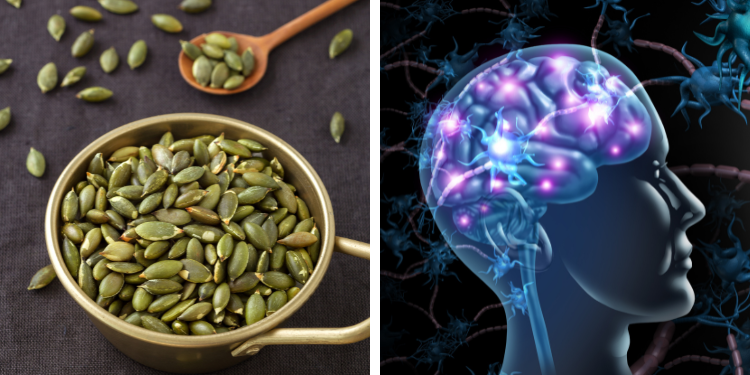
Pumpkin seeds – often called pepitas when shelled – are far more than a seasonal byproduct of autumn carving.
These small, flat, green seeds represent one of nature’s most concentrated packages of bioavailable minerals, healthy fats, and neuroprotective compounds.
While long recognized for supporting prostate and cardiovascular health, recent nutritional science highlights three profound, interconnected benefits of incorporating pumpkin seeds into your daily diet: strengthening immune defenses, taming chronic inflammation, and stabilizing mood against anxiety and depression.
1. Fortifying Immune Defense Systems
Your immune system relies on a continuous supply of micro-nutrients to produce, mature, and deploy white blood cells. Pumpkin seeds act as a natural multivitamin for your body’s cellular defenses.
-
Zinc Density: A single ounce (roughly 28 grams) of pumpkin seeds supplies over 14% of the recommended daily value of zinc. Zinc is essential for the development and signaling of T-lymphocytes and natural killer (NK) cells. A minor zinc deficiency impairs antibody production and leaves the body vulnerable to viral pathogens.
-
Selenium and Copper Synergy: Beyond zinc, pumpkin seeds contain trace amounts of copper and selenium, which help regulate the inflammatory cascade during acute immune responses, preventing damage to healthy tissue.
-
Antimicrobial Phytochemicals: Pumpkin seeds contain unique proteins and lignans that exhibit natural antifungal and antiviral properties in the digestive tract, where over 70% of the immune system resides.
2. Quelling Chronic Systemic Inflammation
Unchecked systemic inflammation lies at the root of cardiovascular disease, metabolic syndrome, joint degeneration, and autoimmune flares. Pumpkin seeds combat oxidative stress using a rich suite of lipophilic antioxidants.
-
Vitamin E Complex: Unlike synthetic supplements that offer a single form of Vitamin E, pumpkin seeds contain multiple forms of tocopherols and tocotrienols. This blend provides superior protection against lipid peroxidation in cellular membranes.
-
Carotenoid Scavengers: The distinct green hue of raw pepitas comes from high concentrations of lutein, beta-carotene, and zeaxanthin. These carotenoids neutralize free radicals before they can trigger pro-inflammatory cytokines like interleukin-6 (IL-6) and tumor necrosis factor-alpha.
-
Essential Fatty Acid Balance: Pumpkin seeds are rich in linoleic acid (omega-6) and alpha-linolenic acid (ALA, an omega-3). When consumed as whole food rather than refined oils, these fatty acids help synthesize anti-inflammatory prostaglandins.
3. Keeping Anxiety and Depression at Bay
The link between diet and mental health (nutritional psychiatry) points strongly to the gut-brain axis.
Pumpkin seeds contain a targeted combination of nutrients that calm an overactive nervous system and support mood-regulating neurotransmitters.
-
The Tryptophan-Serotonin-Melatonin Pipeline: Pumpkin seeds are one of the highest plant-based sources of L-tryptophan, an essential amino acid. The brain uses tryptophan to synthesize serotonin (the “feel-good” neurotransmitter) and subsequently converts it to melatonin (the sleep-regulating hormone).
-
High-Dose Bioavailable Magnesium: Just one ounce delivers nearly 37% of your daily magnesium needs. Magnesium acts as a natural gatekeeper for N-methyl-D-aspartate (NMDA) receptors in brain cells. When magnesium levels drop, NMDA receptors fire excessively, leading to hyper-excitability, restless anxiety, and elevated cortisol.
-
GABA Activation: Pumpkin seeds contain gamma-aminobutyric acid (GABA) and glutamate building blocks that encourage GABAergic activity in the central nervous system, helping to quiet racing thoughts and induce mental stillness.
Nutritional Breakdown (Per 1-Ounce / 28g Serving)
| Key Nutrient | Amount per Serving | % Daily Value (DV) | Primary Biological Function |
| Magnesium | 150 mg | 37% | Regulates NMDA receptors, relaxes smooth muscle, lowers anxiety |
| Zinc | 2.2mg | 20% | Powers T-cell maturation and immune signaling |
| Tryptophan | 0.16g | High | Converts directly to serotonin and melatonin in the brain |
| Iron | 2.5 mg | 14% | Prevents fatigue and supports cellular oxygen transport |
| Protein | 7-9 g | 15% | Provides amino acid precursors for neurotransmitters |
| Healthy Fats | 13 g | 17% | Enhances absorption of fat-soluble vitamins and antioxidants |
How to Incorporate Pumpkin Seeds into Your Daily Routine
To maximize nutrient bioavailability and reduce phytic acid (which can bind minerals), consider soaking or lightly roasting your seeds:
Adding just a handful of pumpkin seeds to your morning oatmeal, salads, smoothies, or enjoying them as a standalone afternoon snack is an effortless, evidence-based strategy to bolster immune resilience, ease systemic inflammation, and nurture a calm, balanced mind.