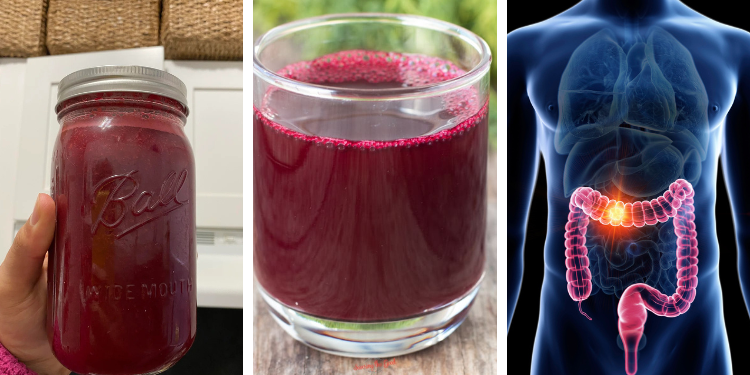
Beetroots (Beta vulgaris) have long enjoyed a stellar reputation in herbal tradition and modern sports nutrition.
Known for their deep crimson hue and earthy flavor, these taproots pack an extraordinary concentration of inorganic nitrates, betalains, folate, and essential minerals.
While research consistently praises the cardiovascular and performance-boosting potential of beet juice, reading clinical trials is very different from experiencing the real-world effects firsthand.
To see how these physiological mechanisms translate into daily life, I committed to a simple 30-day experiment: drinking 8 ounces (240mL) of fresh, organic beetroot juice every single morning on an empty stomach.
Here is a detailed breakdown of the noticeable physical, cognitive, and metabolic changes that occurred over those 30 days, along with the science behind them.
The Daily Regimen & Biochemical Baseline
To keep variables consistent throughout the month, I prepared the juice fresh each morning using a cold-press masticating juicer. The standard mix consisted of raw red beetroots paired with half a green apple and a squeeze of fresh lemon juice to balance the heavy, earthy sweetness.
-
Serving Size: 8 ounces (240mL) of raw beetroot juice.
-
Timing: Consumed every morning at 7:30 AM, roughly 30 minutes before breakfast or a morning workout.
-
Bioactive Content: High in inorganic nitrates, water-soluble betalain antioxidants (betanin and isobetanin), potassium, and natural folate (Vitamin B9).
1. Days 1–5: The Initial “Energy Surge” and Vascular Warmth
The most immediate change occurred within 45 to 60 minutes of finishing the very first glass. Instead of the sharp, jittery spike associated with morning coffee, beetroot juice produced a subtle, sustained sense of warmth and mental alertness.
The Enterosalivary Nitrate Pathway
This rapid effect is driven by the enterosalivary nitrate-nitrite-nitric oxide pathway:
When you drink beetroot juice, the inorganic nitrates mix with natural bacteria living on your tongue. Once swallowed, gastric acid and vascular enzymes reduce nitrite into Nitric Oxide —a master signaling molecule that signals the smooth muscle lining your blood vessels to relax.
-
Capillary Expansion: As blood vessels open up (vasodilation), systemic blood flow increases, reducing peripheral resistance and delivering more oxygen directly to tissues.
-
Sustained Energy: By expanding capillary networks, oxygen transport becomes markedly more efficient, producing a smooth, calm energy curve that lasted well into the afternoon without a mid-day crash.
2. Days 6–10: A Noticeable Drop in Resting Blood Pressure
By the end of the first week, the vascular benefits were no longer just a feeling; they were quantifiable on a home blood pressure monitor.
-
Before the Experiment: Baseline blood pressure averaged 124/82mmHg.
-
By Day 10: Evening and morning readings settled at an average of 116/76 mmHg.
This 6 to 8 mmHg reduction in systolic pressure aligns closely with findings published in clinical cardiovascular journals.
By keeping nitric oxide levels elevated continuously through daily intake, the vascular walls maintain optimal elasticity, reducing the mechanical workload placed on the heart during every contraction.
3. Days 11–18: Athletic Endurance and Reduced Muscle Fatigue
The most dramatic shift occurred during workouts. As a regular runner and recreational lifter, I tracked stamina, heart rate, and post-exercise recovery closely throughout the 30-day trial.
Mitochondrial Efficiency
Nitric oxide does not simply dilate blood vessels; it acts directly at the cellular level by optimizing how your mitochondria generate energy (ATP).
-
Lower Oxygen Cost: Studies show that nitrate supplementation reduces the total amount of oxygen required during submaximal exercise. In practice, running at a 8-minute-per-mile pace felt noticeably less taxing on my lungs and legs.
-
Extended Time-to-Exhaustion: During high-intensity interval training (HIIT), my time-to-exhaustion lengthened. I could complete extra reps or run longer intervals before experiencing the classic burning sensation of lactic acid accumulation.
-
Faster Recovery: Post-workout muscle soreness dropped significantly. The high concentration of betalains—powerful nitrogenous antioxidants unique to beets—helped neutralize exercise-induced inflammatory cytokines, allowing for faster muscle tissue repair between training sessions.
4. Days 19–24: Sharper Focus and Reduced Midday “Brain Fog”
Around the three-week mark, a distinct mental shift became evident. Complex tasks, writing sessions, and long afternoon screen work felt less draining.
-
Cerebral Perfusion: Aging and stress often impair microvascular blood flow to the brain, particularly to the frontal lobe—the region responsible for executive function, working memory, and focus.
-
Targeted Brain Oxygenation: Brain imaging studies show that dietary nitrates preferentially boost blood flow to the frontal cortex. Drinking beetroot juice ensured a steady supply of oxygenated, nutrient-rich blood to cerebral tissue throughout the day, virtually eliminating the afternoon mental fog that usually sets in around 2:00 PM.
30-Day Physiological Impact Summary
| Timeline Phase | Key Observed Biomarker / Feeling | Underlying Mechanism | Real-World Benefit |
| Days 1–5 | Sustained warmth & steady energy | Rapid NO conversion; vasodilation | Smooth alternative to caffeine jitters |
| Days 6–10 | 6\8 mmHg systolic BP reduction | Sustained systemic arterial relaxation | Reduced mechanical stress on the heart |
| Days 11–18 | Extended stamina; lower post-workout soreness | Mitochondrial oxygen optimization & betalain activity | Enhanced workout capacity & fast recovery |
| Days 19–24 | Sharper mental focus; no 2 PM crash | Increased frontal lobe microvascular perfusion | Sustained cognitive endurance |
| Days 25–30 | Improved digestion & healthy skin tone | Prebiotic pectin fiber & Phase II liver support | Smooth digestion & vibrant skin appearance |
5. Days 25–30: Improved Digestion and Skin Radiance
During the final week of the experiment, secondary benefits appeared across digestive health and skin appearance.
-
Phase II Liver Support: Beets are rich in betaine and sulfur-containing compounds that support Phase II liver detoxification pathways. Betaine helps the liver break down fats and convert homocysteine into methionine, protecting both hepatic and cardiovascular systems.
-
Gut Health & Regularity: Although juicing removes much of the insoluble plant fiber, cold-pressed beet juice still contains valuable soluble pectin fibers. These fibers act as prebiotics for beneficial gut bacteria, promoting smooth, regular digestion throughout the entire month.
-
Skin Luminosity: Enhanced microcirculation means skin cells receive greater oxygen and nutrient delivery. Coupled with the free-radical quenching power of betalains, my skin looked notably clearer and more hydrated by Day 30.
Two Important “Surprises” You Should Expect
If you decide to try daily beetroot juicing yourself, there are two harmless but surprising side effects you should be aware of:
1. Beeturia (Red-Tinte Urinated & Stool):
Between 10 – 14%of the population experiences beeturia – a condition where un-metabolized betalain pigments turn your urine and stool a distinct pink or reddish color. It is completely benign and harmless, but it can catch you off guard if you aren’t expecting it!
2. The Antibacterial Mouthwash Trap:
Do not use antiseptic mouthwash while drinking beet juice. Antiseptic mouthwash kills the beneficial oral bacteria on your tongue that are essential for converting dietary nitrates into nitrites. Clinical studies show that using strong antibacterial mouthwash completely blocks the blood-pressure-lowering effects of beetroot juice!
How to Prepare Beetroot Juice for Maximum Results
To get the highest concentration of bioavailable nitrates while keeping your kitchen routine quick and clean, follow this preparation guide:
Drinking beetroot juice every day for 30 days proved to be far more than a simple wellness trend.
If this article inspired you to discover how everyday foods can support a healthier lifestyle, The Encyclopedia of Power Foods is a wonderful resource to explore.
This 375-page guide covers more than 300 powerful foods, combining traditional Chinese Medicine wisdom with modern nutritional science to help you understand their benefits and easily incorporate them into your daily diet.
If you’d like to discover the hidden potential of the foods you eat every day, take a look at The Encyclopedia of Power Foods.