Often dubbed the “sunshine vitamin,” Vitamin D is a fat-soluble nutrient that functions more like a hormone in the human body.
Every tissue and organ system-from your immune cells to your central nervous system—contains receptors for Vitamin D.
Despite its vital importance for human health, Vitamin D deficiency is an underdiagnosed global epidemic affecting over one billion people.
Modern indoor lifestyles, extensive sunscreen use, geographical location, and dietary habits contribute to widespread low levels.
Because Vitamin D deficiency develops gradually, its early indicators are often subtle and easily attributed to general stress, aging, or busy schedules.
Recognizing these early warning signs is essential for protecting long-term bone density, immunity, and overall metabolic health.
13 Common Warning Signs of Vitamin D Deficiency
1. Frequent Infections and Illnesses
One of Vitamin D’s primary physiological roles is supporting a robust immune system. It interacts directly with the cells responsible for fighting off pathogens, particularly T-cells and macrophages.
If you regularly fall ill with colds, flu, or respiratory infections, inadequate Vitamin D levels may leave your immune defenses compromised.
2. Chronic Fatigue and Exhaustion
While fatigue can stem from many causes, severe Vitamin D deficiency is frequently overlooked. Research demonstrates that abnormally low blood levels of Vitamin D lead to sluggish cellular energy output, causing persistent daytime tiredness even when getting adequate rest.
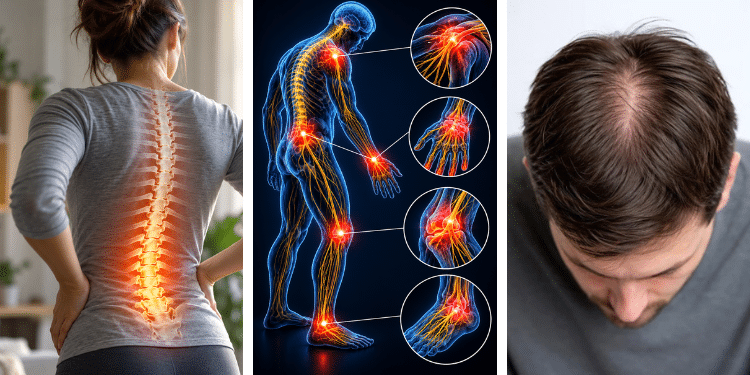
3. Persistent Bone and Lower Back Pain
Vitamin D is essential for intestinal absorption of calcium and phosphorus. Without sufficient Vitamin D, your body cannot maintain strong bone matrix integrity.
This shortfall frequently manifests as a deep, dull ache in the lower back, hips, legs, or ribs.
4. Low Mood and Seasonal Depression
Vitamin D receptors are abundant in brain regions involved in mood regulation, including the hippocampus. Vitamin D aids in the synthesis of serotonin, the neurotransmitter responsible for emotional balance. Low levels are strongly linked to clinical depression, anxiety, and Seasonal Affective Disorder (SAD).
5. Delayed Wound Healing
Slow recovery after surgery, injury, or dental procedures can signal low Vitamin D. The vitamin increases the expression of compounds that generate new tissue and control inflammation during the natural healing cycle.
6. Accelerated Bone Density Loss (Osteopenia/Osteoporosis)
Because calcium absorption depends on Vitamin D, insufficient levels cause the body to leach calcium from the skeleton to preserve vital cardiovascular functions.
In adults, this process leads to low bone mineral density, increasing the risk of osteopenia and bone fractures.
7. Diffuse Hair Loss and Thinning
Severe hair shedding, as well as autoimmune hair loss conditions like alopecia areata, have been consistently associated with Vitamin D deficiency. Vitamin D plays a crucial role in stimulating dormant hair follicles to initiate new growth cycles.
8. Unexplained Muscle Pain and Weakness
Failing to meet Vitamin D requirements compromises muscle tissue function. Receptors located on muscle nerve fibers require Vitamin D to regulate contraction, and deficiency frequently leads to chronic muscle soreness, muscle twitches, and reduced physical strength.
9. Joint Pain and Stiffness
Because Vitamin D helps regulate systemic inflammatory responses throughout the body, deficient individuals often experience increased joint pain and stiffness, particularly in the knees, ankles, and hands.
10. Unintended Weight Gain or Difficulty Losing Weight
Vitamin D influences leptin, the hormone responsible for signaling satiety to the brain. Low levels can disrupt metabolic pathways, contributing to increased fat storage and difficulty managing body weight.
11. Slow Recovery After Exercise
If your muscles remain unusually sore for days following mild physical exertion, deficient Vitamin D levels may be impairing mitochondrial repair and cellular muscle tissue recovery.
12. Impaired Sleep Quality
Vitamin D is directly involved in regulating sleep-wake cycles through its interaction with the brainstem. Deficiencies are correlated with shorter sleep duration, frequent nocturnal awakenings, and restless sleep patterns.
13. Excessive Head Sweating
Historically, unexplained excessive sweating – particularly around the head and forehead – has been recognized as a classic, subtle sign of low Vitamin D levels caused by neuromuscular irritability.
Daily Intake Recommendations and Sources
| Target Group | Recommended Daily Allowance (RDA) | Upper Tolerable Limit | Primary Optimal Sources |
| Infants (0–12 months) | 400 IU (10mcg) | 1,000–1,500 IU | Breast milk supplement drops, fortified formula |
| Children & Adults 1–70 yrs) | 600IU (15mcg) | 4,000 IU | Direct sunlight, wild salmon, egg yolks, supplements |
| Seniors (71+ yrs) | 800IU (20 mcg) | 4,000IU} | Vitamin D supplements, fortified dairy/milks |
3 Reliable Ways to Restore Your Vitamin D Levels
If you suspect your levels are low, a simple blood test measuring 25-hydroxyvitamin D can confirm your status. Here is how to effectively boost your levels:
Vitamin D plays a critical role in supporting bone density, immune strength, muscle health, and emotional balance.
Because symptoms develop gradually, monitoring your body for early warning signs allows you to address deficiencies before long-term health issues arise.