Lavender (Lavandula) is celebrated worldwide for its fragrant purple blooms, silvery-green foliage, and drought-tolerant nature.
Native to the sunny, rocky, and arid regions of the Mediterranean, this woody perennial is built to thrive in conditions that would cause many traditional garden plants to wither.
Yet, despite its reputation as a low-maintenance herb, lavender remains one of the most frequently struggling plants in home gardens.
Gardeners often watch in dismay as a once-vibrant lavender bush turns yellow, develops drooping brown foliage, or rots away from the base.
If your lavender is showing signs of distress, do not throw in the towel just yet. In almost every case, a declining lavender plant is reacting to an environmental imbalance that mimics its non-native surroundings.
The Botanical Science of Lavender’s Native Habitat
To successfully diagnose and fix a dying lavender plant, you must understand its natural Mediterranean physiology:
-
Adaptation to Low Nutrients: Lavender evolved in rocky, chalky, and sandy soils with minimal organic matter. It relies on lean soil to maintain sturdy, compact woody growth rather than soft, leggy stems.
-
Root Sensitivity to Oxygen: Lavender roots require high soil porosity. They need air pockets surrounding the root system to facilitate gas exchange. When water fills these pockets continuously, the roots suffocate rapidly.
-
Foliar Transpiration and Sun Demand: The fine silver hairs (trichomes) covering lavender leaves reflect intense sunlight and trap moisture close to the leaf surface to survive heat. Without 6 to 8 hours of direct, unfiltered sunlight, the plant cannot manufacture sufficient carbohydrates to sustain its thick root network.
1. Overwatering and Root Rot (Phytophthora)
The Symptom
The leaves turn yellow, droop, and feel soft or mushy. The base of the stems may turn brown or black near the soil line, and the whole plant wilts despite the soil being visibly wet.
The Science Behind It
Overwatering is the number one killer of lavender. In waterlogged soil, oxygen levels drop to zero. Opportunistic fungal pathogens, primarily Phytophthora species, attack the oxygen-deprived root tissues.
As the roots rot and turn black, they lose the ability to transport water and nutrients upward – causing the plant to wilt from thirst even though it is sitting in water.
How to Fix It
-
Stop Watering Immediately: Allow the top 3 inches of soil to dry out completely between waterings.
-
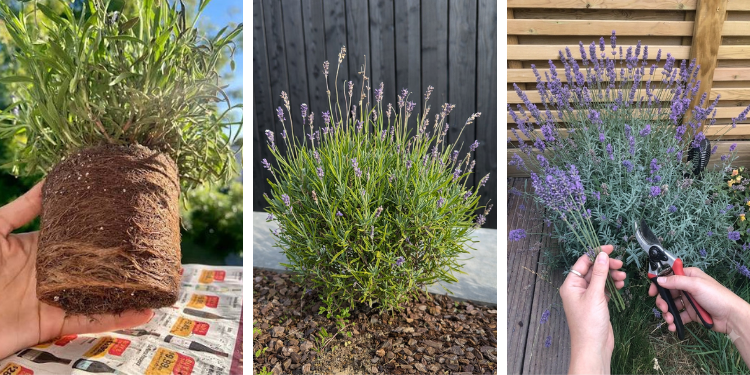
Expose and Inspect Roots: If planted in a container, carefully lift the plant. Snip away any black, slimy, or foul-smelling roots using sterilized shears.
-
Replant in Gritty Soil: Re-pot or replant in a soil mix containing 50% coarse sand, perlite, or pea gravel to guarantee rapid drainage.
2. Heavy Clay Soil and Poor Drainage
The Symptom
Your lavender struggles after heavy rainfall, exhibits slow growth, and steadily develops yellowing foliage from the bottom leaves upward.
The Science Behind It
Clay soils consist of extremely microscopic particles that pack tightly together, holding onto water like a sponge. Even if you water sparingly, rain gets trapped in clay “basins” around the root ball, causing chronic root suffocation.
How to Fix It
- Build Raised Garden Beds: Never plant lavender directly into heavy flat clay soil. Build a raised bed at least 8\12 inches high using a mix of topsoil, coarse sand, and limestone gravel.
- Mound the Soil: If building a bed isn’t an option, create a 10inch soil mound to elevate the root crown above the surrounding ground level, forcing water to drain away laterally.
3. Insufficient Direct Sunlight
The Symptom
The plant grows thin, tall, “leggy,” and flops over. Flowering is sparse or completely absent, and the foliage loses its silvery luster, turning dull green.
The Science Behind It
Lavender requires a minimum of 6 to 8 hours of direct, unfiltered sunlight every day to maintain its structural rigidity.
In partial shade, the plant undergoes etiolation – stretching its stems toward the light source. This results in weak cell walls that cannot support the weight of the foliage or flower heads.
How to Fix It
-
Relocate to Full Sun: Transplant outdoor lavender to an south-facing spot completely free from shade cast by trees or buildings.
-
Prune Stretchy Growth: Cut back the leggy, weak growth by one-third in late spring or late summer to encourage a tight, bushy mound.
4. Acidic Soil pH
The Symptom
The lavender appears stunted, turns yellow, and fails to respond to proper watering and sunlight schedules.
The Science Behind It
Lavender thrives in neutral-to-alkaline soil conditions, with an ideal pH range between 6.5 and 8.0. Acidic soils (pH below 6.0) bind up essential minerals like calcium and magnesium while making aluminum toxic to the root system, preventing proper nutrient uptake.
How to Fix It
-
Test the Soil pH: Use a simple digital soil tester or chemical reagent kit to check the root zone pH.
-
Apply Garden Lime: If the pH is below 6.5, broadcast agricultural lime (calcium carbonate) or crushed oysters/dolomite lime around the base of the plant to raise the pH level into the alkaline range.
5. Over-Fertilization and High Nitrogen
The Symptom
Rapid, soft leafy growth appears, but the plant refuses to bloom. Eventually, the heavy green stems fall outward, exposing a bare woody center, and the plant collapses during hot or windy conditions.
The Science Behind It
In its natural habitat, lavender survives in mineral-rich but nutrient-poor soils. High-nitrogen fertilizers force the plant to build weak, watery plant tissue at the expense of floral buds and root establishment. This soft tissue is also highly susceptible to aphid infestations and fungal infections.
How to Fix It
-
Withhold All Fertilizers: Stop using high-nitrogen lawn fertilizers, miracle-gro feeds, or rich animal manures near lavender.
-
Flush the Soil: If you accidentally over-fertilized a potted lavender, flush the pot with clean water several times to leach excess salts out through the drainage holes.
6. Incorrect Pruning (Cutting Back into Old Wood)
The Symptom
Entire sections of the lavender bush turn brown and die after pruning, showing zero new green shoots from the cut branches.
The Science Behind It
Lavender is a woody subshrub. Unlike many herbaceous perennials, older brown woody stems lose their active dormant buds (adventitious buds).
If you cut deep into the bare, brown wood, the branch cannot regenerate new growth and will simply die back to the main stem.
How to Fix It
-
Follow the “Green Leaf Rule”: When pruning in spring or late summer, never cut deeper than the lowest green leaf joints. Always leave at least 1\2 inches of green leafy growth on every stem.
-
Annual Maintenance: Prune lightly every year after flowering to maintain a rounded dome shape and prevent the center of the plant from becoming woody and bare.
7. High Ambient Humidity and Poor Air Circulation
The Symptom
The inner leaves of the bush turn black, moldy, or drop off rapidly during humid summer weather, while the outer tips still appear green.
The Science Behind It
In regions with hot, humid summers, moisture traps easily inside dense lavender canopies. Fungal spores like powdery mildew and Botrytis thrive in these warm, stagnant pockets, rotting the foliage from the inside out.
How to Fix It
-
Space Plants Properly: Space lavender plants at least 2 to 3 feet apart to allow breezes to flow freely around the entire canopy.
-
Use Gravel Mulch: Never use organic wood bark mulch around lavender; wood bark retains moisture right at the root collar. Replace bark with white crushed rock, gravel, or sand to reflect heat and keep the lower leaves bone-dry.
Lavender Problem & Solution Matrix
| Symptom / Appearance | Likely Root Cause | Immediate Action | Long-Term Prevention |
| Drooping green leaves + wet soil | Overwatering / Root Rot | Stop watering; trim rotten roots | Re-pot in 50% grit soil mix |
| Yellowing bottom leaves in clay | Poor soil drainage | Dig up & plant on raised mound | Build soil up with sand & gravel |
| Tall, floppy stems + no blooms | Lack of sunlight | Move plant to south-facing spot | Ensure 6–8 hours direct sun daily |
| Stunted growth in acid soil | Incorrect soil pH | Add agricultural lime to soil | Maintain soil pH between 6.5–8.0 |
| Soft green leaves + zero flowers | High nitrogen fertilizer | Stop feeding; flush soil | Avoid all synthetic fertilizers |
| Dead brown stems after pruning | Cut into old brown wood | Remove dead branches | Always leave green leaves when trimming |
| Blackened inner foliage in summer | High humidity / Low airflow | Thin out center stems; clear mulch | Mulch exclusively with pea gravel |
Step-by-Step: Emergency Lavender Revival Protocol
If your lavender is severely stressed, follow this 4-step rehabilitation process:
Pro-Tip for Container Lavender: Terracotta and unglazed clay pots are significantly better for lavender than plastic or glazed pots. Terracotta is porous, allowing moisture to evaporate through the container walls and keeping the root zone dry and cool.
By replicating the dry, lean, sunny conditions of its native Mediterranean habitat, you can quickly reverse plant decline and enjoy fragrant lavender blooms for years to come.