When gardeners envision a sweeping transformation, they usually imagine high-budget overhauls: hauling in tons of topsoil, installing raised cedar beds, or planting dozens of expensive nursery starts.
But sometimes, a single plant acts as a catalyst, completely altering the ecosystem, aesthetic, and productivity of an entire yard.
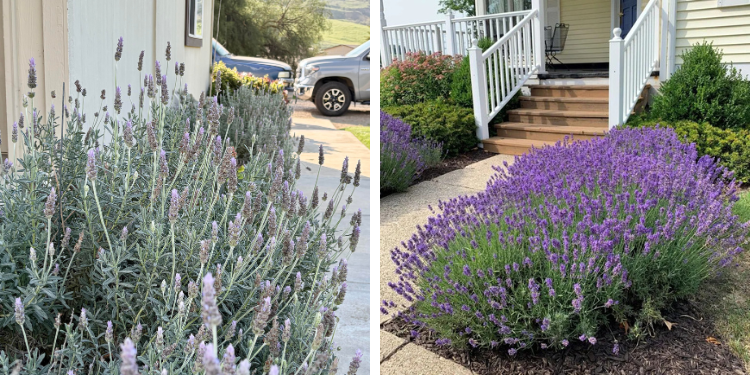
That was the goal of a single, humble English Lavender (Lavandula angustifolia) gallon-pot purchase.
Tucked into an underperforming, heat-scorched corner of the garden, that solitary specimen didn’t just survive – it kicked off a ripple effect that reshaped the entire surrounding garden over the course of a single growing season.
1. The Pollinator Magnet Effect
Before planting lavender, the vegetable patch nearby suffered from patchy pollination. Squash blossoms frequently turned yellow and dropped without setting fruit, and heirloom tomato yields were disappointing.
Within three weeks of the lavender’s purple spires opening, the garden’s micro-climate shifted entirely.
The Insect Magnetism of Linalool
Lavender flowers are rich in linalool and linalyl acetate – aromatic essential oil compounds that act as long-range beacons for native pollinators. Bumblebees, honeybees, hoverflies, and swallowtail butterflies flocked to the blossoms from early morning until dusk.
Because pollinators visited the lavender continuously, they naturally ventured into adjacent beds.
Within a month, tomato fruit set increased noticeably, and zucchini yields doubled – all because a single plant created an anchor for beneficial insects.
2. Natural Pest Deterrence and Companion Planting
While lavender’s fragrant oils draw bees in droves, those same volatile organic compounds act as a natural repellent against destructive garden pests.
Planting lavender alongside susceptible garden crops provided an organic defense layer:
-
Aphid Defense: Female hoverflies attracted to lavender nectar laid their eggs on nearby plants. Hoverfly larvae are voracious predators, consuming hundreds of soft-bodied aphids per week.
-
Mammalian Repellent: Deer and foraging rabbits possess hyper-sensitive olfactory systems. The intense camphor-like scents and bitter tannins in lavender foliage make it unpalatable, keeping nibbling wildlife away from the perimeter.
-
Mosquito Mitigation: Sitting near the garden bed in the evening became far more pleasant, as the surrounding air carried enough natural plant oils to keep buzzing midges and mosquitoes at bay.
3. Soil Improvement and Water Efficiency
The site chosen for the lavender was far from ideal: compacted, sandy loam that baked under full sun and dried out rapidly between rainfalls.
Instead of sulking, the Mediterranean native thrived. Lavender prefers lean, well-draining soil with a neutral to slightly alkaline pH.
Its deep, woody root system loosened the tight soil structure over several months, improving aeration and water infiltration for neighboring shallow-rooted annuals.
Furthermore, lavender requires very little supplemental water once established. Its silver-gray, needle-like foliage is covered in tiny microscopic hairs (trichomes) that reflect harsh sunlight and trap moisture close to the leaf surface, reducing transpiration loss.
The Transformation Timeline: Year 1
Selecting the Right Variety for Your Space
Not all lavenders behave identically. Matching the variety to your climate and goals ensures success:
| Lavender Type | Cold Hardiness | Growth Habit | Best Used For |
| English Lavender (L. angustifolia) | Zones 5–9 (Very Cold-Hardy) | Compact mounds | Culinary uses, essential oils, tight borders |
| French Lavender (L. dentata) | Zones 8–11 (Tender) | Bushy, fringed leaves | Ornamental pots, continuous bloom in mild climates |
| Spanish Lavender (L. stoechas) | Zones 7–10 (Heat-Tolerant) | Distinct “rabbit ear” bracts | Xeriscaping, extreme summer heat, rock gardens |
| Hybrid / Lavandin (L. x intermedia) | Zones 5–9 (Vigorous) | Large, tall spires | Crafting dried sachet bundles, hedge planting |
How to Multiply One Lavender Plant into a Border
The true magic of starting with a single healthy lavender plant is its ability to be cloned infinitely through simple stem cuttings (propagation). You don’t need expensive equipment or seed flats to build a complete lavender hedge.
Golden Rule of Lavender Pruning: Always cut back soft green stems every year after blooming, but never cut back into old, bare wood. Lavender rarely sprouts new buds from older woody stems, and heavy cuts into bare wood can kill the branch entirely.
A single lavender plant is far more than an ornamental decoration.
It operates as a functional anchor in the garden-improving surrounding crop yields, naturally suppressing pests, lowering water demands, and supplying free propagation material for years to come.
If your garden feels stuck, tired, or underperforming, start small. A single, well-placed lavender plant might be all it takes to spark a complete transformation.
The best gardens don’t just brighten your yard – they become something you can enjoy season after season.
If you’re ready to grow your own backyard pharmacy, the Medicinal Garden Kit is a wonderful place to begin.
Inside you’ll find 2,409 non-GMO seeds, a detailed Herbal Medicinal Guide, and 2 FREE bonuses to help you grow a wide variety of traditional medicinal herbs with confidence.
Take a look at the Medicinal Garden Kit and start growing something truly rewarding.