For millions of people worldwide, the morning brew is a non-negotiable ritual. But once that rich, aromatic liquid is extracted into your mug, what happens to the remaining wet grounds? More often than not, they are unceremoniously scraped straight into the trash or compost bin.
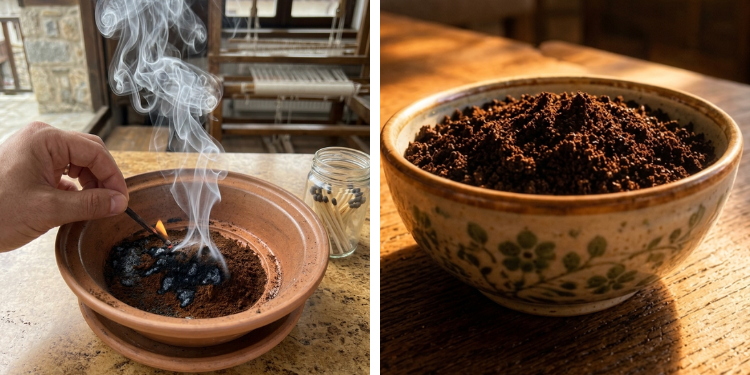
Setting aside a simple bowl of dried coffee grounds in your kitchen, refrigerator, or living area turns household waste into a functional resource.
Coffee grounds are packed with active nitrogen, natural oils, organic acids, and a high-surface-area cellular structure that makes them a natural deodorizer, abrasive cleaner, pest deterrent, and garden booster.
Here is a look at the science behind coffee grounds and 7 practical reasons to keep a bowl of coffee grounds on hand.
The Chemistry of Used Coffee Grounds
To understand why coffee grounds work so well around the house, look at what happens inside the bean during roasting and brewing:
-
Porous Surface Matrix: Roasting expands coffee beans, creating millions of microscopic pores. This porous structure gives coffee grounds a massive surface-area-to-volume ratio, making them work like charcoal or activated carbon to trap airborne odor molecules.
-
Nitrogen Content: Spent coffee grounds contain roughly 2% nitrogen by weight. Nitrogen neutralizes sulfur-based gas compounds (which cause unpleasant foul odors like rotten eggs or spoiled vegetables) by binding them into stable chemical compounds.
-
Volatile Organic Oils & Caffeine: Lingering traces of caffeine and diterpene compounds (like cafestol and kahweol) act as natural chemical deterrents against insects and garden pests, which lack the liver enzymes needed to process caffeine safely.
7 Reasons to Keep a Bowl of Coffee Grounds Around the House
1. Absorbs Stubborn Food Odors in the Fridge and Pantry
Baking soda is the standard recommendation for neutralizing refrigerator smells, but a bowl of dried coffee grounds works just as well – if not better.
While baking soda relies purely on a chemical pH reaction, coffee grounds combine chemical binding (via nitrogen) with physical adsorption (trapping odor molecules inside microscopic pores).
Setting an open bowl of dried grounds on a refrigerator shelf neutralizes lingering smells from pungent cheeses, fish, cut onions, or forgotten leftovers within 24 to 48 hours.
2. Neutralizes Lingering Cooking Odors on Your Hands
Handling raw garlic, onions, scallions, or fresh fish leaves volatile sulfur compounds stuck in the natural oils of your skin. Washing your hands with soap alone rarely removes the smell completely.
Keep a small bowl of slightly damp coffee grounds by the kitchen sink. After chopping pungent ingredients, scoop a tablespoon of grounds into your palm, add a drop of dish soap, and scrub your hands together for 30 seconds.
The coarse coffee particles physically exfoliate your skin and strip away residual food oils, while the nitrogen neutralizes sulfur smells on contact.
3. Acts as a Non-Toxic, Scratch-Free Pan Scrubber
Baked-on grease and burnt food residues on cookware often require heavy scrubbing or harsh chemical cleaners. Coffee grounds offer a natural alternative.
The coarse texture of coffee grounds provides enough friction to lift stubborn, caked-on food bits off cast-iron skillets, stainless steel pots, baking sheets, and oven grates without scratching enamel or metal finishes.
Simply sprinkle 2 tablespoons of grounds directly onto a greasy pan, add warm water and a drop of dish soap, and scrub using a standard sponge or dishcloth.
Comparison: Coffee Grounds vs. Baking Soda for Household Care
| Feature / Metric | Used Coffee Grounds | Baking Soda (Sodium Bicarbonate) |
| Primary Odor Action | Physical adsorption + nitrogen binding | Chemical acid-base neutralization |
| Abrasive Texture | Moderate physical grit (ideal for pots/pans) | Fine grain (dissolves quickly in water) |
| Pest Deterrent Value | High (caffeine & diterpenes repel bugs) | Low |
| Material Cost | $0.00 (Upcycled daily waste) | Low ($1.50–$3.00 per box) |
| Garden Utility | Excellent nitrogen source for compost/soil | High salt content; can damage soil if overused |
4. Keeps Slugs, Snails, and Ants Out of the Garden
If soft-bodied pests like slugs and snails are eating your garden plants, a bowl of dried coffee grounds acts as a natural barrier.
Slugs and snails dislike moving over the rough, sharp texture of coffee grounds, and the lingering caffeine content is toxic to them upon contact or ingestion.
Ringing sensitive plants (like hostas or lettuce) with a 2-inch border of coffee grounds creates a physical and chemical fence that deters garden pests without harsh pesticides.
5. Absorbs Ash Dust and Odors from Fireplaces
Cleaning out an open fireplace or wood-burning stove often creates a cloud of fine ash that settles across living room furniture and floors.
Before scooping out cold fireplace ashes, sprinkle a generous handful of damp coffee grounds directly over the ash bed.
The moisture and weight of the grounds bind to the loose ash particles, preventing dust clouds from floating into the room while you shovel. As a bonus, the coffee helps absorb lingering smoke odors inside the hearth.
6. Enriches Compost and Feeds Earthworms
If you keep a bowl of coffee grounds on your kitchen counter, dumping the old grounds into your outdoor compost bin or garden soil provides an instant boost.
Despite their dark color, coffee grounds are categorized as a “green” nitrogen-rich composting material (with a Carbon-to-Nitrogen ratio around 20:1).
They accelerate the decomposition of dry leaves and cardboard while feeding beneficial soil microbes. Earthworms also love coffee grounds – they consume the fine particles, helping break down organic matter into nutrient-rich vermicompost.
7. Freshens Up Garbage Cans and Disposal Units
Garbage cans and sink disposals develop foul smells over time due to trapped grease and decomposing food scraps. A bowl of coffee grounds fixes both problems quickly.
-
For Garbage Cans: Sprinkle a 1/2 cup layer of thoroughly dried grounds at the bottom of your empty trash bin beneath the plastic liner to catch leaks and absorb odors.
-
For Garbage Disposals: Freeze coffee grounds mixed with water into ice cubes. Drop 2 or 3 coffee ice cubes into your disposal and run it with cold water. The ice sharpens and cleans the blades, while the abrasive grounds scour away built-up sludge along the drain walls.
Crucial Rule: Always Dry Your Grounds Before Indoor Storage!
The single most important step when keeping a bowl of coffee grounds indoors is thorough drying. Wet coffee grounds left in a bowl at room temperature will grow green mold within 3 to 4 days.
Garden Safety Note: While coffee grounds make a great addition to compost piles, avoid dumping thick layers of wet grounds directly onto the roots of houseplants or garden beds. Over time, uncomposted grounds can form a water-resistant crust that blocks air and water from reaching plant roots.
Instead of tossing out your spent coffee grounds every morning, save them in a bowl to dry.
With zero added cost, you can enjoy a versatile, natural solution for cleaning, deodorizing, and pest control throughout your home.