Modern households are often cluttered with specialized sprays, harsh chemical sprays, and synthetic room fresheners.
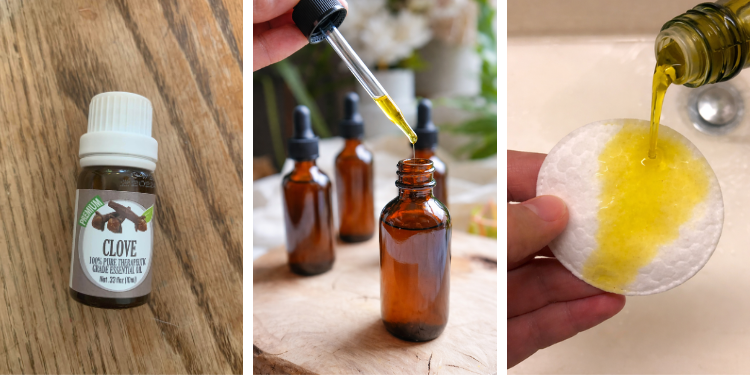
However, keeping your home clean, fresh, and free of pests doesn’t require a cabinet full of single-use products. In fact, a single bottle of pure clove essential oil (Syzygium aromaticum) can replace an array of commercial household solutions.
Derived from the steam-distilled flower buds of the tropical clove tree, clove oil owes its powerful properties to a single bioactive compound: eugenol.
Comprising up to 80–90% of the oil’s total composition, eugenol is a potent natural phenol known for its antifungal, antibacterial, antiviral, and insect-repelling abilities.
Here is a detailed breakdown of 7 common household problems you can easily tackle using a bottle of clove oil, along with the science behind why it works and practical step-by-step applications.
The Science of Clove Oil: Why Eugenol Works
Before diving into specific household uses, it helps to understand why clove oil is uniquely effective compared to other botanical oils:
-
Antifungal and Sporicidal Action: Unlike simple surface cleaners that merely wipe away visible mold growth, eugenol penetrates porous materials (like grout, wood, and drywall) to destroy fungal cell membranes and kill mold spores at the root level.
-
Aromatic Neurotoxicity to Pests: To insects like ants, mosquitoes, and silverfish, the high concentration of terpenes in clove oil disrupts octopamine receptors—a neuro-chemical mechanism essential for insect survival—making it an effective, natural repellent.
-
Phenolic Disinfection: Eugenol acts as a broad-spectrum antimicrobial agent, denaturing bacterial proteins and disrupting cell walls on household surfaces.
7 Household Problems Solved by Clove Oil
1. Eliminating Bathroom Mold at the Root
Bleach is the standard go-to for bathroom mildew, but bleach primarily bleaches the color out of surface mold while adding moisture that allows deep-seated spores inside porous grout to return days later. Clove oil actively kills the spores.
-
How to Use: Add 1/4 teaspoon (approx. 15–20 drops) of clove essential oil to 1 liter (approx. 4 cups) of warm water in a spray bottle. Shake vigorously. Spray directly onto tile grout, shower curtains, or silicone seals. Leave it untouched for 24 hours. The eugenol will kill the mold spores. Afterward, scrub away residual marks with a stiff brush and warm water.
2. Deterring House Ants and Crawling Pests
Ants leave invisible pheromone trails for their colony members to follow directly into your kitchen pantries and food cupboards. Clove oil completely neutralizes these scent tracks while acting as a natural repellent due to its pungent aroma.
-
How to Use: Mix 10 drops of clove oil with 1/2 cup of water and 1/2 cup of rubbing alcohol or white vinegar in a spray bottle. Spray along baseboards, entry thresholds, window sills, and cabinet corners. You can also dab a drop of undiluted clove oil onto a cotton ball and place it near suspected entry points.
3. Neutralizing Stubborn Trash Can and Drain Odors
Commercial air fresheners mask foul odors with synthetic perfumes. Clove oil targets odor-causing bacteria directly while leaving a warm, clean spice scent.
-
How to Use:
-
Trash Cans: Place 3 to 5 drops of clove oil onto a cotton ball and drop it into the bottom of your indoor garbage bin beneath the plastic liner.
-
Sink Drains: Pour 1/2 cup of baking soda down your kitchen or bathroom drain, followed by 5 drops of clove oil and 1 cup of warm white vinegar. Let it fizz for 15 minutes, then flush with hot water to break down organic buildup and clear sour drain odors.
-
4. Refreshing Musty Closets and Drawers
Closets, shoe cabinets, and basements often develop a heavy, stale odor due to stagnant air and micro-humidity. Clove oil offers a natural way to keep fabrics smelling crisp while deterring fabric-damaging moths and silverfish.
-
How to Use: Place a few raw terracotta tiles, wooden diffuser blocks, or cotton balls in closet corners or dresser drawers. Add 3 to 4 drops of clove oil to each block once every few weeks. The slow-release aromatic evaporation keeps enclosed spaces smelling clean naturally.
5. Cleaning and Deodorizing Wooden Cutting Boards
Wooden cutting boards can absorb moisture, food juices, and lingering smells from garlic, onions, or raw meats over time. Clove oil’s antibacterial nature makes it a great addition to routine kitchen maintenance.
-
How to Use: After washing your wooden board with warm water and mild soap, combine 2 tablespoons of food-grade mineral oil with 2 drops of clove essential oil. Rub the oil blend into the wood grain using a clean cloth. The mineral oil conditions the wood against cracking, while the clove oil sanitizes the surface and leaves a fresh scent.
6. Removing Sticky Label Residue and Gunk
Removing price tags, stickers, or adhesive labels from glass jars and new household items often leaves behind a sticky residue. The terpenes in clove oil act as a natural solvent that breaks down synthetic glues.
-
How to Use: Apply 1 or 2 drops of clove oil directly onto the sticky adhesive residue. Let it sit for 60 seconds to soften the glue matrix. Wipe the area with a dry paper towel or cloth—the residue will roll off smoothly without harsh scraping.
7. Temporary Emergency Relief for Tooth Sensitivity
While clove oil is primarily a household staple, its historical use as a topical oral anesthetic is backed by dental science. Eugenol temporary numbs local nerve endings in the mouth, providing short-term relief for a minor toothache while you wait for a dental appointment.
-
How to Use: Dilute 1 drop of clove oil in 4 or 5 drops of a food-safe carrier oil (like olive or coconut oil). Dip a clean cotton swab into the diluted mixture and dab it lightly against the sensitive tooth or gum area for temporary relief. (Note: Always seek professional dental evaluation for lingering tooth pain).
Quick-Reference Guide: Solutions & Ratios
| Household Issue | Clove Oil Dilution Ratio | Application Method | Expected Result |
| Grout Mold | 1/4 tsp oil per 1L water | Spray, leave 24 hrs, then scrub | Kills spores and prevents regrowth |
| Ant Barriers | 10 drops oil + 1/2 cup vinegar/water | Spray entryways & scent trails | Disrupts pheromones and repels pests |
| Sink Odors | 5 drops oil + 1/2 cup baking soda | Flush drain with hot water | Clears organic grease & neutralizes smells |
| Adhesive Gunk | 1–2 drops undiluted oil | Apply directly to glue, wait 1 min | Dissolves sticky synthetic adhesives |
| Musty Drawers | 3–4 drops on cotton/wood block | Place in corners of enclosed spaces | Freshens air and deters silverfish |
Safety and Storage Considerations
While clove oil is a natural alternative to synthetic chemicals, it is highly concentrated and requires careful handling:
Keeping a single bottle of clove essential oil in your cleaning kit gives you an easy, natural solution for everything from bathroom mold to sticky residues.
By replacing harsh synthetic chemicals with biological active compounds like eugenol, you can maintain a clean, fresh, and functional home naturally.