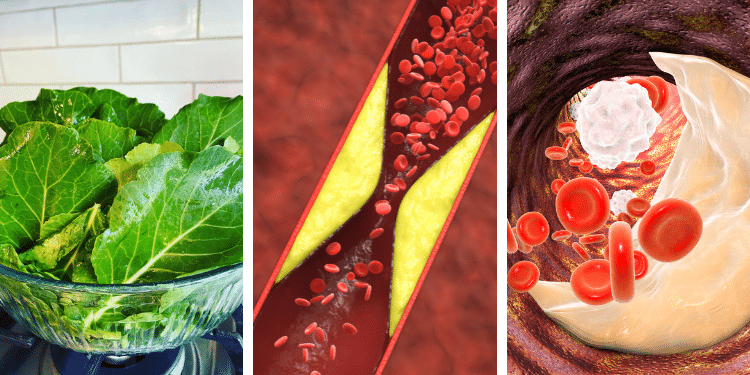
The human vascular network is an extraordinary feat of biological engineering. Spanning over 60,000 miles in a single adult, this intricate system of arteries, veins, and microscopic capillaries is responsible for delivering life-sustaining oxygen, nutrients, and immune cells to every single tissue in the body.
At the core of vascular health is a single, monolayer of cells known as the endothelium, which lines the entire interior surface of your blood vessels.
A healthy endothelium is highly elastic, smooth, and dynamic—constantly widening and narrowing to regulate blood pressure and ensure smooth blood flow.
However, poor diet, oxidative stress, and systemic inflammation can damage this delicate lining, leading to stiffening of the vessels (atherosclerosis) and restricted circulation.
Here is a scientifically grounded breakdown of 7 exceptional foods your blood vessels will thank you for eating.
The Nitric Oxide Engine: How Food Relaxes Your Vessels
To understand how specific foods protect your vascular system, you must look at the biochemical synthesis of nitric oxide.
Nitric oxide is a critical signaling molecule produced by endothelial cells that tells the surrounding smooth muscle tissue of your blood vessels to relax and expand.
When your body lacks the raw materials needed to produce nitric oxide, or when high levels of free radicals destroy the gas before it can be used, blood vessels remain constricted and rigid.
Incorporating foods rich in natural nitrates and highly bioavailable antioxidants creates a protective shield, keeping your vascular highway open, flexible, and resilient.
Vascular Health Baseline Metrics
Maintaining smooth, efficient circulation relies on keeping several key metabolic and physical baselines within an optimal physiological range:
| Vascular Marker | Target Standard | Circulatory Significance |
| Optimal Blood Pressure | Less than 120/80 mmHg | Indicates the physical force exerted against vessel walls per beat |
| Fasting Triglycerides | Below 150 mg/dL | Measures the volume of circulating fats that can thicken blood |
| High-Density Lipoprotein (HDL) | Above 60 mg/dL | Acts as a vascular scavenger, clearing excess cholesterol from vessel walls |
| Fasting Blood Glucose | 70 to 99 mg/dL | Prevents advanced glycation end-products from stiffening vessel tissue |
7 Foods That Support Elastic, Healthy Blood Vessels
1. Leafy Green Vegetables (Arugula, Spinach, and Lettuce)
Leafy green vegetables are the absolute best dietary source of organic, naturally occurring nitrates.
When you chew and swallow greens like peppery arugula or spinach, a specialized group of bacteria in your mouth converts those dietary nitrates into nitrites, which your body then transforms directly into nitric oxide.
This process triggers immediate vascular relaxation, easing pressure on your blood vessel walls and improving overall blood flow efficiency.
2. Wild-Caught Fatty Fish (Mackerel, Sardines, and Wild Salmon)
Fatty fish provide a concentrated, highly bioavailable dose of long-chain Omega-3 fatty acids, specifically EPA (eicosapentaenoic acid) and DHA (docosahexaenoic acid).
Omega-3 fatty acids are built right into the cellular membranes of your endothelial cells, making them more fluid and structurally resilient.
These essential fats actively suppress the production of inflammatory signaling molecules (cytokines), helping to keep blood moving smoothly and preventing the cellular stickiness that can lead to arterial plaque.
3. Citrus Fruits (Oranges, Grapefruits, and Lemons)
Citrus fruits are famous for their high Vitamin C content, but their real vascular superpower comes from a unique group of plant antioxidants called citrus flavonoids, such as hesperidin.
Citrus flavonoids serve as a direct chemical shield for the nitric oxide molecule, preventing it from being broken down by unstable free radicals.
Furthermore, Vitamin C is an absolute requirement for your body to synthesize collagen, the structural protein that gives blood vessels their physical strength and elasticity.
4. Pomegranates and Fresh Pomegranate Arils
Pomegranates contain an incredibly dense and unique concentration of polyphenols known as punicalagins.
Punicalagins are heavy-duty antioxidants that target the circulatory system. Clinical studies indicate that regular consumption of pomegranate polyphenols helps shield low-density lipoprotein (LDL) cholesterol from oxidizing.
Because only oxidized LDL can breach the endothelial wall and form hardened plaque, pomegranates play a vital role in keeping your vessel walls clean and smooth.
5. Walnuts
While all nuts offer healthy fats, walnuts stand out as the premier tree nut source of alpha-linolenic acid (ALA), an essential plant-based omega-3 fatty acid.
Walnuts contain a powerful combination of ALA, Vitamin E, and the amino acid L-arginine. Your body uses L-arginine as a direct building block to manufacture nitric oxide.
Enjoying a handful of walnuts has been shown to support endothelial function, allowing blood vessels to expand and contract smoothly even after a heavy meal.
6. Fermented Foods (Natto, Raw Kefir, and Traditional Kimchi)
Fermented foods are packed with beneficial probiotics and are an excellent source of Vitamin K2 (specifically the menaquinone-7 form), which is created by bacteria during the fermentation process.
Vitamin K2 acts as an automated traffic controller for calcium in your bloodstream. It activates a highly specialized protein called Matrix Gla Protein, which actively binds to loose calcium molecules and pulls them out of your blood vessel walls, directing them into your bones and teeth instead.
This prevents vascular calcification, keeping your pathways supple rather than stiff.
7. High-Flavanol Dark Chocolate (85%+ Cacao)
Pure, minimally processed cacao beans are loaded with bitter, health-supportive plant compounds known as flavanols.
Cacao flavanols act as a direct spark plug for an enzyme called endothelial nitric oxide synthase. This enzyme is the internal machine responsible for turning amino acids into nitric oxide.
To enjoy these vascular benefits without overloading your system with refined sugar, select dark chocolate with a cacao content of 85% or higher.
3 Daily Pillars to Maximize Vascular Suppleness
To complement a heart-healthy diet, adopt these three foundational lifestyle habits to keep your circulatory system running cleanly:
Maintaining clean, elastic, and free-flowing blood vessels is a foundational pillar of lifelong vitality and longevity.
Your cardiovascular network responds directly to the chemical inputs it receives every day.