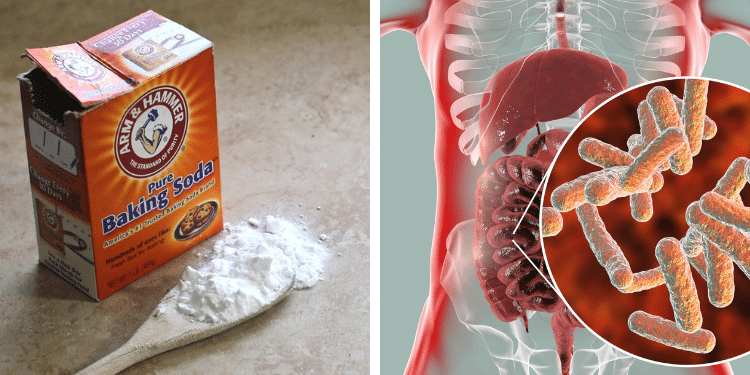
Sodium bicarbonate, universally known as baking soda, is one of the most chemically versatile compounds found in the modern home.
While most often relegated to a dark corner of the pantry to serve as a leavening agent for baked goods, this humble white powder possesses a unique molecular structure that allows it to solve an astonishing array of domestic, cosmetic, and garden challenges.
Unlike synthetic household chemicals that rely on harsh, corrosive compounds to clean or sanitize, baking soda operates via gentle, natural chemical reactions.
It acts as an incredibly effective pH buffer, a mild mechanical abrasive, and a powerful odor neutralizer—all while remaining entirely non-toxic and eco-friendly.
The Acid-Base Equilibrium: The Science of Baking Soda
To understand why baking soda is so effective across different applications, you must look at its behavior as an amphoteric compound.
This means that depending on the environment it is introduced to, sodium bicarbonate can act as either an acid or a base.
-
The pH Buffer Mechanism: Pure baking soda is mildly alkaline, hovering at a pH of approximately 8.3. When it comes into contact with acidic substances (such as the volatile fatty acids that cause body odor, sour refrigerator smells, or fungal spores on plant leaves), it acts as a base, neutralizing the acid and bringing the environment closer to a neutral pH of 7.
-
The Crystal Structure (Gentle Abrasive): On a microscopic level, baking soda crystals are monoclinic structures with sharp, crystalline edges. When mixed with a small amount of water, these crystals provide excellent physical scrubbing power to lift stuck-on grit, yet they retain a low structural hardness that prevents them from scratching delicate glass, porcelain, or tooth enamel.
-
The Carbon Dioxide Release: When exposed to an acid (like vinegar or lemon juice) or subjected to high heat, baking soda undergoes a rapid chemical decomposition that releases carbon dioxide gas. This bubbling reaction provides the mechanical lifting power needed to clear clogged drains and break apart baked-on grease.
Baking Soda Chemical Profile Matrix
| Feature | Technical Specification | Functional Everyday Impact |
| Chemical Formula | (Sodium Bicarbonate) | Soluble salt that breaks down safely into sodium and bicarbonate ions |
| pH Baseline | Approximately 8.3 (Mildly Alkaline) | Efficiently neutralizes stubborn organic acids and sour odors |
| Crystalline Hardness | 2.5 on the Mohs Scale | Provides a gentle abrasive scrub without scratching smooth surfaces |
| Primary Reactivity | Releases Carbon Dioxide when mixed with acid | Creates a bubbling effervescence that lifts deeply embedded dirt |
10 Surprising and Practical Uses for Baking Soda
1. Removing Stubborn Pesticides from Fresh Produce
Washing fresh apples, berries, and leafy greens under a running tap clears away loose dirt, but it often fails to remove oil-based synthetic pesticides and waxes designed to resist rain.
-
The Science: Analytical chemistry studies have demonstrated that an alkaline baking soda soak is one of the most effective ways to break down pesticide residues.
-
The Application: Dissolve 1 teaspoon of baking soda into 2 cups of cool water. Submerge your fresh fruits or vegetables in the mixture and let them soak for 12 to 15 minutes. Finish with a quick rinse under cold running water to enjoy clean, residue-free produce.
2. Eliminating Stubborn Carpet and Rug Odors
Heavy fabric fibers like wool and nylon easily trap airborne odors from cooking, tobacco smoke, and pets, which standard vacuuming can’t remove.
-
The Science: Rather than using synthetic aerosol sprays that simply mask bad smells with strong fragrances, baking soda sinks deep into fabric fibers to neutralize the acidic moisture and volatile organic compounds causing the odor.
-
The Application: Sprinkle a thin, even layer of pure baking soda across your carpets or rugs. Let the powder sit undisturbed for at least 30 to 60 minutes (or overnight for deep pet odors) to fully absorb the smells, then vacuum the area thoroughly.
3. Safely Cleaning Baked-On Oven and Cookware Grease
Over time, cooking oils and food spills bake onto oven walls, baking sheets, and cast-iron skillets, forming a hardened, carbonized crust that resists standard dish soap.
-
The Science: Because baking soda is mildly alkaline, it helps break down and emulsify hardened, acidic grease fats into a soluble soap-like compound that easily wipes away.
-
The Application: Mix 3 parts baking soda with 1 part water to create a thick, spreadable paste. Coat the greasy surfaces with the paste and let it sit for 2 to 3 hours. Spritz the area lightly with white vinegar to trigger a bubbling reaction, then wipe the softened grease away with a damp sponge.
4. Revitalizing Musty Refrigerators and Freezers
Enclosed, humid environments like refrigerators easily trap food odors, which can transfer to fresh milk, butter, and open leftovers.
-
The Science: Odor molecules given off by spoiling food or pungent ingredients are typically highly acidic or strongly alkaline. A box of baking soda acts as a continuous, passive chemical filter, drawing these airborne molecules into its porous structure and locking them away.
-
The Application: Open a fresh box of baking soda and place it on a middle shelf near the back of your refrigerator. Replace the box every 3 months to keep your fridge smelling clean and fresh.
5. Brightening and Deep-Cleaning Laundry Loads
Hard municipal tap water is often rich in minerals like calcium and magnesium, which can prevent liquid laundry detergents from fully sudsing up, leaving clothes looking dull and gray.
-
The Science: Adding baking soda to your laundry temporarily softens the wash water by binding to these dissolved minerals. This allows your regular detergent to work much more effectively, lifting embedded dirt and brightening whites and colors.
-
The Application: Add half a cup of baking soda directly into your washing machine drum along with your clothes, then add your regular detergent and run the cycle as usual.
6. Neutralizing Foot Odor in Shoes
Shoes worn daily quickly accumulate sweat and moisture, creating an ideal environment for odor-causing bacteria to thrive and produce pungent, acidic byproducts.
-
The Science: Baking soda acts as a powerful desiccant and chemical buffer, drawing dampness out of the shoe liner while neutralizing the acidic bacterial byproducts that cause bad odors.
-
The Application: Pour 1 to 2 tablespoons of baking soda directly into the insoles of your shoes after wearing them. Shake the shoes to distribute the powder evenly, let them sit overnight, and tap the loose powder out into the trash the next morning.
7. Creating a Non-Toxic Preventative Garden Fungicide
Vegetable crops like cucumbers, zucchini, and tomatoes are highly vulnerable to Powdery Mildew—a destructive fungal infection that coats leaves in a fuzzy white layer and blocks out sunlight.
-
The Science: Spritzing leaves with a mild baking soda solution raises the surface pH up to an alkaline 8.3. This change creates an incredibly hostile environment for airborne fungal spores, stopping them from taking root.
-
The Application: Mix 1 tablespoon of baking soda and 1 teaspoon of liquid castile soap into 1 gallon of water. Spray this mixture lightly over your vegetable leaves early in the morning once every two weeks during warm, humid weather.
8. Refreshing Stale, Slow-Moving Drains
Kitchen and bathroom sinks often accumulate hair, soap scum, and decaying organic matter, which can slow down water flow and create foul odors.
9. Safely Removing Sticky Adhesive Residue
Removing price tags, stickers, or tape often leaves behind a stubborn, sticky adhesive layer that catches dirt and resists standard scrubbing.
-
The Science: Combining baking soda with a natural oil creates a gentle, dual-action scrub. The oil penetrates and softens the sticky synthetic glue, while the fine baking soda crystals lift the adhesive without scratching the underlying surface.
-
The Application: Mix equal parts baking soda and coconut oil to form a smooth paste. Dab the paste onto the sticky spot, let it sit for 5 to 10 minutes, and scrub gently with a cloth to lift the residue completely.
10. Deodorizing and Refreshing Pet Bedding
Pet beds and fabric crates absorb oils, dander, and moisture from your pets’ fur over time, creating a distinct, musty odor that regular washing doesn’t always completely eliminate.
-
The Science: The organic oils left behind by your pet’s coat are mildly acidic. A dry baking soda treatment draws out these embedded oils and neutralizes their odor molecules without introducing synthetic fragrances that might irritate your pet’s sensitive nose.
-
The Application: Generously sprinkle baking soda over your pet’s dry mattress pillow or fabric bedding. Let the powder sit for 2 hours to fully draw out the oils and moisture, then vacuum the bedding thoroughly using a high-powered upholstery attachment.
Baking soda is a brilliant reminder that highly effective home care doesn’t require an array of expensive, specialized chemical products.
By understanding how its mild alkalinity, crystalline structure, and buffering capabilities work, you can use this non-toxic pantry staple to tackle everyday cleaning, deodorizing, and gardening tasks safely and sustainably.