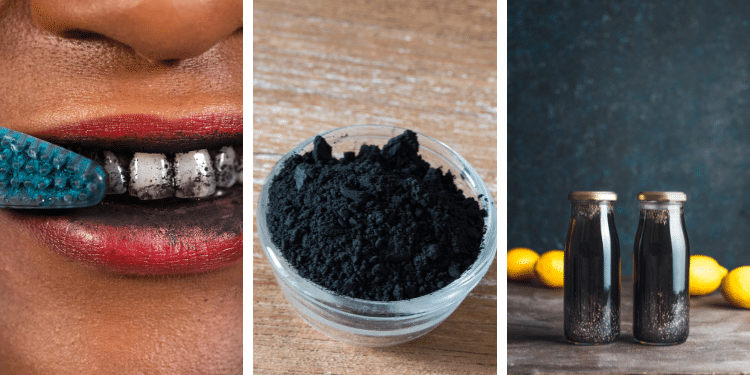
Activated charcoal has surged in popularity across the wellness, cosmetic, and domestic care industries.
Once confined to emergency medical departments and industrial filtration systems, this jet-black powder is now a staple ingredient in everything from water pitchers and air purifiers to whitening toothpastes, detoxifying facial masks, and dietary supplements.
However, amidst the marketing noise surrounding “black magic” wellness trends, it is crucial to separate anecdotal claims from clinical fact.
Activated charcoal is not an all-purpose cure-all, but rather a highly specialized, porous material with precise chemical behaviors.
When utilized correctly, its unique structural properties offer significant, evidence-based benefits for health, hygiene, and home maintenance.
The Science of Adsorption: How Activated Charcoal Works
To understand the efficacy of activated charcoal, one must first grasp the distinct physical process of adsorption – which is fundamentally different from absorption.
Activated charcoal is typically manufactured from carbon-rich materials such as coconut shells, peat, sawdust, or olive pits.
This raw carbon is subjected to an activation process involving extreme temperatures (ranging from 1,100°F to 1,800°F) combined with gases like oxygen, steam, or carbon dioxide.
This thermal treatment burns away internal impurities, creating a vast, interlocking network of microscopic pores and cavities.
On a molecular level, this porous grid carries a negative electrical charge. Many toxins, heavy metals, gases, and chemical compounds possess a positive charge. When these opposing forces meet, the positively charged toxins are drawn to the negatively charged charcoal grid via Van der Waals forces.
The toxins bind tightly to the surface of the charcoal and are held there securely, preventing them from being absorbed by the surrounding environment.
Activated Charcoal Profile Matrix
| Attribute | Technical Specification | Functional Impact |
| Primary Mechanism | Surface Adsorption (Electrical Bonding) | Traps positively charged particles within a porous carbon grid |
| Common Source Material | Organic Coconut Shells, Hardwoods, Peat | Dictates the macro- and micro-pore distribution sizes |
| Electrical Charge | Negative Value | Attracts and binds positively charged molecular toxins |
| Primary Medical Use | Acute Poisoning and Overdose Management | Binds toxins in the GI tract before systemic absorption occurs |
10 Popular Uses and Benefits of Activated Charcoal
1. Emergency Poison and Overdose Management
The most critical, scientifically validated application of activated charcoal is its use as an emergency gastrointestinal decontaminant.
For decades, it has served as a frontline intervention in medical centers for specific oral poisonings and drug overdoses.
-
The Clinical Mechanism: When administered by medical professionals within one hour of ingestion, activated charcoal binds to the swallowed toxins inside the stomach and intestines. Because the human body cannot digest or absorb carbon, the charcoal passes completely through the digestive tract, safely carrying the trapped poisons out of the body before they can enter the bloodstream.
-
The Limitations: Activated charcoal is highly effective against compounds like acetaminophen, aspirin, sedatives, and cyclic antidepressants. However, it does not bind to corrosive acids, alkalis, iron, lithium, petroleum distillates, or alcohol.
2. Advanced Water Filtration and Purification
Long before it became popular in health stores, activated charcoal was used to clean drinking water. Today, it remains a central component in modern countertop water pitchers, under-sink filtration systems, and outdoor survival gear.
-
The Home Benefit: Municipal tap water often contains chlorine, volatile organic compounds (VOCs), sediment, and trace pharmaceutical residues that alter its taste and smell. As water flows through an activated carbon block filter, these chemical impurities are trapped inside the carbon pores, leaving behind clean, fresh-tasting water.
3. Natural Odor and Moisture Adsorption
Unlike synthetic aerosol air fresheners that simply mask bad smells with heavy artificial perfumes, activated charcoal actively sanitizes the air by removing odor molecules at the source.
-
The Home Benefit: Airborne odors caused by pet dander, cooking, tobacco smoke, and damp mold are typically volatile organic compounds. Placing breathable linen bags filled with granular activated charcoal in enclosed spaces—such as closets, refrigerators, gym bags, or musty basements—creates a continuous, passive air filter that pulls odors and excess moisture right out of the air.
4. Teeth Whitening and Oral Stain Removal
Activated charcoal powder has become a very popular natural ingredient in mainstream oral care for lifting surface stains and brightening smiles.
-
The Dental Mechanism: The porous carbon particles bind to dark surface stains left behind by coffee, red wine, tea, and dark berries. By gently brushing with a charcoal-infused toothpaste, you can lift these surface discolorations without relying on harsh chemical bleaching agents.
-
A Word of Caution: Raw, unrefined activated charcoal powder can be highly abrasive. To protect your protective tooth enamel from wearing away over time, use finely milled charcoal toothpastes that meet professional dental safety standards.
5. Skin Clarification and Deep Pore Detoxification
In the cosmetic industry, activated charcoal is frequently formulated into facial masks, body scrubs, and daily cleansers designed for oily or acne-prone skin.
-
The Cosmetic Mechanism: Throughout the day, your skin pores accumulate excess sebum (oil), environmental pollutants, dead skin cells, and bacteria. When applied as a topical mask, activated charcoal acts like a micro-vacuum, drawing embedded dirt and oils out of the pores to help prevent blackheads and breakouts.
6. Reduction of Intestinal Gas and Flatulence
For individuals dealing with chronic bloating or functional abdominal discomfort, activated charcoal capsules are a common natural option for digestive support.
-
The Digestive Mechanism: Intestinal gas is generated when colonic bacteria break down certain carbohydrates during digestion. Clinical studies indicate that taking activated charcoal shortly before and after a meal can bind to gas-producing byproducts in the digestive tract, significantly reducing the severity of bloating and flatulence.
7. Gentle Relief for Bug Bites and Bee Stings
When applied topically to the skin, activated charcoal can provide quick, soothing relief from the localized inflammation and itching caused by insect bites and stings.
-
The Topical Application: Mix one capsule of activated charcoal powder with half a teaspoon of organic coconut oil or aloe vera gel to create a smooth, black paste. Dab this mixture directly onto a mosquito bite, bee sting, or wasp welt. The carbon helps draw out the irritating insect saliva or venom from the surface of the skin, reducing localized swelling and throbbing.
8. Preservation of Fresh Fruits and Vegetables
Ethylene gas is a natural plant hormone released by fruits and vegetables as they ripen. In enclosed spaces like a refrigerator crisper drawer, the buildup of ethylene gas causes produce to spoil, soften, and rot prematurely.
-
The Kitchen Hack: Place a small, breathable sachet of activated charcoal inside your refrigerator’s produce drawer. The carbon grid continuously adsorbs the airborne ethylene gas, extending the shelf-life of your fresh berries, leafy greens, and avocados.
9. Soil Decontamination and Root Protection
In organic horticulture, activated charcoal (frequently referred to as biochar) is an excellent soil amendment for restoring contaminated garden plots and protecting delicate root zones.
-
The Garden Benefit: If a garden plot has been exposed to synthetic chemical runoff, accidental herbicide drift, or persistent industrial pollutants, mixing granular activated charcoal into the topsoil helps isolate the toxins. The carbon permanently traps the chemical pollutants, preventing vegetable roots from absorbing them and keeping your homegrown food clean and safe.
10. Terrarium and Container Garden Stabilization
Closed glass terrariums and indoor planters without drainage holes are highly vulnerable to stagnant water, which can lead to root rot and sour, anaerobic soil odors.
Critical Safety and Interaction Protocols
Because activated charcoal is such a powerful binding agent, it must be used with caution and respect. Using it incorrectly can lead to unintended health complications.
1. Prescription Medication Interactions
Activated charcoal does not distinguish between harmful toxins and beneficial compounds. If you take oral medications—such as thyroid prescriptions, blood pressure controllers, birth control pills, or daily vitamins—activated charcoal can bind to those medications inside your digestive tract, rendering them completely ineffective.
-
The Golden Rule: Always wait a minimum of two hours before or two hours after taking any oral prescription medication before consuming activated charcoal supplements. Always consult your primary healthcare physician before adding charcoal to your daily routine.
2. Dehydration and Gastrointestinal Transit Risks
Activated charcoal can absorb significant amounts of water as it moves through your digestive system, which can cause slow digestion and severe constipation if you aren’t drinking enough fluids.
-
The Corrective Strategy: Whenever you take activated charcoal capsules or tablets, drink a full $12\text{ oz}$ glass of pure water immediately, and maintain high hydration levels throughout the rest of the day.
3. Chronic Use and Nutritional Depletion
Activated charcoal should never be viewed as a daily dietary supplement.
Activated charcoal is a remarkably useful material, provided its actions are properly understood.
Its ability to adsorb chemicals makes it an invaluable tool for filtering water, cleaning the air, supporting emergency medicine, and maintaining a healthy garden.