Finding a ground cover that is both beautiful and practical can completely transform a garden.
Many gardeners want something that spreads naturally, suppresses weeds, survives heat and drought, and still looks attractive throughout the growing season.
Even better is finding a plant that also supports bees, butterflies, and other pollinators.
That is exactly why creeping thyme has become one of the most loved low-maintenance ground covers in modern gardens.
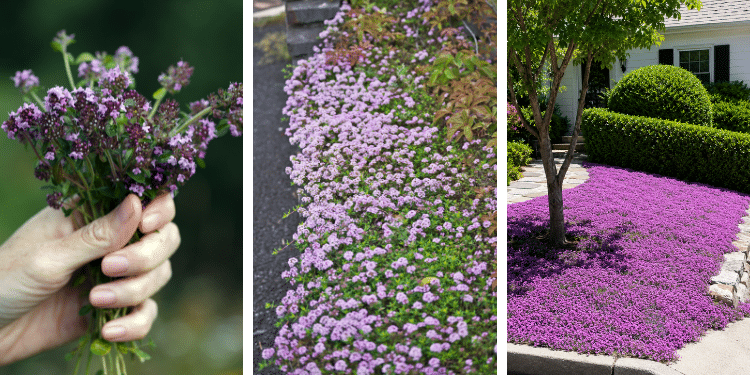
Creeping thyme is a hardy, fragrant, spreading herb that forms dense mats of tiny leaves and colorful flowers. During bloom, entire sections of the garden can become covered in soft pink, lavender, or purple flowers buzzing with pollinator activity.
Unlike high-maintenance lawns or delicate flowering plants, creeping thyme thrives with surprisingly little care once established.
It tolerates drought, poor soil, heat, rocky conditions, and even light foot traffic, making it one of the most versatile ground covers available.
Here’s why so many gardeners are replacing traditional grass and bare soil with creeping thyme — and how to grow it successfully.
What Is Creeping Thyme?
Creeping thyme is a low-growing perennial herb from the Thymus genus.
Unlike upright culinary thyme varieties, creeping thyme spreads horizontally across the soil surface, forming a soft carpet-like layer of foliage.
Depending on the variety, the plant may grow only:
- 1–4 inches tall
while gradually spreading outward over time.
During late spring and summer, the foliage becomes covered with tiny flowers that attract huge numbers of pollinators.
The leaves release a pleasant herbal fragrance whenever stepped on or brushed against.
Why Creeping Thyme Has Become So Popular
Modern gardeners increasingly want plants that:
- Require less water
- Need less mowing
- Support pollinators
- Tolerate climate extremes
- Reduce maintenance
Creeping thyme fits perfectly into this style of gardening.
Once established, it requires:
- Very little watering
- Minimal trimming
- Almost no fertilizer
- Very little maintenance overall
while still creating a lush decorative appearance.
A Ground Cover That Helps Suppress Weeds
One reason creeping thyme works so well as a ground cover is its dense spreading growth habit.
As the plant matures, it forms thick mats of foliage that help shade the soil surface. This makes it harder for many weeds to establish and compete.
Bare soil almost always invites weeds.
Ground covers like creeping thyme naturally help reduce weed pressure by:
- Blocking sunlight from reaching weed seeds
- Occupying open growing space
- Creating dense root systems
This helps reduce the need for constant weeding over time.
Why Pollinators Love Creeping Thyme
When creeping thyme blooms, it becomes one of the busiest pollinator plants in the garden.
The small flowers produce nectar that attracts:
- Bees
- Butterflies
- Hoverflies
- Beneficial insects
Honeybees especially are strongly attracted to thyme flowers.
Because the blooms are small but produced in huge numbers, creeping thyme provides an abundant food source during flowering season.
Supporting pollinators has become increasingly important as many bee populations face environmental pressure and habitat loss.
The Importance of Pollinator-Friendly Gardens
Pollinators help support:
- Vegetable gardens
- Fruit production
- Seed formation
- Ecosystem health
Without pollinators, many plants would struggle to reproduce efficiently.
Adding flowering ground covers like creeping thyme helps create a more biologically active and supportive garden environment.
Creeping Thyme Handles Drought Extremely Well
One of creeping thyme’s biggest advantages is its drought tolerance.
Its small leaves and Mediterranean origins help it conserve moisture very efficiently.
Once established, creeping thyme often survives on rainfall alone in many climates.
This makes it ideal for:
- Dry gardens
- Rock gardens
- Hot climates
- Water-wise landscaping
- Xeriscaping
Compared to thirsty lawns, creeping thyme may require dramatically less irrigation.
Why Mediterranean Herbs Thrive in Tough Conditions
Plants from Mediterranean regions evolved in:
- Dry summers
- Rocky soil
- Intense sunlight
- Low fertility conditions
Because of this, herbs like thyme often perform best in:
- Lean soil
- Full sun
- Well-draining areas
Too much water or overly rich soil may actually weaken the plant.
It Creates a Soft Carpet-Like Appearance
As creeping thyme spreads, it creates a soft textured surface that adds beauty and movement to the landscape.
Many gardeners use it:
- Between stepping stones
- Along pathways
- In rock gardens
- Around patios
- Near borders
The low-growing foliage softens hard edges in the garden while filling empty spaces naturally.
Some varieties can even tolerate light foot traffic.
Walking across thyme releases its aromatic oils into the air, creating a pleasant herbal fragrance.
Creeping Thyme Requires Very Little Mowing
Unlike traditional grass lawns that require constant mowing, creeping thyme stays naturally short.
Most varieties rarely exceed a few inches in height.
This makes it appealing for gardeners looking to:
- Reduce lawn maintenance
- Lower water use
- Create eco-friendly landscapes
- Replace difficult grassy areas
Although it may not replace high-traffic lawns completely, it works beautifully in decorative or lightly walked spaces.
The Flowers Add Long Seasonal Interest
Creeping thyme is attractive even before flowering because of its tiny textured foliage.
But once blooming begins, entire sections of the plant may turn pink, purple, or lavender almost overnight.
The flowers can last for weeks depending on weather and variety.
Popular flowering varieties include:
- Red Creeping Thyme
- Elfin Thyme
- Woolly Thyme
- Mother of Thyme
Each offers slightly different textures, flower colors, and growth habits.
How to Grow Creeping Thyme Successfully
Creeping thyme grows best in:
- Full sun
- Well-draining soil
- Areas with good airflow
Too much shade may reduce flowering and make the plant thinner.
Poor drainage is one of the few things creeping thyme truly dislikes because overly wet soil may lead to root problems.
Young plants need watering while establishing, but mature plants become much more drought tolerant.
Why Good Drainage Matters
Thyme roots prefer oxygen-rich soil.
Wet compacted soil may:
- Reduce airflow around roots
- Encourage fungal problems
- Cause root stress
Adding sand or gravel to heavy soil often improves drainage significantly.
Creeping Thyme in Rock Gardens
Creeping thyme performs exceptionally well in rock gardens because it naturally spills between stones and gravel.
The plant’s low-growing habit softens rocky landscapes while adding:
- Color
- Fragrance
- Pollinator activity
Its drought tolerance also makes it ideal for areas with reflected heat from stone surfaces.
It Helps Reduce Soil Erosion
Dense ground covers help stabilize soil.
Creeping thyme’s spreading root system may help reduce:
- Soil erosion
- Runoff
- Soil exposure on slopes
This makes it useful for sunny hillsides and sloped garden areas.
Low Fertility Is Often Better
Many gardeners mistakenly overfertilize thyme.
Rich soil may encourage excessive leafy growth but fewer flowers.
Creeping thyme often performs best in leaner soil where it focuses more energy on flowering and compact growth.
Does Creeping Thyme Attract Bees Constantly?
During bloom, yes.
The flowers are highly attractive to bees because they produce nectar in large quantities relative to their size.
Gardens planted with creeping thyme often become noticeably more active with pollinators during flowering periods.
Creeping thyme is one of the most useful low-maintenance ground covers available for modern gardens.
It combines:
- Drought tolerance
- Weed suppression
- Pollinator support
- Fragrance
- Long-lasting beauty
into one hardy spreading plant.
Whether planted between stepping stones, along borders, in rock gardens, or as part of a lawn alternative, creeping thyme creates a softer, more natural landscape while supporting bees and beneficial insects at the same time.