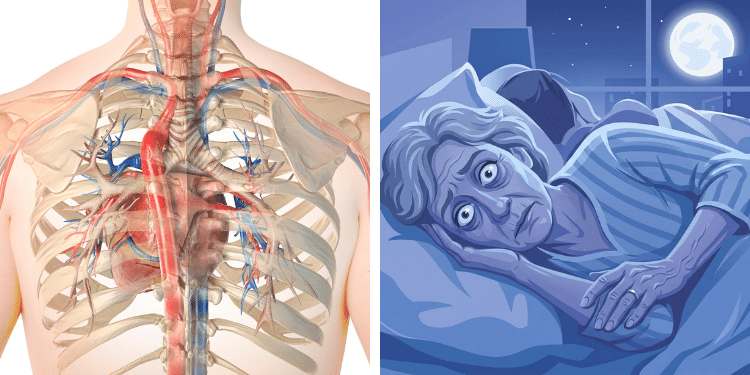
Heart disease remains one of the leading health concerns worldwide, yet many of the daily habits that influence heart health are surprisingly common.
The heart works continuously every second of the day, pumping blood, delivering oxygen, and supporting every organ in the body. Because it works so consistently, the effects of lifestyle choices often build quietly over time.
Cardiologists frequently emphasize that heart health is not shaped by one meal or one bad day—it is influenced by repeated patterns involving movement, sleep, stress, nutrition, hydration, and metabolic balance.
The encouraging news is that even small changes in daily habits may help support cardiovascular wellness significantly over time.
Here are seven common habits cardiologists often warn about, why they may affect the heart, and healthier alternatives that may better support long-term cardiovascular health.
1. Sitting for Long Periods Without Movement
Modern lifestyles often involve hours of sitting:
- At desks
- In cars
- On couches
- In front of screens
Unfortunately, long periods of inactivity may affect circulation, metabolism, and cardiovascular efficiency over time.
Even people who exercise regularly may still experience negative effects if the rest of the day is mostly sedentary.
Reduced movement may contribute to:
- Poor circulation
- Slower metabolism
- Blood sugar imbalance
- Increased cardiovascular strain
What to Do Instead
Cardiologists often encourage frequent movement throughout the day rather than relying only on one workout session.
Simple changes may help:
- Standing periodically
- Taking short walks
- Stretching every hour
- Using stairs more often
Consistent daily movement supports circulation and helps the heart work more efficiently.
Why Movement Matters So Much
Physical activity helps:
- Strengthen the heart muscle
- Improve blood vessel flexibility
- Support blood pressure balance
- Improve oxygen delivery
The heart responds positively to regular activity because it becomes more efficient over time.
2. Eating Excessively Processed Foods
Highly processed foods are often rich in:
- Added sugars
- Refined carbohydrates
- Excess sodium
- Artificial additives
- Unhealthy fats
These foods may contribute to inflammation, metabolic imbalance, and elevated cardiovascular risk factors when consumed frequently over time.
Many processed foods are also calorie-dense but nutrient-poor, which may affect overall metabolic health.
What to Do Instead
Cardiologists generally encourage diets centered around:
- Vegetables
- Fruits
- Whole grains
- Nuts and seeds
- Healthy fats like olive oil
- Lean protein sources
Whole foods provide fiber, antioxidants, minerals, and nutrients that help support cardiovascular function naturally.
3. Chronic Poor Sleep
Sleep is deeply connected to heart health.
During sleep, the body regulates:
- Stress hormones
- Blood pressure
- Inflammation
- Recovery processes
Poor sleep or inconsistent sleep schedules may increase strain on the cardiovascular system over time.
People who regularly sleep too little may experience:
- Higher stress hormone levels
- Increased inflammation
- Blood pressure disruption
- Greater metabolic imbalance
What to Do Instead
Improving sleep habits may support both heart health and overall wellness.
Helpful habits include:
- Keeping consistent sleep schedules
- Reducing late-night screen exposure
- Creating a cooler, darker sleep environment
- Limiting caffeine late in the day
The heart benefits greatly from restorative sleep.
4. Ignoring Chronic Stress
Stress affects the cardiovascular system more than many people realize.
When stress becomes chronic, the body remains in a prolonged “fight-or-flight” state, increasing:
- Cortisol
- Adrenaline
- Blood pressure
- Heart rate
Over time, this ongoing stress response may place extra strain on the heart and blood vessels.
What to Do Instead
Cardiologists increasingly emphasize stress management as part of heart care.
Helpful approaches may include:
- Walking outdoors
- Deep breathing exercises
- Meditation
- Gardening
- Social connection
- Reducing overstimulation
Even small calming habits may help regulate the nervous system over time.
Why Emotional Health Affects the Heart
The nervous system and cardiovascular system are closely connected.
Emotional stress affects:
- Heart rhythm
- Blood vessel tension
- Hormonal signaling
- Sleep quality
This is why mental wellness often influences physical heart health directly.
5. Excess Sugar Intake
Consistently high sugar intake may contribute to:
- Weight gain
- Insulin resistance
- Inflammation
- Elevated triglycerides
These changes may increase cardiovascular risk over time.
Sugary beverages are especially important because they deliver large amounts of sugar rapidly without creating strong feelings of fullness.
What to Do Instead
Reducing added sugar gradually often works better than extreme restriction.
Cardiologists commonly recommend:
- More water
- Whole fruit instead of sugary snacks
- Less soda and energy drinks
- Balanced meals with fiber and protein
Small sustainable changes tend to be more effective long-term.
6. Smoking and Excessive Alcohol Intake
Smoking directly affects blood vessels, circulation, and oxygen delivery.
Meanwhile, excessive alcohol intake may contribute to:
- Blood pressure elevation
- Heart rhythm disturbances
- Liver stress
- Metabolic imbalance
These habits significantly increase strain on the cardiovascular system over time.
What to Do Instead
Reducing or eliminating smoking remains one of the most important cardiovascular improvements a person can make.
For alcohol, moderation matters greatly.
Healthier alternatives may include:
- Sparkling water
- Herbal teas
- Non-alcoholic beverages
- Outdoor relaxation activities instead of stress drinking
7. Ignoring Early Warning Signs
Many people dismiss early symptoms because they seem mild or temporary.
Possible warning signs may include:
- Shortness of breath
- Unusual fatigue
- Chest discomfort
- Swelling in the legs
- Dizziness
- Irregular heartbeat sensations
Not all symptoms indicate heart disease, but persistent changes should never be ignored.
What to Do Instead
Regular medical checkups help identify issues early.
Monitoring:
- Blood pressure
- Cholesterol
- Blood sugar
- Weight changes
can help people understand their cardiovascular risk profile sooner rather than later.
Prevention is often far easier than treating advanced disease.
Why Small Daily Habits Matter Most
Heart health is shaped gradually.
The biggest improvements often come not from extreme short-term efforts, but from small habits repeated consistently over months and years.
Examples include:
- Walking daily
- Sleeping better
- Eating more whole foods
- Managing stress
- Staying hydrated
These simple patterns support the heart continuously over time.
The Heart Responds Positively to Lifestyle Changes
One encouraging aspect of cardiovascular health is that the body often responds surprisingly well to supportive changes.
Even modest improvements in:
- Activity
- Nutrition
- Sleep
- Stress management
may positively influence blood pressure, circulation, and metabolic balance.
The heart is remarkably resilient when supported properly.
Cardiologists consistently emphasize that heart health is not controlled by one single factor.
It is shaped by the combined effect of daily habits, stress levels, sleep quality, movement, nutrition, and long-term lifestyle patterns.