In the intersection of botanical alchemy and functional home chemistry, few combinations are as unexpectedly potent as Bay Leaves (Laurus nobilis) and Baking Soda (Sodium Bicarbonate).
While one is an aromatic herb prized for its deep, woodsy flavor in culinary circles, and the other is a versatile alkaline mineral, their synergy creates a powerful tool for home maintenance, pest control, and even personal wellness.
Thousands of households are turning away from synthetic aerosols and harsh chemical cleaners in favor of this duo.
The secret lies in the interaction between the essential oils of the bay leaf – specifically eucalyptol and linalool – and the pH-neutralizing properties of baking soda.
1. The Natural “Pest Barrier” for Pantries and Closets
The most common reason people mix bay leaves with baking soda is to create a non-toxic deterrent for common household pests like flour beetles (weevils), ants, and silverfish.
-
The Chemistry: Bay leaves contain eucalyptol, a natural insect repellent that disrupts the sensory receptors of many crawling insects. Baking soda acts as a “desiccant” and odor neutralizer that eliminates the pheromone trails insects use to navigate.
-
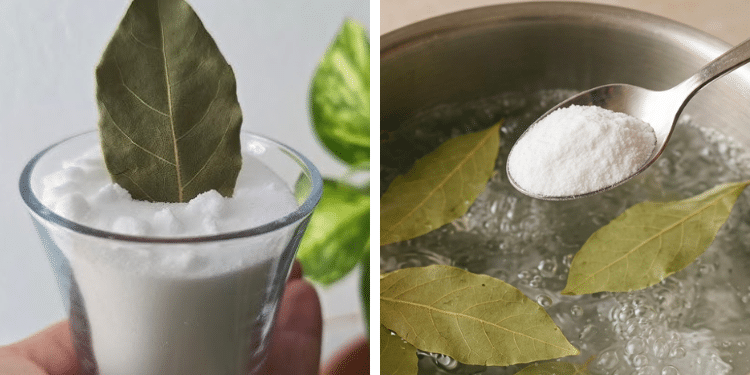
The Method: Crush dried bay leaves into a powder and mix them with equal parts baking soda.
-
The Result: Placing small sachets or shallow dishes of this mixture in the corners of your pantry or under the sink creates a biological “no-fly zone.” It is a safe alternative to mothballs or chemical sprays, especially in areas where food is stored.
2. Atmospheric Deodorization and “Scent Scrubbing”
Unlike commercial air fresheners that mask odors with heavy perfumes, the bay leaf and baking soda duo works through chemical neutralization.
-
The Mechanism: Baking soda is an amphoteric substance, meaning it reacts with both acidic and basic odor molecules to turn them into neutral, odorless salts. When you add bay leaves, the baking soda “anchors” the aromatic oils, allowing for a slow, consistent release of a clean, herbal scent.
-
The Action: Mix 1 cup of baking soda with 5 finely crushed bay leaves in a glass jar with a perforated lid.
-
The Benefit: This is particularly effective in “high-odor” zones like near cat litter boxes, in shoe closets, or inside the refrigerator. It “scrubs” the air of biological odors while providing a light, stress-reducing aromatic undertone.
3. Deep-Cleaning “Biological” Stains on Carpets and Rugs
If you have pets or children, you likely deal with organic stains and odors that seem to linger in the fibers of your carpets.
-
The Synergy: Baking soda lifts moisture and proteins from the carpet fibers, while the antimicrobial properties of the bay leaf oils help prevent the growth of odor-causing bacteria.
-
The Method: Sprinkle a mixture of baking soda and powdered bay leaves over the affected area. Let it sit for at least 30 minutes (or overnight for deep odors) before vacuuming.
-
The Result: Not only does the carpet look cleaner, but the bay leaf oils leave behind a subtle “forest-fresh” scent that is naturally calming and far more sophisticated than synthetic “mountain breeze” fragrances.
4. Foot Health: Neutralizing Acid and Fungus
Following our discussions on Epsom salt and baking soda foot soaks, adding bay leaves to the equation introduces an extra layer of antimicrobial protection.
-
The Mechanism: As we’ve established, baking soda balances the pH of the feet. Bay leaves are rich in tannins and parthenolide, which have documented antifungal and anti-inflammatory properties.
-
The Action: Add 2 tablespoons of baking soda and 3–4 whole bay leaves to a basin of warm water.
-
The Result: This “dual-action” soak is excellent for those dealing with persistent foot odor or the early signs of athlete’s foot. The baking soda neutralizes the acidic sweat, while the bay leaf infusion helps “tighten” the skin tissue and soothe minor irritations.
5. Refrigerator “Longevity” and Mold Prevention
A refrigerator is a closed environment where ethylene gas (which causes fruit to ripen and rot) and moisture can accumulate.
-
The Action: Place a small bowl of baking soda with two bay leaves tucked inside on the middle shelf of your fridge.
-
Why It Works: The baking soda absorbs excess moisture and ethylene gas, while the bay leaves act as a mild antifungal agent, helping to prevent the “musty” smell that can develop in crisper drawers.
-
The Benefit: This simple trick can extend the life of your produce by 20–30%, reducing food waste and saving money.
6. The “Sleep Sanctuary” Mattress Refresh
We spend a third of our lives on our mattresses, where moisture and skin cells accumulate over time.
-
The Action: Once a month, when you change your sheets, lightly dust the mattress with a mixture of baking soda and bay leaf powder. Let it sit for an hour, then vacuum it off.
-
The Science: The baking soda deodorizes and absorbs oils, while the scent of bay leaves – specifically the linalool – has been shown in aromatherapy to promote relaxation and deeper sleep cycles. It’s a “clean” way to ensure your sleeping environment is both hygienic and calming.
7. Garbage Can “Neutralizer”
The bottom of a trash can is often a breeding ground for bacteria and unpleasant smells, even after the bag is removed.
-
The Method: Sprinkle a layer of the bay leaf and baking soda mixture at the very bottom of the can (underneath the bag).
-
The Result: The baking soda catches any leaks or moisture, while the bay leaves deter flies and gnats that are often attracted to decomposing organic matter. It’s a simple, low-cost “hack” that makes a significant difference in kitchen hygiene.
Summary: The Bay Leaf & Baking Soda “Cheat Sheet”
| Application | Primary Benefit | Key Interaction |
| Pest Control | Deters weevils/ants | Eucalyptol (Bay) + Odor Neutralization (Soda) |
| Air Freshner | Neutralizes “Stale” air | pH Balancing (Soda) + Linalool (Bay) |
| Foot Soak | Anti-fungal/Deodorizing | Alkaline environment + Tannins (Bay) |
| Pantry Care | Extends food life | Ethylene gas absorption + Pest deterrent |
Mixing bay leaves and baking soda is more than a “grandma’s remedy” – it is a practical application of household chemistry.
By combining a powerful alkaline buffer with a bioactive botanical repellent, you create a versatile, non-toxic solution for the modern home.
Whether you are protecting your pantry from pests, refreshing your mattress, or simply looking for a more “mindful” way to clean, this duo offers a high-perform.