For most home bakers, there is nothing more frustrating than reaching for a bag of flour only to discover it has been compromised.
Whether it is the presence of “pantry moths,” the unmistakable signs of weevils, or a subtle “stale” odor, flour is one of the most vulnerable staples in the kitchen.
While modern food storage relies heavily on plastic and airtight seals, there is a traditional, botanical intervention that professional pantry managers have used for centuries: The Bay Leaf Protocol.
By placing a single dried bay leaf (Laurus nobilis) inside your flour jar, you are leveraging the plant’s natural volatile organic compounds to create a biological shield.
This simple step is the ultimate low-tech solution for preserving the integrity, flavor, and safety of your grain products.
1. The Chemical Defense Against Pantry Pests
The primary reason to keep a bay leaf in your flour is its role as a natural repellent. Flour is the primary target for Sitophilus granarius (the granary weevil) and Plodia interpunctella (the Indian meal moth).
These pests have a highly specialized sense of smell used to locate “brood sites” – places where they can lay eggs in a stable food source.
-
The Mechanism: Bay leaves are rich in cineole (also known as eucalyptol), terpineol, and lauric acid. To the human nose, these compounds provide a pleasant, herbal aroma. To a weevil or moth, however, these scents are chemically aversive.
-
The Result: The aroma of the bay leaf masks the scent of the flour itself. By “confusing” the sensory receptors of these insects, you prevent them from identifying your flour jar as a viable nesting ground. It is an aromatic barrier that works 24/7 without the need for synthetic pesticides.
2. Inhibiting Microbial Growth and “Mustiness”
Flour is hygroscopic, meaning it naturally absorbs moisture from the air. In humid kitchen environments, this moisture can lead to the development of microscopic molds or a “stale” scent caused by lipid oxidation.
Bay leaves possess natural antifungal and antibacterial properties. They contain high concentrations of antioxidants that help stabilize the surrounding air within a sealed container.
The presence of a bay leaf helps inhibit the growth of the fungi responsible for “musty” flour.
It acts as a botanical preservative, ensuring that the flour retains its “neutral” scent and structural integrity for months longer than it would in an untreated environment.
3. Preservation Without Flavor Contamination
A common concern for bakers is whether the pungent aroma of a bay leaf will migrate into their cakes, breads, or pastries.
Unlike strong spices like cinnamon or cloves, the aromatic compounds in a dried bay leaf do not readily “bond” with the dry starches of the flour in a way that alters the flavor of the final baked good.
You get all the pesticidal and antifungal benefits of the leaf without compromising the delicate flavor profile of your sourdough or sponge cake. The leaf stays intact and is easily removed when you measure your flour.
4. The “Long-Term Storage” Insurance Policy
If you buy flour in bulk or keep specialty flours (like whole wheat or rye) that are used less frequently, the risk of spoilage increases. Whole grain flours contain higher oil content, making them prone to rancidity.
The antioxidants in the bay leaf – specifically polyphenols – help mitigate the oxidative stress on the natural oils found in whole-grain flours.
For those who maintain a “prepper” pantry or simply like to stay stocked, the bay leaf is the most cost-effective insurance policy available.
It bridges the gap between a standard airtight container and professional-grade vacuum sealing.
5. Cost-Effectiveness and Sustainability
In a world of “single-use” kitchen gadgets and expensive oxygen absorbers, the bay leaf stands out as a masterpiece of functional simplicity.
Bay leaves are biodegradable, inexpensive, and widely available. A single jar of dried bay leaves can protect an entire pantry of grains (including rice, cornmeal, and pasta) for less than the cost of a single plastic storage bin.
A dried bay leaf remains chemically active for approximately 6 to 12 months. Once the leaf loses its characteristic “snap” or herbal scent, it can be composted and replaced with a fresh one.
How to Implement the Bay Leaf Protocol Correctly
To maximize the efficacy of this method, follow these professional storage steps:
1. The “Clean Slate” Rule
Before adding a bay leaf, ensure your flour jar is thoroughly cleaned and dried. If you have previously had an infestation, wash the jar with a vinegar-water solution to kill any microscopic eggs that may be clinging to the lid threads.
2. Positioning the Leaf
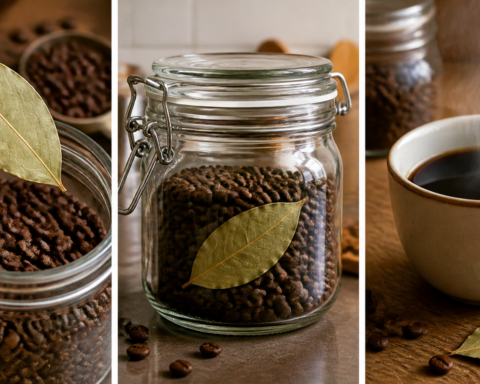
You do not need to bury the leaf at the bottom of the jar. Simply place one or two dried bay leaves on the very top of the flour.
The volatile oils will naturally circulate through the “headspace” of the jar, which is where pests typically enter.
3. Maintain an Airtight Seal
While the bay leaf is powerful, it works best in a controlled environment. Use a glass jar with a gasket seal or a high-quality “pop-top” container.
This ensures that the cineole vapors are concentrated inside the jar rather than dissipating into the kitchen air.
4. Expansion to Other Grains
The bay leaf protocol isn’t just for flour. You should place a leaf in your containers for:
-
White and Brown Rice (highly susceptible to weevils)
-
Dry Pasta
-
Cornmeal and Polenta
-
Dried Beans and Lentils
Placing a dried bay leaf in your flour jar is a testament to the power of ancestral knowledge applied to modern kitchen management.
By utilizing the plant’s natural chemical defenses, you can protect your staples from pests, inhibit mold, and extend the shelf life of your ingredients without the use of harsh chemicals.