In the landscape of human nutrition, Zinc is often overshadowed by heavy-hitters like Vitamin C or Calcium.
However, this essential trace mineral is a biological “linchpin” for over 300 enzymatic reactions in the body.
Zinc is a mandatory component for DNA synthesis, protein production, and the structural integrity of every cell in your body.
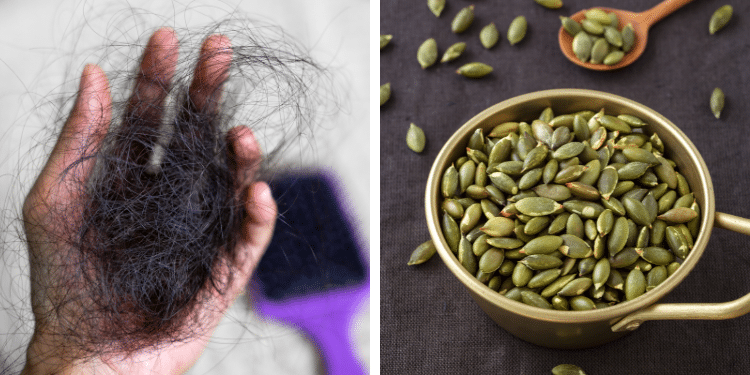
When zinc levels drop, the body’s “infrastructure” begins to fail. The symptoms are distinct: a heightened susceptibility to seasonal viruses (weak immunity), thinning at the scalp (hair loss), and a frustratingly long recovery time for minor cuts or bruises (slow healing).
The Biological Trifecta: Why Zinc is Non-Negotiable
1. The Immune Fortress
Zinc is critical for the development and function of T-lymphocytes (white blood cells). Without adequate zinc, the immune system cannot distinguish between healthy tissue and invading pathogens, leading to both frequent illness and systemic inflammation.
2. Hair Follicle Integrity
Hair loss is one of the most common signs of zinc deficiency. Zinc plays a functional role in hair tissue growth and repair.
It helps keep the oil glands around the follicles working properly, preventing the “shedding phase” from becoming permanent.
3. Cellular Regeneration (Wound Healing)
Zinc is required for the production of collagen and the “migration” of new skin cells to the site of an injury.
If your body lacks zinc, the inflammatory phase of healing lasts too long, preventing the “remodeling” phase from closing the wound.
10 Foods to Increase Zinc Levels Naturally
1. Oysters (The Gold Standard)
Oysters are the densest natural source of zinc on the planet. A single 100g serving can provide over 600% of the Daily Value (DV).
The Benefit: They provide zinc in a highly “bioavailable” form, meaning the body can absorb and utilize the mineral almost immediately.
2. Grass-Fed Beef and Lamb
Red meat is a premier source of zinc. A 100g serving of raw ground beef contains roughly 4.8mg of zinc, which is about 44% of the DV.
The Benefit: Red meat also provides Vitamin B12 and Iron, which work synergistically with zinc to support red blood cell health and oxygen transport to the hair follicles.
3. Pumpkin Seeds (Pepitas)
For those on a plant-based diet, pumpkin seeds are a mandatory staple. Just 30g of these seeds provides nearly 2.2mg of zinc.
The Benefit: They are also rich in magnesium and antioxidants, helping to stabilize the “stress response” that can lead to hair shedding.
4. Shellfish (Crab and Lobster)
While oysters lead the pack, other shellfish like Alaskan crab and lobster are excellent contributors, providing roughly 7.6mg and 3.4mg respectively per 100g.
The Benefit: These sources are low in calories but high in the amino acids necessary for tissue repair.
5. Legumes (Chickpeas and Lentils)
Legumes contain substantial amounts of zinc. However, they also contain phytates—anti-nutrients that can inhibit zinc absorption.
The Professional Tip: To maximize zinc from legumes, always soak, sprout, or ferment them before cooking. This breaks down the phytates and “unlocks” the zinc for your digestive system.
6. Hemp Hearts
Hemp seeds are nutritional powerhouses, containing roughly 10mg of zinc per 100g.
The Benefit: They are one of the few plant sources that provide a perfect balance of Omega-3 and Omega-6 fatty acids, which further supports skin healing and hair luster.
7. Cashews
Among the nut family, cashews are a standout for zinc, providing about 15% of the DV in a single ounce.
The Benefit: They are an easy, portable snack that provides the healthy fats required for the absorption of other fat-soluble vitamins (like Vitamin A) that work alongside zinc for skin health.
8. Eggs
While not as high as red meat, a large egg contains about 5% of the DV for zinc.
The Benefit: Eggs also contain biotin, a B-vitamin that is the “partner” to zinc in preventing hair loss and brittle nails.
9. Dark Chocolate (70% Cocoa or Higher)
A 100g bar of 70–85% dark chocolate contains about 3.3mg of zinc.
The Professional Tip: While a delicious source, chocolate is also high in calories and sugar. Use this as a supplemental “treat” rather than a primary zinc source.
10. Whole Grains (Oats and Quinoa)
Whole grains like quinoa and oats contain moderate amounts of zinc. Like legumes, they contain phytates.
The Action: Opt for sprouted grain breads or steel-cut oats to ensure your body is actually absorbing the minerals present in the husk.
How to Maximize Zinc Absorption: The “Synergy” Rule
To ensure your body actually utilizes the zinc you eat, you must understand nutrient competition.
-
The Calcium Barrier: High doses of calcium (from dairy or supplements) can interfere with zinc absorption. If you are eating a high-zinc meal (like a steak), avoid drinking a large glass of milk at the same time.
-
The Vitamin C Synergy: Vitamin C is known to help mitigate the effects of phytates in plant-based zinc sources. Squeeze a fresh lemon over your lentils or spinach to “pull” more zinc into your system.
-
Animal vs. Plant: The zinc in animal products is generally more bioavailable. If you are strictly vegan, you may need to consume 50% more of the DV to account for the lower absorption rates.
By intentionally incorporating these ten foods into your weekly rotation, you address the root cause of weak immunity, thinning hair, and slow healing.
Zinc is not just a supplement; it is the structural scaffolding of your health.
Start with a handful of pumpkin seeds or a serving of grass-fed beef today to give your body the tools it needs to repair, protect, and thrive.