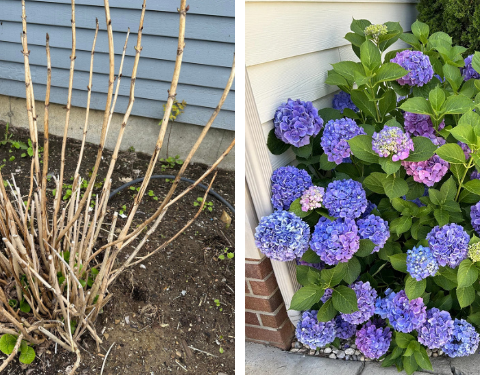
For many gardeners, the dream is a landscape that matures like a fine wine – becoming more robust, colorful, and effortless with each passing season.
This is the magic of perennial gardening. Unlike annuals, which put all their energy into a single season of glory before succumbing to the frost, perennials are the long-term investors of the plant world.
Here are 14 powerhouse perennials that don’t just survive the winter – they thrive, returning bigger, stronger, and more beautiful every single year.
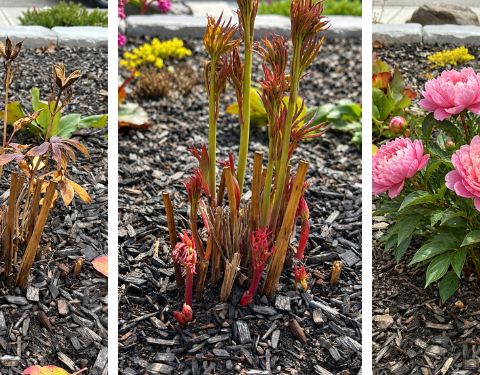
1. Peonies (Paeonia)
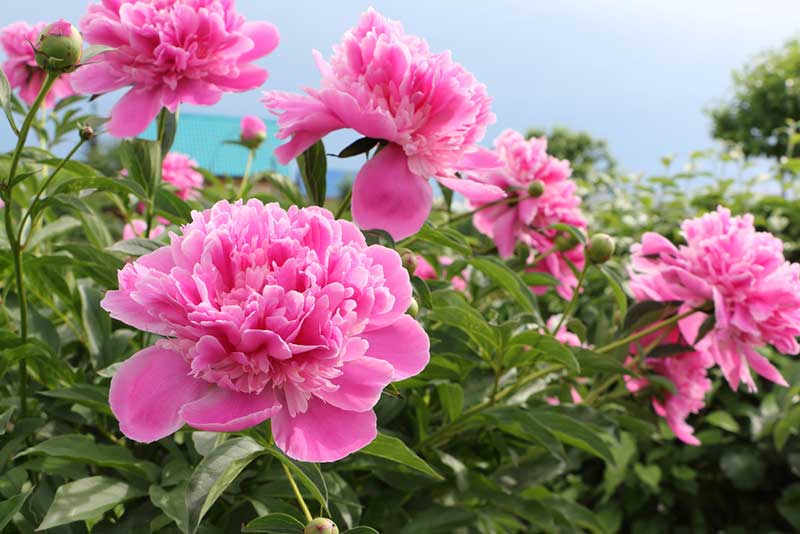
Peonies are the undisputed royalty of the spring garden. Known for their massive, fragrant blooms and lush foliage, these plants are incredibly long-lived, with some specimens known to thrive for over 50 years.
Why they get better:
Peonies develop extensive storage roots. As the root clump expands underground each year, the plant gains the energy to produce more stems and larger flower heads.
A five-year-old peony bush can produce dozens of blooms simultaneously, creating a breathtaking focal point.
2. Hostas (Hosta)
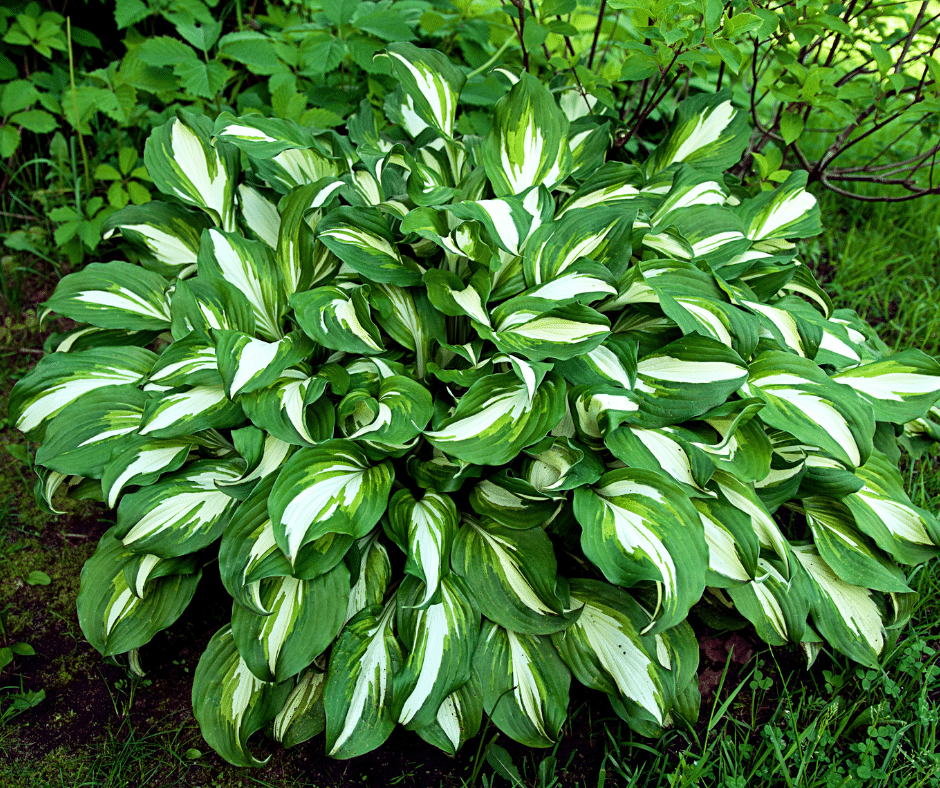
Often called the “Plantain Lily,” Hostas are the heroes of the shade garden. While they are grown primarily for their foliage, their ability to increase in diameter is legendary.
Why they get better:
Hostas grow from rhizomes. Every year, the “crown” of the plant produces more eyes (buds). A small starter plug can grow into a massive mound four feet wide within a few seasons.
As they mature, their leaf colors become more saturated, and their texture – from waxy blue to corrugated gold – becomes more pronounced.
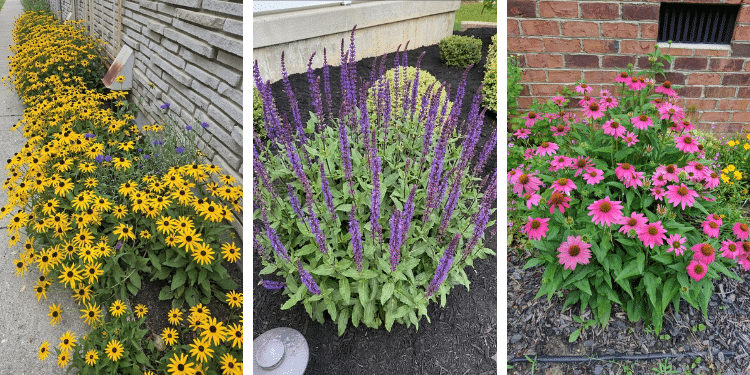
3. Coneflowers (Echinacea)
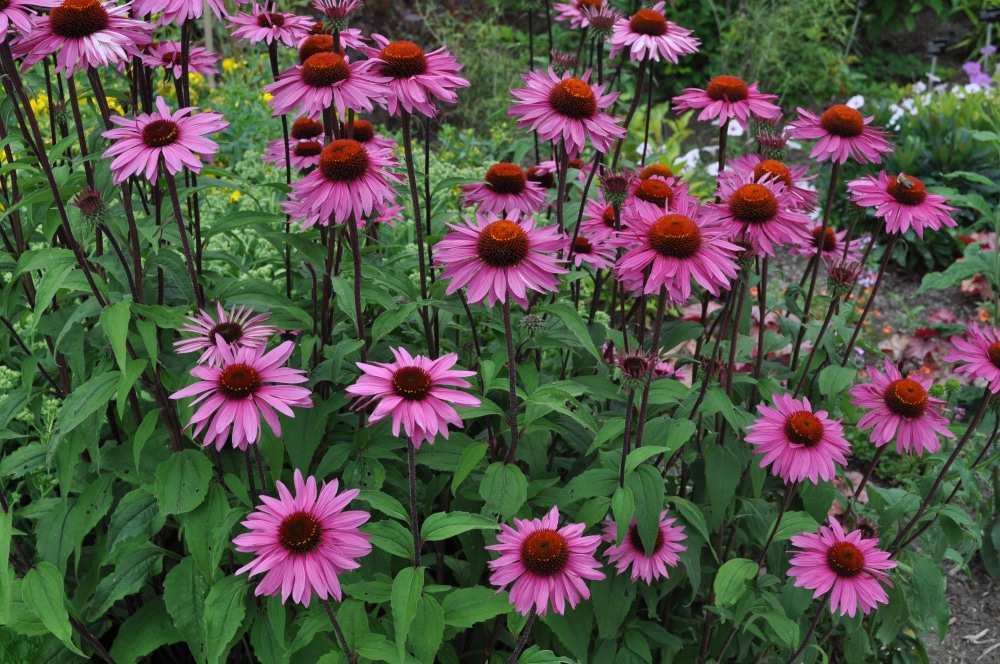
A staple of the North American prairie, Echinacea is as tough as it is beautiful. These pollinator magnets are famous for their raised centers and drooping petals.
Why they get better:
Coneflowers are prolific self-seeders and clump-formers. Over time, the central “taproot” thickens, making the plant increasingly drought-tolerant.
A mature stand of Echinacea provides a structural density that younger plants lack, offering a sea of purple, white, or sunset orange that returns reliably after the harshest winters.
4. Daylilies (Hemerocallis)
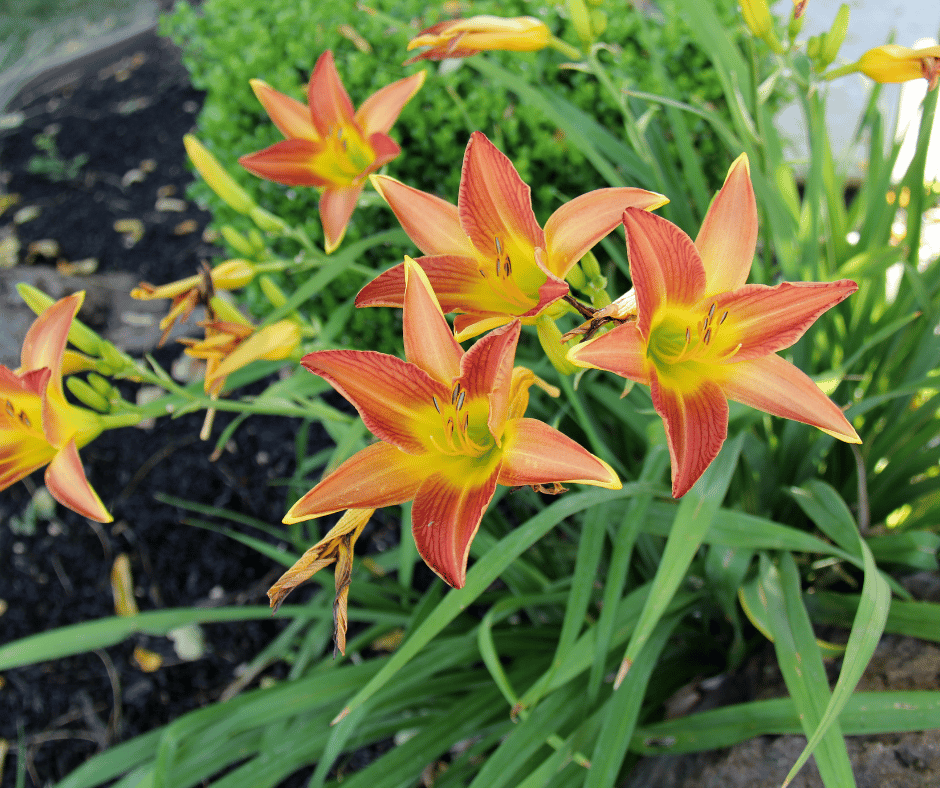
The “perfect perennial,” Daylilies are nearly indestructible. While each individual flower lasts only one day, a mature plant produces an incredible volume of buds.
Why they get better:
Daylilies are rapid “multipliers.” Their tuberous roots divide naturally underground. What starts as a single “fan” of leaves will become a thick, weed-suppressing colony in just three to four years.
Their mid-summer display becomes more explosive every year as the number of flower scapes increases.
5. Bleeding Heart (Lamprocapnos spectabilis)
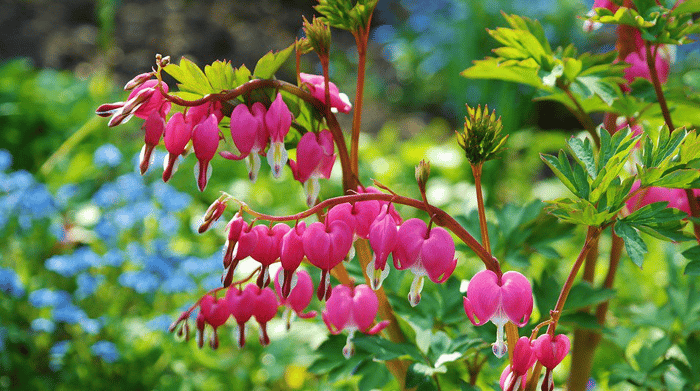
This woodland favorite brings an air of Victorian romance to the garden with its heart-shaped pink and white flowers dangling from arching stems.
Why it gets better:
Bleeding Hearts are early spring ephemerals that store massive amounts of energy in their brittle, fleshy roots.
As the plant ages, the “reach” of its arching branches extends further, and the quantity of “hearts” per stem increases, creating a fuller, more dramatic silhouette in the shade.
6. Siberian Iris (Iris sibirica)
While Bearded Irises are lovely, Siberian Irises are the true “workhorses” of the perennial border. They offer elegant, grass-like foliage that stays tidy all season.
Why they get better:
Siberian Irises form extremely dense, tough mats of rhizomes. Unlike other Iris varieties that may “hollow out” in the center, Siberian Irises stay lush and full. Every year, the flower count doubles, eventually forming a stately, upright clump that acts as a structural anchor in the garden.
7. Sedum ‘Autumn Joy’ (Hylotelephium)
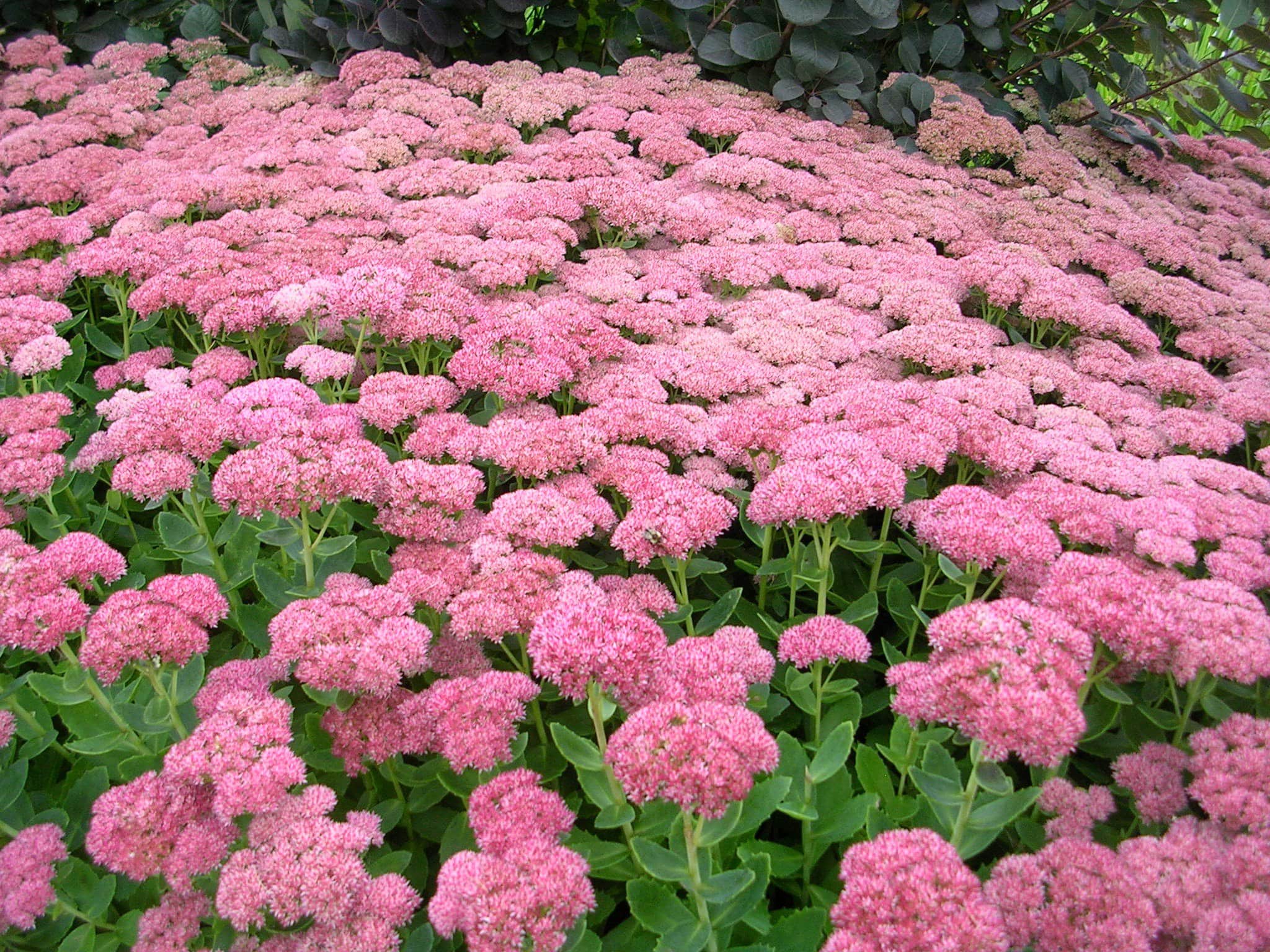
This succulent-like perennial is a master of the “late-season show.” Its broccoli-like green buds turn pink in late summer and deep copper in the fall.
Why it gets better:
Sedum stores water in its thick leaves and stems, becoming more resilient to heat and drought as it matures.
The “crown” of the plant expands annually, producing a wider, sturdier dome of flowers that provides critical late-season nectar for migrating butterflies.
8. Hellebores (Helleborus)
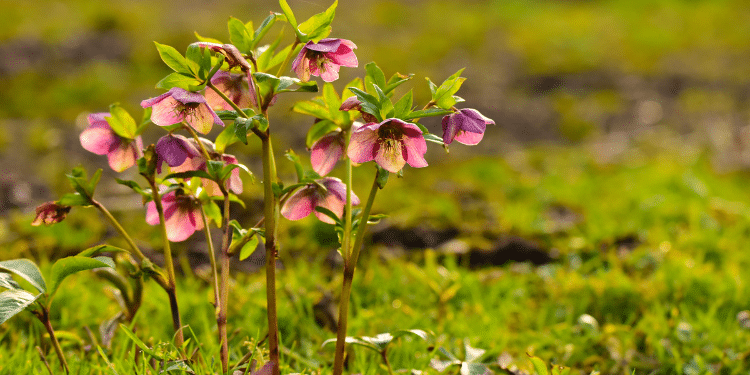
Also known as the “Lenten Rose,” Hellebores are among the first plants to bloom, often pushing through the snow in late winter.
Why they get better:
Hellebores are slow to establish, but once they do, they are virtually immortal. They have leathery, evergreen foliage that gets thicker every year.
Because they are long-lived and dislike being moved, they reward the patient gardener with larger, more intricate bell-shaped flowers each February and March.
9. Baptisia (False Indigo)
Baptisia is the “shrub-like” perennial of the bunch. It features lupine-like spikes of blue, yellow, or white flowers and beautiful blue-green foliage.
Why it gets better:
Baptisia develops a deep, woody taproot that makes it incredibly drought-resistant. Because of this root system, it is difficult to move once planted, but it grows significantly larger each year until it resembles a small, rounded shrub.
It is a nitrogen-fixer, meaning it actually improves the soil it grows in over time.
10. Catmint (Nepeta)
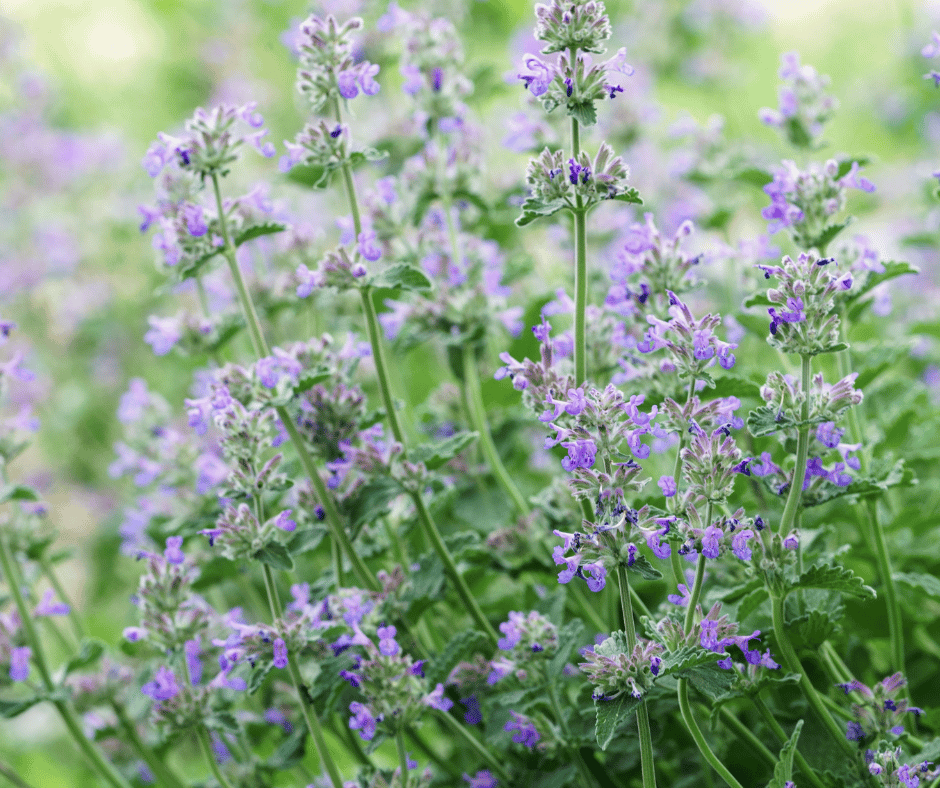
If you want a “cloud” of lavender-blue flowers that lasts from late spring through autumn, Catmint is the answer.
Why it gets better:
Catmint is a vigorous grower that fills gaps quickly. As the plant matures, its woody base becomes more established, supporting a larger volume of aromatic foliage.
It is highly resistant to pests and deer, allowing it to expand its footprint every year without interference.
11. Black-Eyed Susans (Rudbeckia)
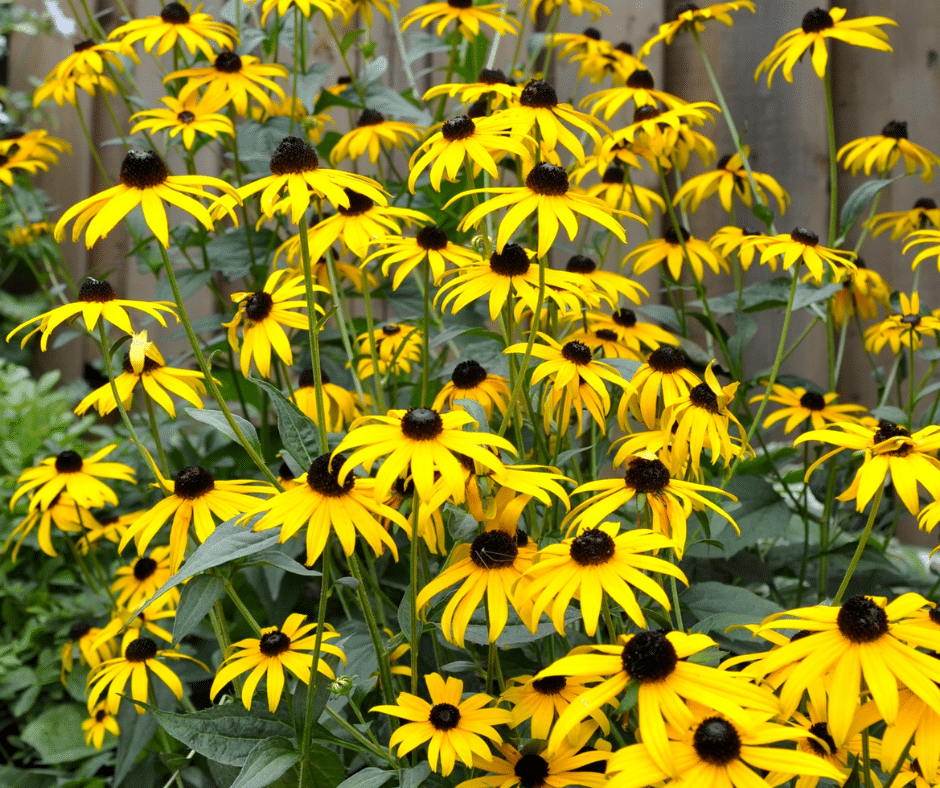
A cheerful classic, Rudbeckia brings a burst of sunshine to the late-summer garden with its golden petals and dark centers.
Why they get better:
These plants are “colonizers.” They spread both by underground rhizomes and by seed. A small patch of Black-Eyed Susans will naturally evolve into a dense, golden meadow. Their rugged nature ensures they return with more vigor even after poor growing seasons.
12. Salvia (Perennial Sage)
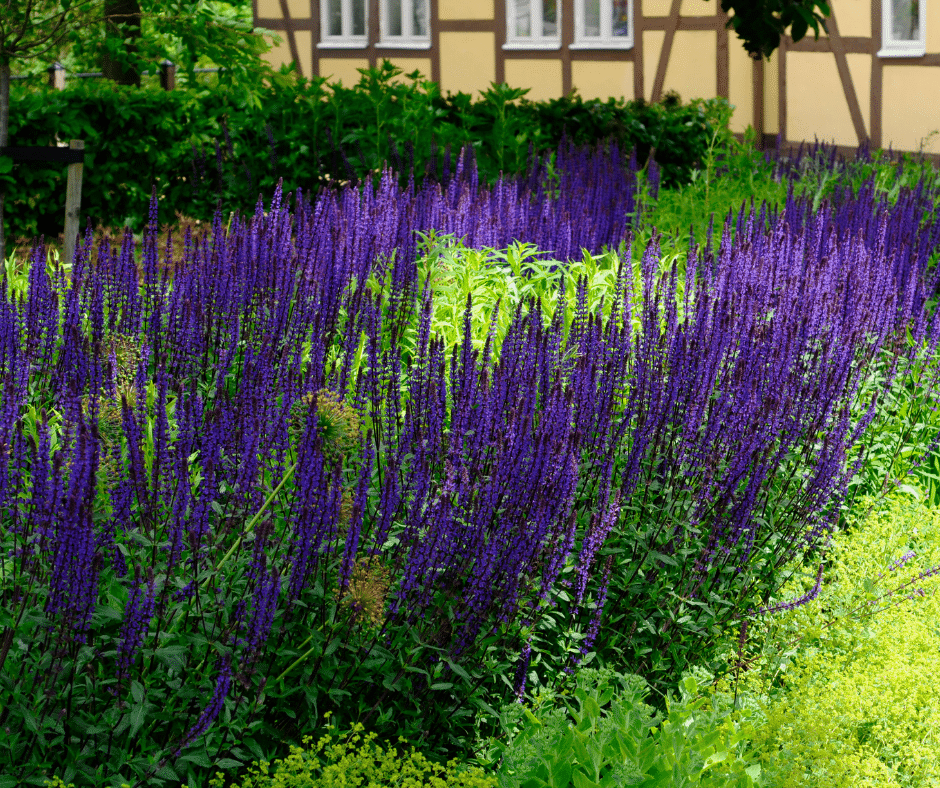
Salvia offers vertical interest with its upright spikes of purple or blue flowers. It is a favorite for bees and hummingbirds.
Why it gets better:
With proper deadheading, Salvia will bloom multiple times a season. Each year, the root crown becomes meatier, sending up more flower spikes. The plant becomes more “architectural” and less floppy as it reaches its full, mature size.
13. Coral Bells (Heuchera)
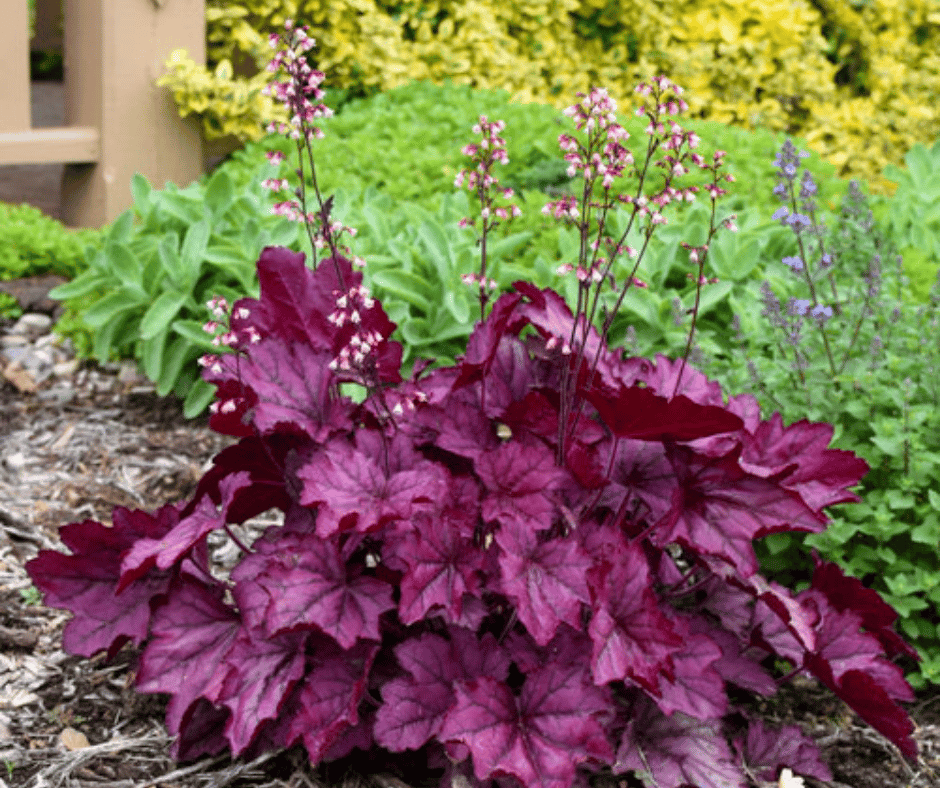
Heuchera is grown for its spectacular foliage, which comes in shades of lime green, deep purple, “caramel,” and silver.
Why they get better:
Modern Heuchera hybrids have been bred for vigor. As the plant ages, the mound of ruffled leaves becomes denser and more vibrant.
While they can occasionally “heave” out of the ground in winter, a quick mulch and maturity lead to a stunning, multi-colored groundcover effect.
14. Astilbe (False Spirea)
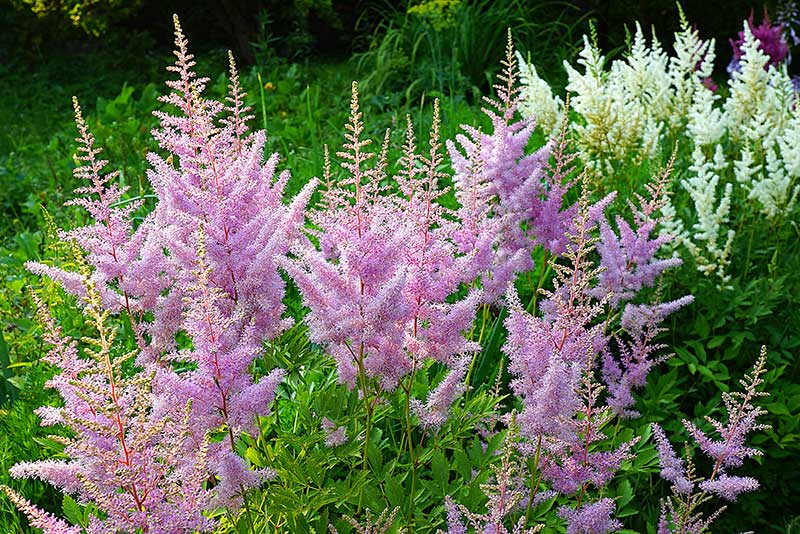
Astilbe is the queen of the damp, shady corner. Its fern-like foliage is topped with feathery plumes of white, pink, or red.
Why it gets better:
Astilbe thrives as its root system spreads into a thick, fibrous mass. As long as the soil remains moist, the plant will produce taller and more numerous plumes each year.
A mature Astilbe in full bloom looks like a soft, colorful mist floating over the garden floor.
The “Sleep, Creep, Leap” Philosophy
To ensure these perennials come back “bigger and better,” gardeners must understand the biological timeline of a perennial plant:
-
Year 1 (Sleep): The plant looks small above ground because it is pouring all its energy into the root system. Do not be discouraged by a lack of flowers in the first year.
-
Year 2 (Creep): The roots are established, and the plant begins to fill out its allocated space. You will see more foliage and a modest flower show.
-
Year 3 (Leap): This is the “payoff” year. The plant reaches its full height and width, and the bloom production is at its peak.
Tips for Long-Term Perennial Success
-
Soil Preparation: Unlike annuals, you only get one chance to prep the soil before a perennial goes in for the long haul. Amend your soil with organic compost to provide a slow-release nutrient base.
-
Mulching: A 2-inch layer of organic mulch protects the crowns of your perennials from “freeze-thaw” cycles in the winter and retains moisture in the summer.
-
Division: Every 3 to 5 years, some perennials (like Daylilies and Hostas) benefit from being dug up and split. This prevents overcrowding and gives you free plants to put elsewhere!
-
Deadheading: Removing spent flowers prevents the plant from wasting energy on seed production, allowing that energy to go back into the roots for next year’s growth.
The beauty of a perennial garden is that it is a living investment. By choosing plants like Peonies, Hostas, and Baptisia, you are designing a landscape that works for you, growing in value and splendor with every passing year.