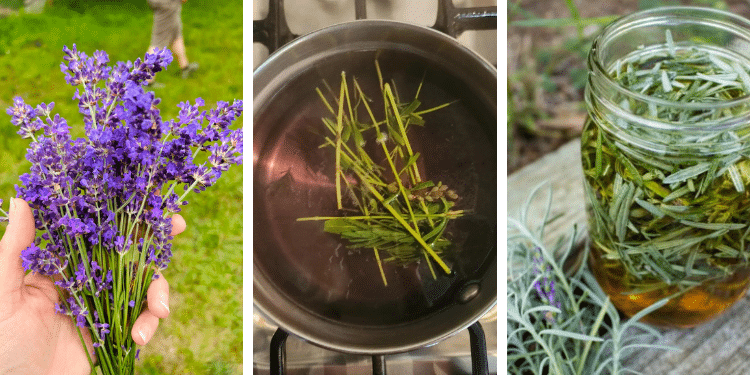
For thousands of years, the silver-green stalks and vibrant purple spikes of lavender (Lavandula) have been more than just a garden ornament.
From the aromatic baths of Ancient Rome – where it earned its name from the Latin lavare, meaning “to wash” – to the high-tech laboratories of modern aromatherapy, lavender has maintained its reputation as the world’s most versatile healing botanical.
While the modern world often dismisses “scents” as mere luxury, the science of lavender is far from superficial.
This flower contains a complex profile of phytochemicals, including linalool and linalyl acetate, which interact directly with the human nervous system.
1. Deepening the Sleep Cycle
Insomnia and poor sleep quality are primary drivers of daily stress. Lavender is perhaps best known as a natural sedative.
Unlike pharmaceutical sleep aids that can leave you feeling groggy, lavender promotes “slow-wave” sleep – the deep, restorative stage of the sleep cycle where the body repairs tissue and the brain processes memories.
How to use: Place a sachet of dried lavender buds inside your pillowcase, or use a high-quality lavender linen spray 20 minutes before bed.
2. Reducing Cortisol Levels
Cortisol is the body’s primary stress hormone. While necessary in small bursts, chronically high levels lead to weight gain, anxiety, and heart issues.
Research has shown that simply inhaling the aroma of lavender for five minutes can significantly lower cortisol levels in saliva.
How to use: Keep a small vial of lavender essential oil at your desk. When a stressful email arrives, take three deep diaphragmatic breaths while smelling the oil.
3. Calming “Technostress” and Digital Eye Strain
We spend hours staring at blue-lit screens, which overstimulates the brain. Lavender has a cooling, grounding effect that helps offset the mental “frizz” caused by constant digital connectivity.
How to use: Apply a lavender-infused cold compress over your closed eyes for ten minutes after a long day of computer work.
4. Easing Tension Headaches
Stress often manifests physically as a tight band of pain around the forehead or at the base of the skull. Lavender acts as a mild analgesic and vasodilator, helping to relax the constricted blood vessels associated with tension-type headaches.
How to use: Mix two drops of lavender oil with a carrier oil (like jojoba) and massage it into your temples and the back of your neck.
5. Soothing Digestive “Butterflies”
The gut-brain axis means that mental stress almost always leads to digestive upset. Lavender has antispasmodic properties that calm the smooth muscles of the digestive tract.
How to use: Brew a cup of food-grade lavender tea. The warmth combined with the botanical compounds helps settle a nervous stomach and reduce bloating.
6. Balancing Mood Swings and Irritability
The linalool in lavender interacts with the neurotransmitter GABA, which helps quiet overactive neurons in the brain. This makes it an excellent tool for those days when you feel “on edge” or irrationally frustrated.
How to use: Diffuse lavender essential oil in high-traffic areas of your home to create a “neutral zone” of calm for the whole family.
7. Accelerating Skin Healing from Stress Breakouts
Stress triggers inflammation, which often leads to “stress acne” or flare-ups of eczema. Lavender is both anti-inflammatory and antimicrobial, making it a double-threat for stressed skin.
How to use: Add a few drops of lavender oil to your nightly moisturizer to soothe redness and prevent bacterial growth in clogged pores.
8. Enhancing Focus During Meditation
For many, the hardest part of meditation is the “monkey mind” – the constant stream of stressful thoughts. Lavender’s grounding scent provides a sensory anchor that helps pull the mind back to the present moment.
How to use: Use a lavender-scented candle or incense during your mindfulness practice to associate the scent with a state of stillness.
9. Relieving Post-Exercise Physical Stress
Physical stress on the muscles contributes to overall fatigue. A lavender-infused bath helps move the body from a state of exertion to a state of recovery.
How to use: Combine 1 cup of Epsom salts with 10 drops of lavender oil in a warm bath. The magnesium in the salts works with the lavender to flush lactic acid from the muscles.
10. Managing Pre-Event “Stage Fright”
Whether it’s a public speech or a job interview, acute performance anxiety is a major stressor. Lavender helps dampen the physical symptoms of anxiety, such as shaking hands or a racing heart.
How to use: Apply a “roll-on” lavender blend to your pulse points (wrists and behind the ears) 15 minutes before your event.
11. Natural Deodorizing for a Calmer Environment
Odors in our environment can subconsciously raise stress levels (think of the smell of a stale office or a damp basement). Lavender doesn’t just mask smells; its antibacterial properties help eliminate the source of the odor.
How to use: Simmer dried lavender and lemon peels in a pot of water on the stove to naturally purify the air in your home.
12. Supporting Respiratory Health
Stress can cause shallow, restricted breathing. Lavender has been used in traditional medicine to help open the airways and soothe the respiratory system, which in turn signals the brain that it is safe to relax.
How to use: Use a steam inhalation method – place a towel over your head and lean over a bowl of hot water with two drops of lavender oil.
13. Softening the Symptoms of PMS
For many women, the hormonal shifts of the menstrual cycle bring a unique brand of monthly stress and physical discomfort. Lavender has been shown to reduce the emotional volatility and cramping associated with PMS.
How to use: Massage lavender oil (diluted) onto the lower abdomen in circular motions to alleviate cramping.
14. Protecting Against Environmental Free Radicals
Oxidative stress is a cellular form of stress caused by pollution and UV rays. Lavender is rich in antioxidants that help neutralize these free radicals before they can damage your cells.
How to use: Incorporate a lavender hydrosol (flower water) as a facial mist throughout the day to keep your skin’s antioxidant defense high.
15. Improving Social Connection
Studies in “environmental psychology” suggest that people are more likely to be trusting and collaborative in rooms that smell like lavender. By lowering individual stress, it improves the collective “vibe” of a group.
How to use: If you’re hosting a potentially tense meeting or family gathering, diffuse a blend of lavender and orange to promote a friendly, relaxed atmosphere.
The Science: Why Lavender Works
Lavender’s effectiveness isn’t “magic” – it’s chemistry. The primary constituents, Linalool and Linalyl acetate, are rapidly absorbed through the skin and the olfactory system.
Once in the bloodstream, they inhibit several neurotransmitters and stimulate the parasympathetic nervous system.
This is why lavender is often referred to as a “nervine” – an herb that specifically supports and strengthens the nervous system.
Harvesting and Safety Tips
Choosing Your Lavender
There are over 40 species of lavender, but English Lavender (Lavandula angustifolia) is the gold standard for stress relief and medicinal use.
“French” or “Spanish” lavenders are beautiful but often contain higher levels of camphor, which can actually be stimulating rather than calming.
Essential Oil Safety
-
Dilution is Key: Never apply undiluted lavender essential oil directly to the skin; always use a carrier oil like coconut, almond, or jojoba.
-
Ingestion: Only consume lavender that is labeled as “culinary grade” or “food grade.” Essential oils meant for diffusers should never be swallowed.
-
Pet Safety: While calming for humans, lavender can be irritating to some pets, particularly cats. Ensure your space is well-ventilated when diffusing.
In a world that constantly asks for more of your time and energy, lavender is a gentle reminder from the natural world to slow down, breathe, and wash away the day.