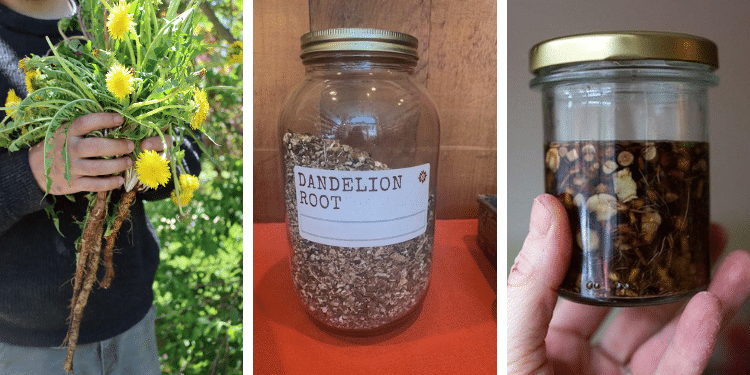
For many homeowners, the sight of a dandelion in the yard is a call to arms – a signal to reach for the weed killer or the trowel.
However, this “common weed” has been a cornerstone of traditional medicine for millennia. From the ancient physicians of Arabia to the herbalists of Traditional Chinese Medicine (TCM), the dandelion (Taraxacum officinale) has been revered as a potent healing agent.
While the bright yellow petals and serrated leaves (which inspired the French name dent-de-lion or “lion’s tooth”) are edible, the true medicinal powerhouse lies beneath the surface: the root.
When dried, roasted, and brewed, dandelion root offers a rich, earthy beverage that mimics the depth of coffee while delivering a staggering array of health benefits.
Here are eight comprehensive reasons why dandelion root is the most underestimated superfood in your backyard.
1. A Natural Powerhouse for Liver Detoxification
The liver is the body’s primary filtration system, responsible for processing toxins, metabolizing hormones, and clearing waste.
In our modern environment, the liver is often overworked due to processed foods, environmental pollutants, and alcohol.
Dandelion root contains a specific bitter compound called taraxacerin. These bitters stimulate the liver to produce more bile, which is essential for the breakdown of fats and the removal of toxins.
Unlike synthetic “detox” products, dandelion root supports the liver’s natural pathways.
Furthermore, studies have shown that the polysaccharides in dandelion root can protect the liver against oxidative stress and damage caused by acetaminophen and alcohol.
By promoting the flow of bile and protecting hepatic cells, a daily brew of dandelion root helps keep your body’s internal filter running at peak efficiency.
2. Superior Digestive Support and Prebiotic Benefits
If you suffer from bloating, indigestion, or a sluggish metabolism, dandelion root tea may be your most effective natural ally. The benefits for digestion are twofold:
Stimulating Digestive Enzymes
The bitter profile of the root triggers a cephalic reflex that stimulates the secretion of gastric juices and digestive enzymes.
This prepares the stomach to break down food more effectively, reducing the likelihood of acid reflux and heavy “after-meal” bloating.
High Inulin Content
Dandelion root is exceptionally high in inulin, a type of soluble fiber known as a prebiotic. Inulin is not digested by the human body; instead, it travels to the gut where it feeds beneficial bacteria like Bifidobacteria.
A healthy gut microbiome is linked to everything from improved immunity to better mental health. By brewing the root, you are essentially “fertilizing” your internal garden.
3. Natural Diuretic for Kidney Health and Water Retention
The word “dandelion” in some European dialects translates literally to “piss-a-bed,” a testament to its powerful diuretic properties. Many synthetic diuretics can deplete the body of potassium, leading to muscle cramps and electrolyte imbalances.
Dandelion root is unique because it is one of the richest plant sources of potassium. While it encourages the kidneys to flush out excess salt and water – thereby reducing edema (swelling) and lowering blood pressure – it simultaneously replaces the potassium lost during urination.
This makes it a balanced, safe way to manage water retention without the common side effects of pharmaceutical diuretics.
4. Blood Sugar Regulation and Metabolic Health
As metabolic disorders like Type 2 diabetes become more prevalent, researchers are looking closer at traditional remedies.
Dandelion root contains bioactive chemical components, such as chicoric acid and chlorogenic acid, which have been shown to improve insulin sensitivity.
These compounds work in two ways:
-
Inhibiting α-glucosidase: This slows down the absorption of carbohydrates into the bloodstream, preventing the sharp glucose spikes that occur after eating.
-
Enhancing Glucose Uptake: It stimulates the muscles to take up glucose more efficiently, effectively lowering blood sugar levels.
While it is not a replacement for medical treatment, incorporating roasted dandelion root into a balanced diet can provide significant support for those looking to stabilize their metabolic health.
5. Rich in Potent Anti-Inflammatory Compounds
Chronic inflammation is the “silent killer” behind most modern ailments, including heart disease, arthritis, and autoimmune conditions.
Dandelion root is packed with polyphenols and specialized phytochemicals that inhibit the production of pro-inflammatory cytokines.
The root’s ability to reduce inflammation is particularly beneficial for joint health. Those suffering from osteoarthritis or rheumatoid arthritis often report reduced stiffness and pain when consuming dandelion root regularly.
Because inflammation and oxidative stress are closely linked, the high antioxidant content of the brew – specifically vitamin C and luteolin – helps neutralize free radicals that would otherwise damage cellular DNA.
6. The Ultimate Caffeine-Free Coffee Alternative
One of the greatest hurdles to quitting coffee is the loss of the ritual and the specific “bitter and bold” flavor profile.
When dandelion root is roasted, it undergoes a Maillard reaction that creates a flavor remarkably similar to coffee – minus the acidity and the caffeine jitters.
Why Switch?
-
Adrenal Health: Caffeine triggers the release of cortisol, which can lead to adrenal fatigue and increased anxiety. Dandelion root is an adaptogenic-style herb that supports the body without stressing the nervous system.
-
No “Crash”: Because it contains no stimulants, you won’t experience the 2:00 PM energy slump associated with coffee consumption.
-
Alkalizing: Coffee is highly acidic and can disrupt the body’s pH balance; dandelion root has an alkalizing effect on the system.
7. Skin Health and Acne Prevention
The health of your skin is often a direct reflection of the health of your liver and gut. Because dandelion root improves liver function and aids in the elimination of toxins, it is frequently used to treat skin conditions “from the inside out.”
The antimicrobial and antifungal properties of the root can help prevent the bacterial overgrowth that leads to acne.
Furthermore, by balancing hormones through liver detoxification, it can be particularly effective for hormonal acne along the jawline. The boost in antioxidants also aids in skin repair, helping to fade scars and protect against the drying effects of UV radiation.
8. Potential Anti-Cancer Properties
Perhaps the most exciting area of modern research regarding dandelion root is its impact on cancer cells.
While research is still largely in the laboratory and clinical trial phases, several studies have shown that dandelion root extract can induce apoptosis (programmed cell death) in various cancer cell lines, including melanoma, pancreatic cancer, and leukemia.
What makes dandelion root particularly interesting to researchers is its “selectivity.” In these studies, the extract appeared to kill cancer cells without harming healthy, non-cancerous cells – a major contrast to traditional chemotherapy.
While more human trials are needed, the preliminary data suggests that the root contains compounds that could be vital in future oncological treatments.
How to Harvest and Prepare Dandelion Root
If you choose to harvest your own dandelions, ensure they are gathered from an area that has not been treated with pesticides, herbicides, or fertilizers.
Harvesting
-
Timing: The best time to harvest the root is in the late fall when the plant has stored maximum nutrients for the winter, or in early spring before the flowers bloom.
-
Extraction: Use a dandelion fork or a long trowel to dig deep; the taproot can be surprisingly long.
-
Cleaning: Scrub the roots thoroughly under cold water to remove all soil.
Preparing the Brew
-
Chop: Cut the cleaned roots into small, uniform pieces.
-
Roast: Spread the pieces on a baking sheet and roast at 300°F (150°C) for about 30-40 minutes until they are dark brown and fragrant.
-
Grind: Once cooled, grind the roasted roots in a coffee or spice grinder.
-
Brew: Use 1 tablespoon of ground root per cup of water. Simmer the grounds in boiling water (a decoction) for 5-10 minutes to extract the maximum flavor and medicinal compounds.
Understanding Potential Side Effects
Although dandelion root is classified as “Generally Recognized as Safe” (GRAS) by the FDA, there are a few precautions to keep in mind:
-
Allergies: If you are allergic to ragweed, daisies, marigolds, or yarrow, you may have a sensitivity to dandelions.
-
Medication Interactions: Because it is a diuretic, it may change how your body processes certain medications, such as lithium or antibiotics. It may also increase the blood-thinning effects of medications like warfarin.
-
Gallstones: Since dandelion stimulates bile production, those with active gallstones or gallbladder disease should consult a doctor before use, as increased bile flow can cause complications.
The dandelion is a resilient plant that can grow through cracks in the concrete, yet it possesses a nutritional profile that rivals the most expensive supplements on the market.
By choosing to brew dandelion root, you are tapping into a legacy of herbal wisdom that spans centuries.