When the days grow shorter and the air turns crisp, gardeners know one thing for sure: fall cleanup season has arrived.
And one of the most important – yet most misunderstood – tasks of autumn is cutting back perennials.
Do it right, and you’ll set the stage for a healthy, vibrant garden next spring.
Do it wrong, and you could accidentally weaken plants, reduce blooms, or even kill them before winter arrives.
October is often considered the ideal time for this essential task. By this point, most perennials have finished flowering, their foliage is beginning to die back, and they’re naturally preparing for dormancy.
However, not all plants should be cut back at the same time, and how you prune can make all the difference in their health and performance next season.
Why Cutting Back Perennials in October Matters
Perennials are the backbone of a thriving garden – returning year after year, growing stronger with each season.
But as autumn sets in, they begin their transition into dormancy. Cutting them back during this phase does much more than just tidy up your landscape.
It’s a critical part of plant care that has several important benefits:
1. Prevents Disease and Pests
Dead or decaying foliage can harbor fungal spores, harmful bacteria, and overwintering pests.
By cutting back perennials before winter, you remove potential breeding grounds for problems like powdery mildew, rust, slugs, and aphids, helping your plants start fresh in spring.
2. Encourages Healthy Growth in Spring
Pruning redirects the plant’s energy from maintaining dying leaves and stems into root development and nutrient storage.
As a result, plants emerge stronger, healthier, and with more vigorous growth when warm weather returns.
3. Reduces Winter Damage
Cutting back top growth helps prevent snow and ice from accumulating on tall stems, which can break branches or cause plants to split at the base. A tidy garden is more resilient against harsh winter weather.
4. Improves Air Circulation
Removing spent foliage improves airflow in your garden beds, reducing humidity and lowering the risk of fungal infections both in fall and the following spring.
5. Enhances Garden Appearance
A freshly trimmed perennial bed simply looks cleaner and more intentional. While some gardeners embrace the “wild winter garden” look, many prefer a neat, low-maintenance landscape through the cold months.
Understanding the Life Cycle: What Perennials Are Doing in Fall
Before you reach for your pruning shears, it’s crucial to understand what’s happening inside your perennials in October.
As temperatures drop and daylight decreases, perennials enter a dormancy preparation phase.
During this time, they:
- Stop producing new leaves and flowers.
- Begin pulling nutrients from their foliage back into their root systems.
- Harden off above-ground growth to protect against frost.
- Focus energy on root health and carbohydrate storage.
By late October in most climates, the plants are no longer actively growing above ground – making it the perfect time to remove dead or dying growth without disrupting the plant’s natural cycle.
However, timing and technique matter. Cut too early, and you risk robbing the plant of valuable nutrients.
Cut too late, and you may damage tender new growth that emerges during brief warm spells.
Step-by-Step: How to Cut Back Perennials the Right Way in October
Now that you understand why and when to cut back perennials, let’s walk through the proper method step by step.
Step 1: Identify Which Perennials to Cut Back (and Which to Leave)
Not every perennial should be pruned in fall. Some plants benefit from being left alone until spring for insulation, wildlife support, or continued visual appeal.
We’ll categorize them below:
Perennials You Should Cut Back in October
These plants go fully dormant and benefit from a fall trim:
- Hostas – After frost turns leaves mushy, cut them to the ground to prevent disease.
- Daylilies (Hemerocallis) – Remove spent foliage to reduce pest problems.
- Peonies (Paeonia) – Essential to cut back to prevent fungal disease.
- Bee balm (Monarda) – Prune to reduce the risk of powdery mildew.
- Yarrow (Achillea) – Trim for a tidier appearance and to promote healthy spring growth.
- Phlox – Cutting reduces mildew risk.
- Shasta daisies (Leucanthemum) – Trim stems to a few inches above the ground.
- Coneflowers (Echinacea) – Can be left for birds or cut back for tidiness.
- Black-eyed Susans (Rudbeckia) – As with coneflowers, optional to leave for wildlife but safe to cut.
Perennials to Leave Alone Until Spring
Some perennials provide important ecological or aesthetic benefits if left standing:
- Sedum – Adds winter interest and protects new crowns.
- Russian sage (Perovskia atriplicifolia) – Protects crown from winter rot.
- Ornamental grasses – Provide habitat for pollinators and visual appeal.
- Coreopsis – Seedheads feed birds.
- Hellebores – Evergreen foliage protects the crown.
- Heuchera – Cutting back can expose crowns to freeze damage.
Step 2: Choose the Right Tools
Using the proper tools ensures clean cuts, reduces disease spread, and makes the job easier.
- Bypass pruners: For cutting stems up to ¾ inch thick.
- Loppers: For thicker stems or woody perennials.
- Hedge shears: Useful for cutting back large clumps quickly.
- Garden scissors: Great for precision work on delicate plants.
- Gloves: Protect your hands from sap, spines, and debris.
- Rubbing alcohol or bleach solution: Always disinfect tools between plants to prevent disease transfer.
Step 3: Cut at the Correct Height
The golden rule for most perennials is to cut them back to 2–3 inches above the soil line.
This height:
- Protects the crown from frost damage.
- Reduces the risk of rot.
- Allows new growth to emerge cleanly in spring.
For plants with hollow stems (like hollyhocks), cutting too low can allow water to pool and freeze inside the stem, causing rot. In these cases, leave about 4–5 inches.
Step 4: Remove Dead Foliage and Debris
Once you’ve cut back your perennials, don’t leave the trimmings behind. Fallen foliage can harbor pests and fungal spores over winter. Instead:
- Compost healthy plant material.
- Dispose of diseased leaves and stems in the trash (not the compost pile) to prevent spreading pathogens.
- Rake the area thoroughly to remove any debris that might attract pests.
Step 5: Mulch for Winter Protection
After pruning and cleaning, applying a layer of mulch helps insulate plant crowns and roots from fluctuating winter temperatures.
- Use: Straw, shredded leaves, compost, or pine needles.
- Depth: 2–4 inches around the base of each plant.
- Tip: Don’t pile mulch directly on top of the crown – leave a small gap to prevent rot.
Special Cases: How to Handle Different Types of Perennials
Each plant type has its quirks. Here’s how to handle the most common categories in October:
Herbaceous Perennials
These die back completely each winter. Cut them to 2–3 inches once foliage browns. Examples: hostas, daylilies, asters, bee balm.
Semi-Woody Perennials
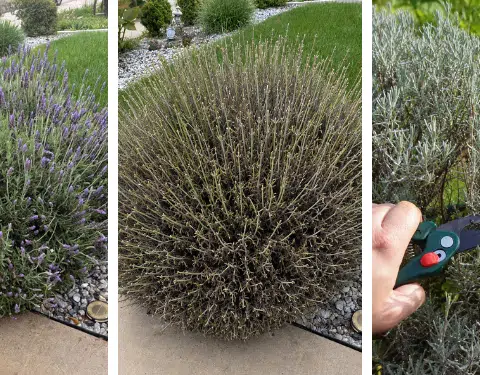
Perennials like lavender or Russian sage develop woody bases. Do not cut into the woody parts in fall. Wait until spring to shape and prune.
Evergreen Perennials
Heuchera and hellebores retain foliage year-round. Trim only damaged or diseased leaves, leaving the rest to protect the crown.
Ornamental Grasses
While technically perennials, grasses are best left until late winter. Their seedheads add winter interest and provide food for birds.
Wildlife-Friendly Gardening: Why You Might Want to Delay Cutting Back
While fall cleanup has many benefits, there’s a growing movement among gardeners to delay pruning until spring – and for good reason.
Many beneficial insects, including bees, butterflies, and ladybugs, overwinter in hollow stems, leaf litter, and plant debris. Birds also rely on seedheads for winter food.
If you want to support biodiversity:
- Leave some perennials standing until spring.
- Consider cutting back only the diseased or messy plants in fall.
- Delay pruning ornamental grasses and plants with attractive seedheads like coneflowers and rudbeckia.
This “messier” approach still allows you to manage disease and tidy the garden while providing a haven for wildlife.
Common Mistakes to Avoid When Cutting Back Perennials
Even experienced gardeners sometimes make errors that can harm their plants. Here are the most common pitfalls – and how to avoid them:
Cutting Too Early
Pruning before frost can rob plants of vital nutrients they’re still drawing back into their roots. Wait until after the first hard frost when foliage has naturally begun to die back.
Cutting Too Low
Removing all above-ground growth leaves the crown vulnerable to freezing temperatures and rot. Always leave 2–3 inches above the soil.
Ignoring Disease Management
Composting diseased foliage can reintroduce pathogens into your garden next year. Always dispose of infected plant material separately.
Neglecting to Sterilize Tools
Dirty tools spread diseases like fungus and bacterial blight. Clean your pruners between plants.
Forgetting Mulch
Failing to mulch after cutting back can leave plants exposed to winter temperature fluctuations, leading to frost damage or root death.
Advanced Fall Care Tips for Perennial Success
To go beyond basic pruning and give your garden the best chance of thriving next year, consider these advanced fall care strategies:
Divide and Replant Overcrowded Perennials
October is an excellent time to divide large clumps of perennials like hostas, irises, and coneflowers. Division rejuvenates older plants and encourages more vigorous growth.
Feed the Soil, Not the Plants
Avoid fertilizing perennials in fall – this can stimulate unwanted growth. Instead, focus on improving soil structure with compost or well-rotted manure.
Label Plants Before Cutting Back
If you grow a variety of perennials, label them before pruning. It’s easy to forget where things are planted once the garden is bare.
Water Before the Ground Freezes
Give perennials a deep watering before the soil freezes. Hydrated roots are more resilient against winter stress.
Seasonal Timeline: Month-by-Month Perennial Care
Here’s a quick guide to perennial maintenance through the year:
- March–April: Cut back any perennials left standing over winter. Apply compost and mulch.
- May–August: Deadhead regularly, water deeply, and feed as needed.
- September: Begin reducing watering. Stop fertilizing.
- October: Cut back most perennials. Clean beds, compost healthy debris, and mulch.
- November–February: Monitor for frost heave and replenish mulch if needed.

Cutting back perennials in October isn’t just about keeping your garden neat – it’s about setting the stage for next year’s success.
The key is to prune at the right time, use the right technique, and tailor your approach to the needs of each plant.
Some perennials benefit from a clean slate now, while others are best left until spring for insulation, wildlife support, or continued visual interest.