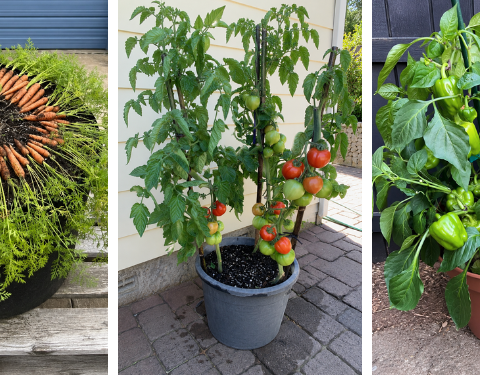
Tomatoes are one of the most popular crops among home gardeners. Whether you’re growing heirloom varieties, cherry tomatoes, or classic beefsteak types, every gardener wants strong, healthy tomato plants with abundant fruit.
While there are many fertilizers and gardening hacks out there, one natural and often overlooked method stands out: milk.
Yes, that’s right—milk can help your tomato seedlings grow like crazy. This inexpensive kitchen staple contains key nutrients and enzymes that can support plant health, prevent disease, and encourage faster, stronger growth.
In this article, we’ll explore exactly how and why to use milk as a natural fertilizer for tomato seedlings, how to apply it, and what precautions to take for best results.
Why Milk is Good for Tomato Plants
Milk is more than just a nutritious beverage—it’s a natural source of calcium, protein, and beneficial bacteria, all of which can help improve soil quality and plant development.
Here’s a breakdown of what makes milk such a powerful booster for tomato seedlings:
1. Calcium for Strong Cell Walls
Calcium is crucial for plant growth, especially in tomatoes. A calcium deficiency can lead to blossom end rot, a common issue that causes black, sunken spots on the fruit. Milk provides a readily available form of calcium that helps:
-
Build strong cell walls
-
Support root development
-
Improve overall plant vigor
2. Protein and Amino Acids
The proteins and amino acids in milk contribute to healthy plant metabolism and enzyme activity, aiding in faster seedling growth and development.
3. Lactic Acid Bacteria
Raw or unpasteurized milk contains beneficial microbes that can suppress soil-borne pathogens and promote a healthier growing environment.
4. Micronutrients
Milk contains small amounts of magnesium, potassium, phosphorus, and vitamin B, all of which contribute to healthy foliage and root development.
Benefits of Feeding Milk to Tomato Seedlings
-
Stronger roots and stems
-
Improved resistance to diseases
-
Protection against blossom end rot
-
Healthier, greener foliage
-
Natural, non-toxic, and chemical-free fertilizer
Using milk also supports organic gardening practices and helps reduce reliance on synthetic fertilizers.
What Type of Milk Should You Use?
When using milk for your tomato plants, not all milk is created equal. Here’s a quick guide to your best options:
1. Whole Milk
Contains the full fat content, which isn’t harmful to plants in small doses. Use in moderation to avoid odor or buildup.
2. Skim or Low-Fat Milk
Preferred for regular use as it reduces the risk of sour smells and doesn’t contribute as much fat content to the soil.
3. Raw Milk
Unpasteurized milk is high in beneficial bacteria and nutrients, making it excellent for use in compost tea or foliar sprays. However, it’s less available to most gardeners.
4. Expired Milk
Slightly expired milk (1–2 days past date) is usually still good for garden use. Just ensure there’s no mold, clumping, or foul odor.
Avoid: Flavored, sweetened, or plant-based milks (like almond or oat milk). These contain additives, sugars, or oils that may harm seedlings or attract pests.
How to Feed Milk to Tomato Seedlings
Milk can be applied to tomato seedlings in several ways. The most effective methods are dilution and direct soil application, along with occasional foliar spraying.
1. Milk and Water Solution (Soil Drench)
This is the most common and safest way to apply milk to your tomato seedlings.
Steps:
-
Mix 1 part milk (skim or whole) with 2 parts water.
-
Pour the diluted milk at the base of each seedling until the soil is moist, not soaked.
-
Apply every 7–10 days during the early stages of seedling development.
This method improves calcium uptake and builds stronger roots and stems.
2. Milk as a Foliar Spray
Milk can also be sprayed directly onto the leaves to prevent fungal diseases like powdery mildew and boost leaf health.
How to use:
-
Mix 1 part milk with 2–3 parts water in a spray bottle.
-
Lightly mist the leaves (top and bottom) in the early morning or late afternoon.
-
Avoid spraying during the heat of the day to prevent sunscald.
Use this method once every 10–14 days.
3. Compost Booster
You can also pour diluted milk into your compost pile to encourage microbial activity, which eventually feeds your seedlings when compost is added to the soil.
When to Start Feeding Milk to Tomato Seedlings
Begin feeding milk when your tomato seedlings have at least two sets of true leaves (usually 2–3 weeks after germination). Applying too early—especially to delicate seedlings—can cause root issues or mold.
Continue feeding milk during the seedling stage and early transplant period to maximize growth benefits. Once the plants are established in the garden, you can switch to traditional tomato fertilizers or compost for long-term support.
Precautions When Using Milk in the Garden
While milk can do wonders for tomato seedlings, overuse or improper application can cause problems:
1. Avoid Overwatering
Milk should not replace regular watering. Always apply milk in addition to, not in place of, water, and allow soil to dry slightly between feedings.
2. Prevent Odor and Mold
-
Use diluted milk only—straight milk can spoil and cause a sour smell.
-
Avoid drenching foliage too often to reduce the risk of fungal growth.
-
Use expired milk cautiously and always smell-test before using.
3. Monitor for Pests
Sugars in milk can attract ants or flies if left to rot. Clean up any excess milk from leaves or containers.
Complementary Natural Fertilizers to Pair with Milk
While milk offers excellent benefits, combining it with other organic feeding methods can lead to even better results:
-
Crushed eggshells: Boost calcium naturally and complement milk’s benefits
-
Banana peel tea: High in potassium, a nutrient tomatoes love
-
Fish emulsion: Offers a full spectrum of nutrients for rapid growth
-
Epsom salts: Add magnesium and sulfur to promote green leaves
Use these in rotation with milk feedings to create a well-rounded feeding schedule.
Feeding milk to your tomato seedlings is an easy, natural, and affordable way to promote rapid, healthy growth.
With its rich calcium content, beneficial bacteria, and ability to prevent common diseases like blossom end rot, milk is a garden secret that deserves more attention.
Just remember to use it in moderation, dilute properly, and monitor your plants for any changes.
When used correctly, this everyday kitchen item can give your tomato seedlings the boost they need to thrive—turning them into strong, fruit-bearing champions by the time the growing season is in full swing.
So, the next time you have a bit of milk to spare, don’t throw it out—feed it to your tomatoes and watch them grow like crazy.