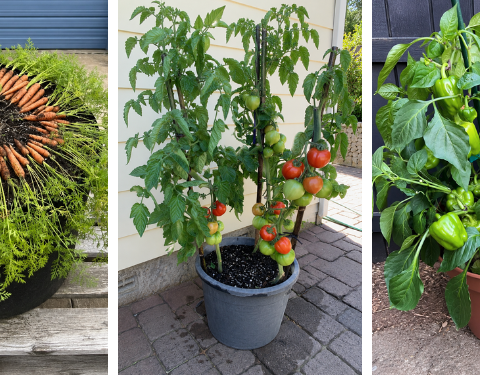
Growing peppers in hanging plastic bags is a space-saving and creative gardening technique that’s perfect for small spaces, urban gardeners, or anyone looking for a unique way to cultivate fresh produce.
Peppers thrive in hanging bags when provided with the right care, and this method also prevents common issues like soil-borne pests and diseases.
Whether you’re growing sweet bell peppers or spicy chilies, this detailed guide will help you succeed.
Benefits of Growing Peppers in Hanging Plastic Bags
- Space-Saving: Ideal for balconies, patios, or small gardens.
- Better Drainage: Hanging bags prevent overwatering by allowing excess water to drain easily.
- Improved Air Circulation: Keeps plants healthy and reduces the risk of fungal diseases.
- Pest Control: Elevating plants makes them less accessible to ground-dwelling pests.
- Aesthetic Appeal: Adds a vertical gardening element to your outdoor space.
Materials You’ll Need
To get started, gather the following supplies:
- Sturdy Plastic Bags: Use heavy-duty grow bags or reusable plastic bags with handles. Ensure they can hold soil without tearing.
- Potting Mix: Use a lightweight, nutrient-rich potting soil mixed with compost or organic matter.
- Pepper Seeds or Seedlings: Choose your favorite variety of peppers (bell, jalapeño, cayenne, etc.).
- Fertilizer: A balanced, slow-release fertilizer or liquid feed.
- Watering Can: For regular watering.
- Scissors: To cut drainage holes.
- Twine or Hooks: For hanging the bags securely.
Step-by-Step Guide to Growing Peppers in Hanging Plastic Bags
1. Select the Right Pepper Variety
Not all peppers are equally suited for hanging bags. Compact and bushy varieties work best, as they won’t grow too large or heavy. Great options include:
- Bell Peppers: Mini Bell, California Wonder.
- Hot Peppers: Jalapeño, Thai Chili, Cayenne.
- Ornamental Peppers: Numex Twilight, Medusa (both decorative and edible).
2. Prepare the Plastic Bag
- Choose a plastic bag that is durable enough to hold soil and withstand outdoor conditions.
- Use scissors to poke several small drainage holes in the bottom of the bag to prevent waterlogging.
- If the bag doesn’t have handles, attach twine or a sturdy strap to hang it securely.
3. Prepare the Soil
Peppers thrive in loose, well-draining soil that is rich in nutrients.
- Mix potting soil with compost or organic matter in a 3:1 ratio.
- Add perlite or vermiculite for improved drainage and aeration.
- Incorporate a slow-release fertilizer into the soil before planting.
4. Plant the Pepper Seedlings
- Option 1: Plant Seeds: Sow pepper seeds directly into the bag, about 1/4 inch deep. Keep the soil moist until germination (7–14 days).
- Option 2: Transplant Seedlings: Make a small hole in the soil and carefully place the seedling, ensuring the root ball is covered. Leave 2–3 inches of space at the top of the bag to prevent soil overflow when watering.
5. Hang the Bag
- Choose a sunny location that gets 6–8 hours of sunlight daily. Peppers thrive in warm, bright conditions.
- Use sturdy hooks, brackets, or strong nails to hang the bag securely. Ensure it is high enough to allow proper drainage and easy access for watering.
6. Watering and Fertilizing
- Watering:
- Peppers need consistent moisture, but overwatering can lead to root rot. Water when the top 1–2 inches of soil feel dry.
- Water slowly to ensure even absorption and prevent excess runoff.
- Fertilizing:
- Feed the plants every 2–3 weeks with a balanced liquid fertilizer (10-10-10).
- Switch to a high-potassium fertilizer (like 5-10-10) when flowers and fruits appear to encourage better fruiting.
7. Pruning and Maintenance
- Pruning: Remove any yellowing leaves or damaged stems to encourage healthy growth. Pinch off the growing tips when the plant reaches a manageable size to promote bushier growth.
- Supporting Fruit: For larger peppers, use small twine or ties to secure heavy fruits to the bag or surrounding structures to prevent strain on the plant.
- Weeding: Growing in a hanging bag minimizes weed problems, but remove any that do appear.
8. Pollination
Peppers are self-pollinating, but you can increase fruit production by aiding pollination. Gently shake the plant or use a small brush to transfer pollen between flowers.
9. Harvesting
- Timing: Harvest peppers when they reach their mature size and color. For most varieties, this takes 60–90 days after planting.
- How to Harvest: Use scissors or garden shears to cut the pepper stem to avoid damaging the plant. Regular harvesting encourages the plant to produce more fruit.
Common Problems and Solutions
1. Yellowing Leaves
- Cause: Overwatering or nutrient deficiencies.
- Solution: Adjust watering frequency and fertilize with a balanced feed.
2. Blossom End Rot
- Cause: Calcium deficiency or uneven watering.
- Solution: Maintain consistent moisture levels and add calcium to the soil if needed.
3. Aphids and Spider Mites
- Cause: Common pests in warm, dry conditions.
- Solution: Spray with insecticidal soap or neem oil to control infestations.
4. Slow Growth
- Cause: Insufficient sunlight or cold temperatures.
- Solution: Ensure plants receive at least 6 hours of sunlight and are kept in temperatures above 65°F (18°C).
Advantages of Growing Peppers in Hanging Bags
- Mobility: Move bags easily to chase sunlight or protect from harsh weather.
- Better Drainage: Prevents root rot by allowing excess water to escape.
- Creative Gardening: Adds vertical interest and saves ground space.
- Reduced Pests: Elevating plants keeps them out of reach of ground pests like slugs.
Tips for Success
- Rotate Bags: Turn the hanging bag occasionally to ensure even sunlight exposure.
- Companion Planting: Grow basil, marigolds, or onions nearby to deter pests.
- Insulate for Cold Weather: If temperatures drop, bring the bags indoors or cover them to protect the plants.
Growing peppers in hanging plastic bags is a fun and innovative way to cultivate fresh produce at home.