Few garden experiences are as satisfying as digging into the earth at harvest time and finding plump, beautiful potatoes waiting beneath the soil.
Growing potatoes is both fun and rewarding, but if you want to truly maximize your harvest and produce robust, healthy tubers, the secret often lies beneath the surface – in what you put into your planting hole.
Potatoes are heavy feeders and thrive when the soil around them is rich, loose, and well-nourished.
While compost and good garden soil provide a strong foundation, adding specific natural amendments directly into your planting hole can dramatically improve plant health, boost tuber size, and even help repel pests.
Here’s a closer look at ten excellent additives you can incorporate into your potato planting routine to help ensure a bountiful crop.
1. Humus
Humus is one of the best friends any gardener can have. It’s the dark, nutrient-rich organic matter left behind after plant and animal materials decompose fully.
Incorporating humus into your potato planting holes improves soil structure, enhances moisture retention, and provides slow-release nutrients that potatoes love.
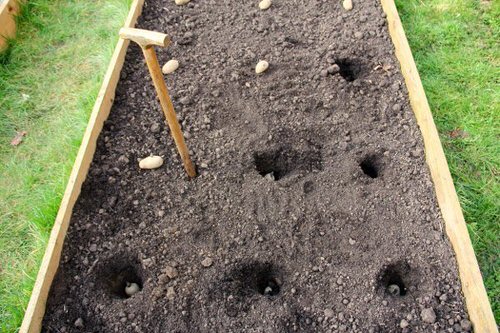
Adding two to four generous handfuls of humus into each planting hole creates a welcoming environment for developing roots.
The humus helps keep the soil loose and airy, allowing tubers to expand without resistance. It also teems with beneficial microorganisms that promote healthy root growth and protect against soil-borne diseases.
2. Eggshells
Don’t toss those breakfast eggshells into the trash – save them for your garden! Crushed eggshells are a fantastic source of calcium, an essential nutrient for healthy plant growth and strong cell walls.
Calcium helps prevent a condition called hollow heart, where potatoes develop internal brown spots or hollow cavities.
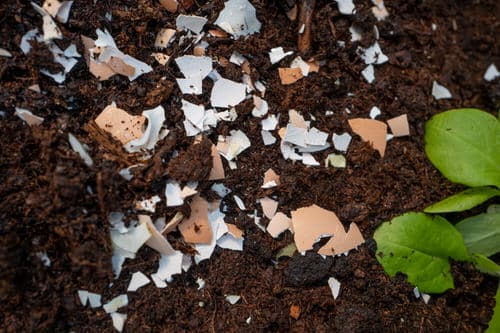
To use eggshells, simply rinse and dry them after cracking, then crush them into small pieces. Sprinkle three to four crushed eggshells into each planting hole.
Over time, these shells break down and release calcium slowly into the soil, nourishing your plants while also helping to deter slugs and snails that might otherwise nibble on young potato shoots.
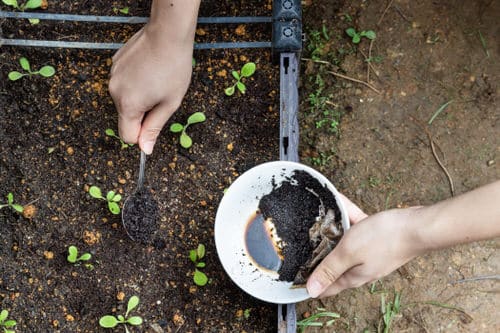
3. Coffee Grounds
Many gardeners consider used coffee grounds black gold for the garden, and potatoes are no exception. Coffee grounds are slightly acidic, which can help maintain the mildly acidic soil conditions potatoes prefer.
They also contain a wide range of nutrients, including nitrogen, phosphorus, potassium, calcium, magnesium, and iron.
To give your potatoes a nutritious kick-start, add a small handful of used coffee grounds to each planting hole.
The grounds also improve soil texture, helping to create the loose, crumbly conditions potatoes love. Just be sure not to overdo it; too much can overly acidify the soil.
4. Epsom Salt
Epsom salt, a natural mineral compound of magnesium sulfate, is an inexpensive yet powerful tool for potato growers.
Magnesium plays a critical role in photosynthesis, helping plants convert sunlight into energy. It also strengthens cell walls, leading to sturdier plants and better tuber formation.
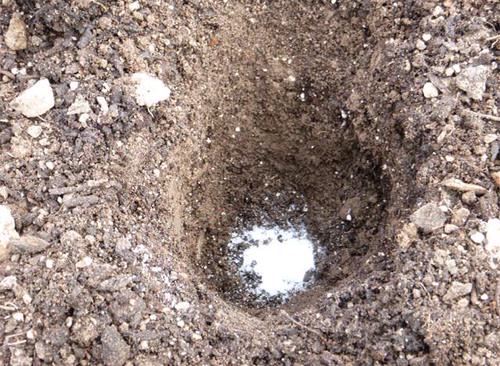
Adding one to two teaspoons of Epsom salt into each planting hole can help ensure your potato plants receive the magnesium they need.
Dissolving the salt in a little water before pouring it into the hole can help distribute the mineral evenly around developing roots.
5. Fish Heads
It might sound unconventional, but fish heads have been used as garden fertilizer for centuries. They’re incredibly nutrient-dense, rich in nitrogen, phosphorus, and trace minerals essential for plant health.
Burying a fish head a few inches beneath each potato seed piece provides a slow-release fertilizer that feeds plants as it decomposes.
The nutrients seep into the surrounding soil, promoting vigorous growth and helping plants develop strong roots and large tubers.
If using this method, ensure the fish heads are well buried to avoid attracting animals or producing unwanted odors.

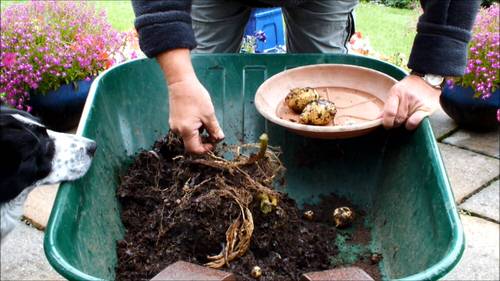
6. Seaweed
Seaweed has long been treasured as an all-purpose soil amendment, especially in coastal gardening traditions.
Packed with essential trace minerals, growth hormones, and natural compounds that improve soil structure, seaweed can help potato plants grow bigger and healthier.
Adding chopped fresh or dried seaweed into your planting hole provides a gentle, balanced fertilizer that boosts growth and helps plants resist pests and diseases.
Seaweed also encourages strong root systems and enhances tuber quality. For best results, rinse fresh seaweed to remove excess salt before using it in the garden.
7. Bone Meal
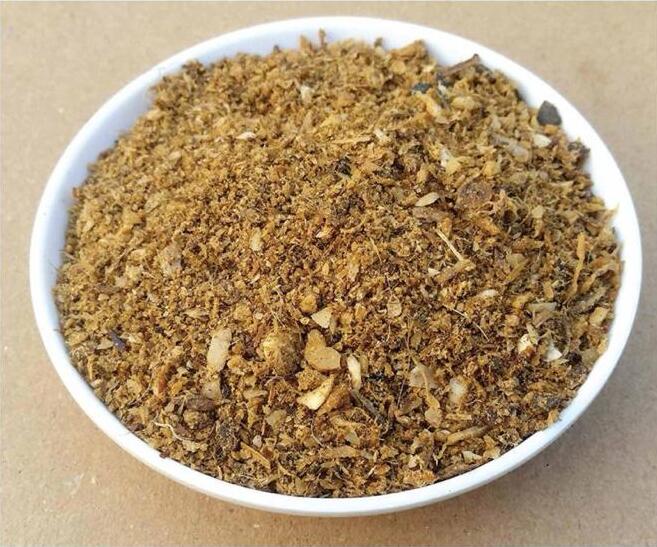
Bone meal is an organic fertilizer made from finely ground animal bones and is an excellent source of phosphorus and calcium – both crucial for root and tuber development.
Phosphorus encourages strong root systems and healthy flowering, while calcium contributes to sturdy cell walls.
When planting potatoes, add two to four tablespoons of bone meal into each hole. This gentle, slow-release fertilizer provides ongoing nourishment throughout the growing season, helping ensure a bountiful harvest of firm, healthy tubers.
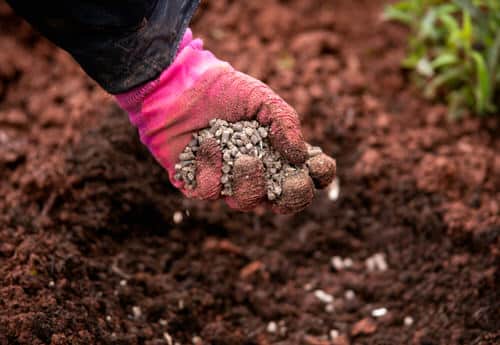
8. Manure
Manure has been used to enrich soil for centuries, and potatoes benefit greatly from its rich nutrient content.
Well-aged manure from cows, chickens, or horses improves soil texture, enhances moisture retention, and delivers a balanced blend of nitrogen, phosphorus, and potassium.
To avoid burning your plants, always use fully composted manure rather than fresh manure, which can be too strong and may contain pathogens.
Mixing two to six tablespoons of composted manure into each planting hole can significantly boost soil fertility, supporting vigorous growth and larger harvests.
9. Cottonseed Meal
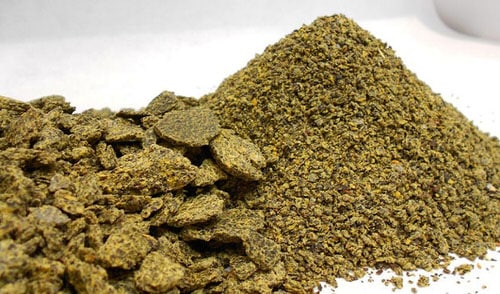
Cottonseed meal is a byproduct of cotton processing and makes a superb slow-release fertilizer for potatoes. It provides a mild boost of nitrogen and helps maintain soil acidity – a key factor for thriving potato crops.
Adding just one small spoonful of cottonseed meal into each planting hole can help build humic acid in the soil, supporting strong, healthy plant growth.
Cottonseed meal also encourages beneficial microbial activity, improving overall soil health.
10. Diluted Bird Droppings
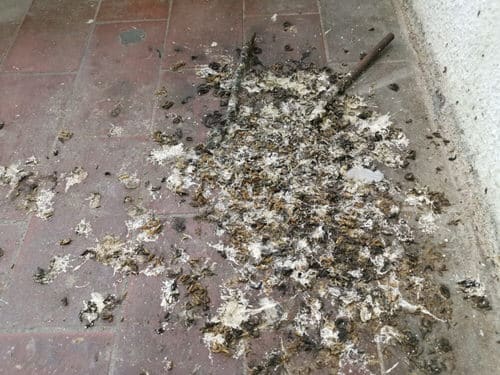
Bird droppings are one of nature’s most concentrated organic fertilizers, loaded with nitrogen, phosphorus, and potassium.
However, they’re too strong to be applied directly to planting holes in raw form and can burn plant roots if not handled properly.
To harness their power safely, collect bird droppings and dilute them with water in a 1:1 ratio. Stir well and allow the mixture to settle.
Use the resulting liquid fertilizer sparingly, pouring a small amount into each planting hole. This method provides a potent nutrient boost that helps potatoes grow rapidly and produce large, robust tubers.
Why These Additives Matter
Each of these ten ingredients offers unique benefits, but they share a common purpose: creating an ideal environment for potato plants to thrive.
Healthy potatoes grow best in soil that is rich, loose, and teeming with nutrients.
Adding these natural materials to your planting holes helps:
- Provide essential nutrients in a slow-release form
- Improve soil texture for easier tuber expansion
- Protect plants from pests and diseases
- Maintain proper soil pH
- Encourage beneficial soil microbes
Incorporating one or more of these additives into your potato planting routine can transform an average harvest into an exceptional one.
Tips for Success
- Always mix additives thoroughly with the surrounding soil to avoid creating concentrated pockets that could burn tender roots.
- Avoid adding excessive amounts of any single amendment, as balance is key for plant health.
- Monitor your soil’s pH, especially if you’re using materials like coffee grounds or cottonseed meal, which can lower acidity levels.
- Choose organic, chemical-free materials whenever possible to ensure your garden remains a healthy, natural environment.
Potatoes are a joy to grow, and watching your plants transform from small seed pieces into leafy, flowering bushes – and finally into a harvest of hidden treasures beneath the soil – is one of the most satisfying experiences for any gardener.
By enriching your planting holes with these natural boosters, you’ll give your potatoes the best possible start in life.