There’s something irresistibly eye-catching about a plant with glossy, waxy leaves. These dazzling beauties reflect light, creating an almost polished look that instantly elevates any room.
Whether your interior style is modern minimalist, boho chic, or classic elegance, plants with shiny foliage bring life, color, and a touch of luxury into your space.
The secret behind that glossy appearance is the cuticle – a natural wax-like layer that coats the leaves, fruits, or stems of certain plants.
This cuticle doesn’t just make plants look gorgeous; it also protects them from water loss, pests, and disease. In short, waxy leaves aren’t just beautiful—they’re practical, too.
If you’re looking to make your home feel more vibrant and sophisticated, these 10 incredible plants with waxy leaves are perfect choices. Let’s explore what makes each of them special!
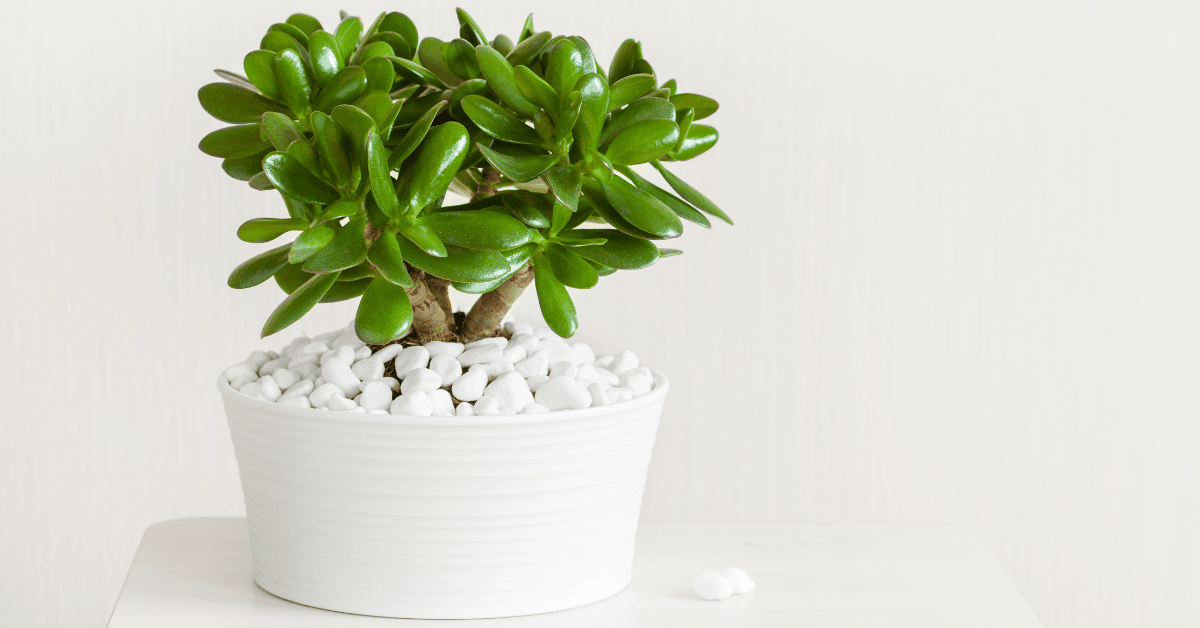
1. Jade Plant (Crassula ovata)
Few plants are as iconic and beloved as the jade plant. Often associated with good luck and prosperity, this succulent features thick, oval-shaped leaves with a rich green color and a smooth, glossy surface.
When exposed to bright light, the edges of the leaves often develop a reddish tinge, adding even more visual interest.
Why Grow It?
- Extremely low maintenance
- Stores water in its fleshy leaves, making it drought-tolerant
- Slow-growing and easy to shape into a small bonsai-like tree
- Can live for decades and become a treasured heirloom
Jade plants thrive on neglect. They prefer bright, indirect light and only occasional watering when the soil is completely dry.
2. Wax Plant (Hoya carnosa)
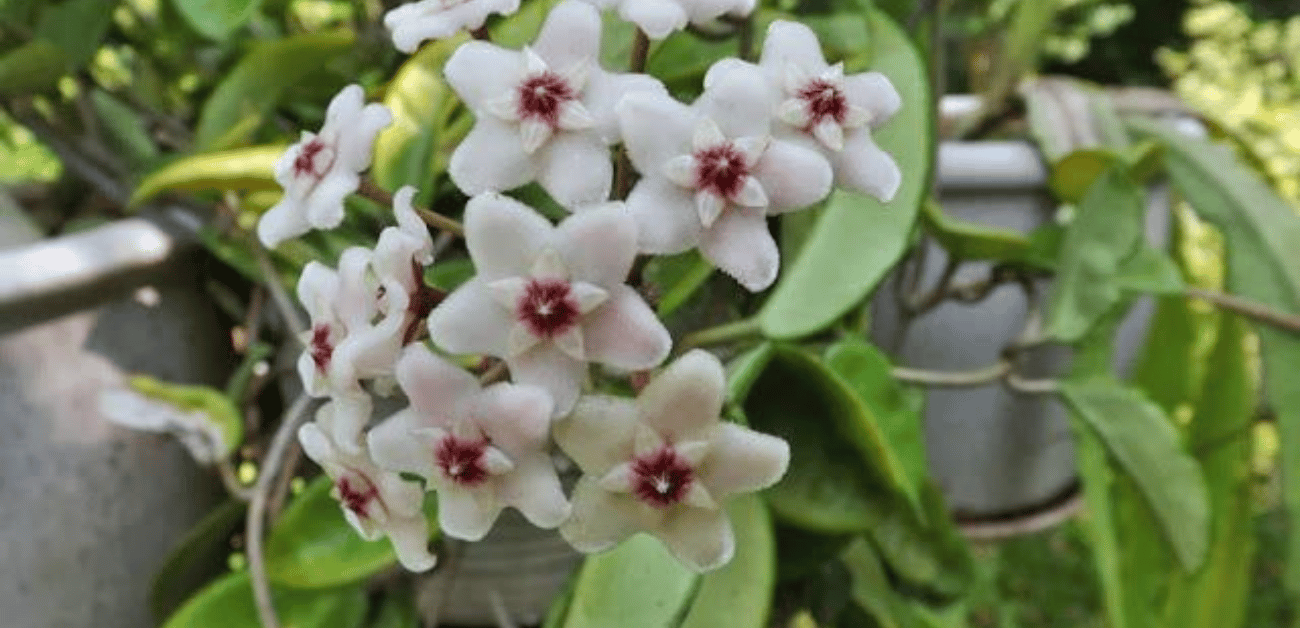
The wax plant, also known as Hoya, is famous for its thick, glossy leaves and clusters of star-shaped flowers that look as though they’re sculpted from porcelain.
Many people mistake Hoyas for artificial plants because their leaves appear so perfect and shiny.
Why Grow It?
- Gorgeous, fragrant blooms
- Excellent for hanging baskets due to its trailing vines
- Thrives in bright, indirect light
- Drought-tolerant and easy to propagate
Hoyas love humidity and are great choices for kitchens or bathrooms where the air stays slightly moist.
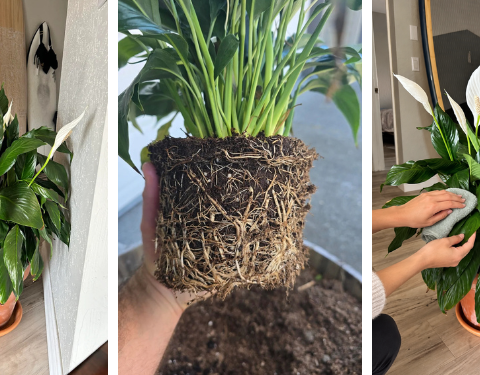
3. Peace Lily (Spathiphyllum wallisii)
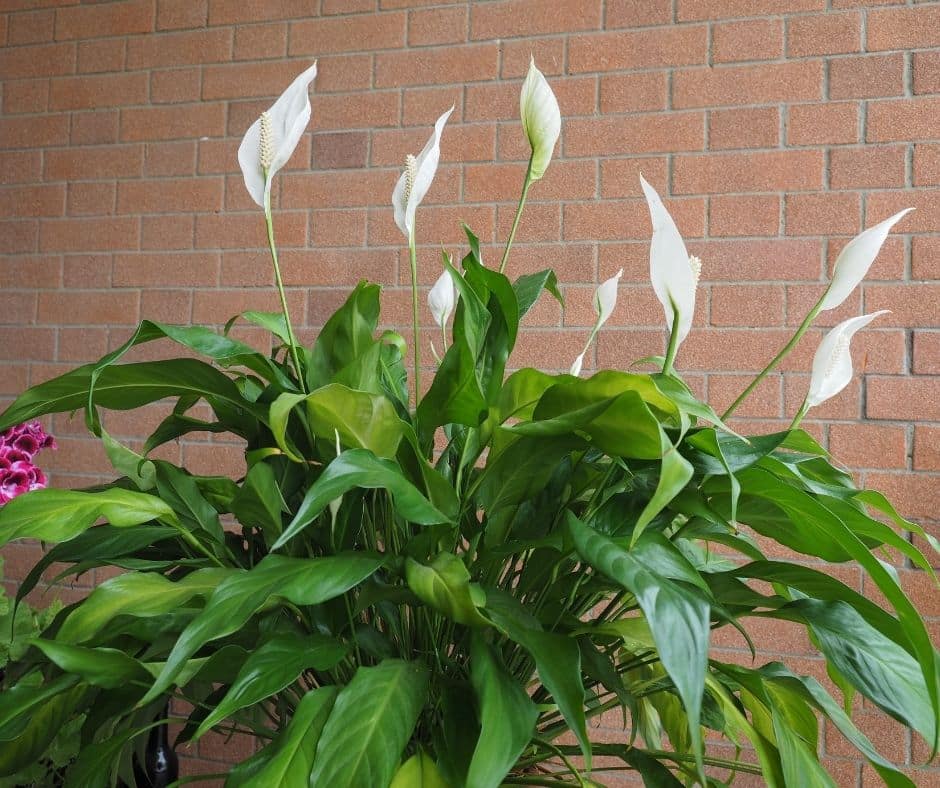
Peace lilies are the epitome of elegance with their broad, glossy, dark-green leaves and stunning white spathes that resemble calla lilies.
They’re famous for being one of NASA’s top air-purifying plants, helping to remove toxins from indoor environments.
Why Grow It?
- Beautiful white flowers bloom several times a year
- Thrives in low to medium light
- Excellent air purifier
- Easy to care for with moderate watering needs
Peace lilies slightly droop when thirsty, serving as an easy reminder to water them.
4. Alocasia Polly (Alocasia × amazonica)
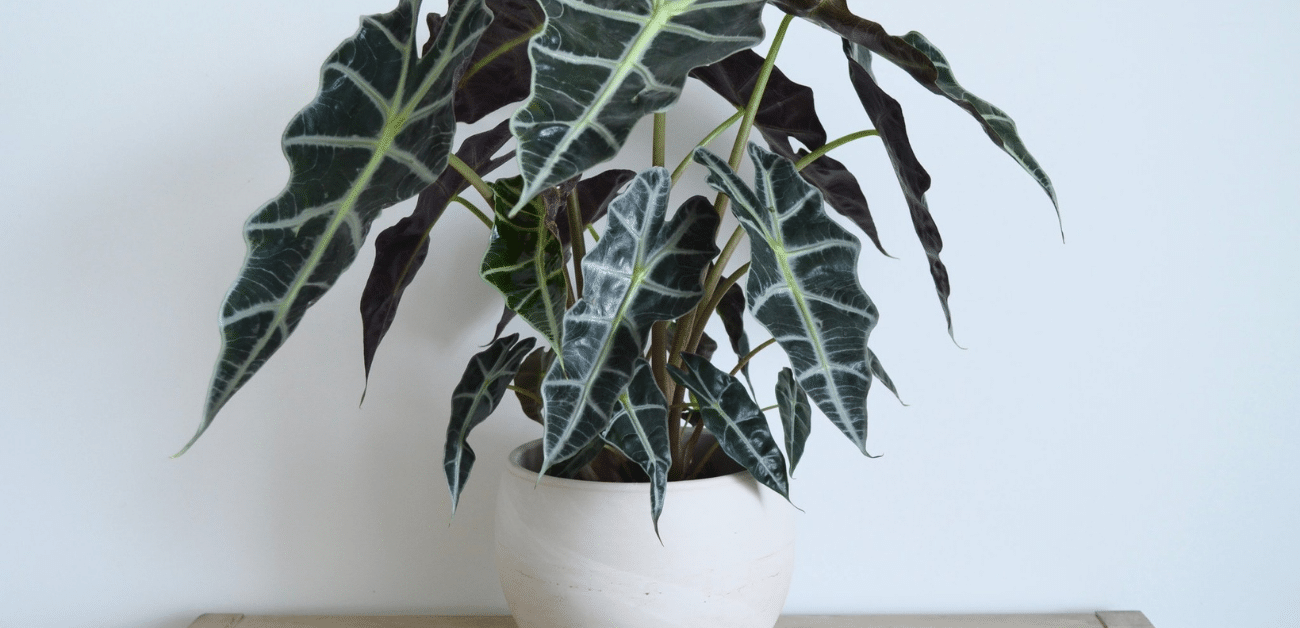
Few plants have leaves as dramatic as the Alocasia Polly. Its dark, arrowhead-shaped leaves have striking silver or white veins that look almost painted.
The leaf surface has a glossy sheen that makes it shine even more under bright, indirect light.
Why Grow It?
- Tropical statement plant
- Adds a bold, sculptural element to any room
- Rapid growth in warm, humid conditions
- Beautiful contrast between dark leaves and light veins
Alocasia Polly enjoys high humidity and consistent moisture – but never soggy soil.
5. Dwarf Umbrella Tree (Schefflera arboricola)
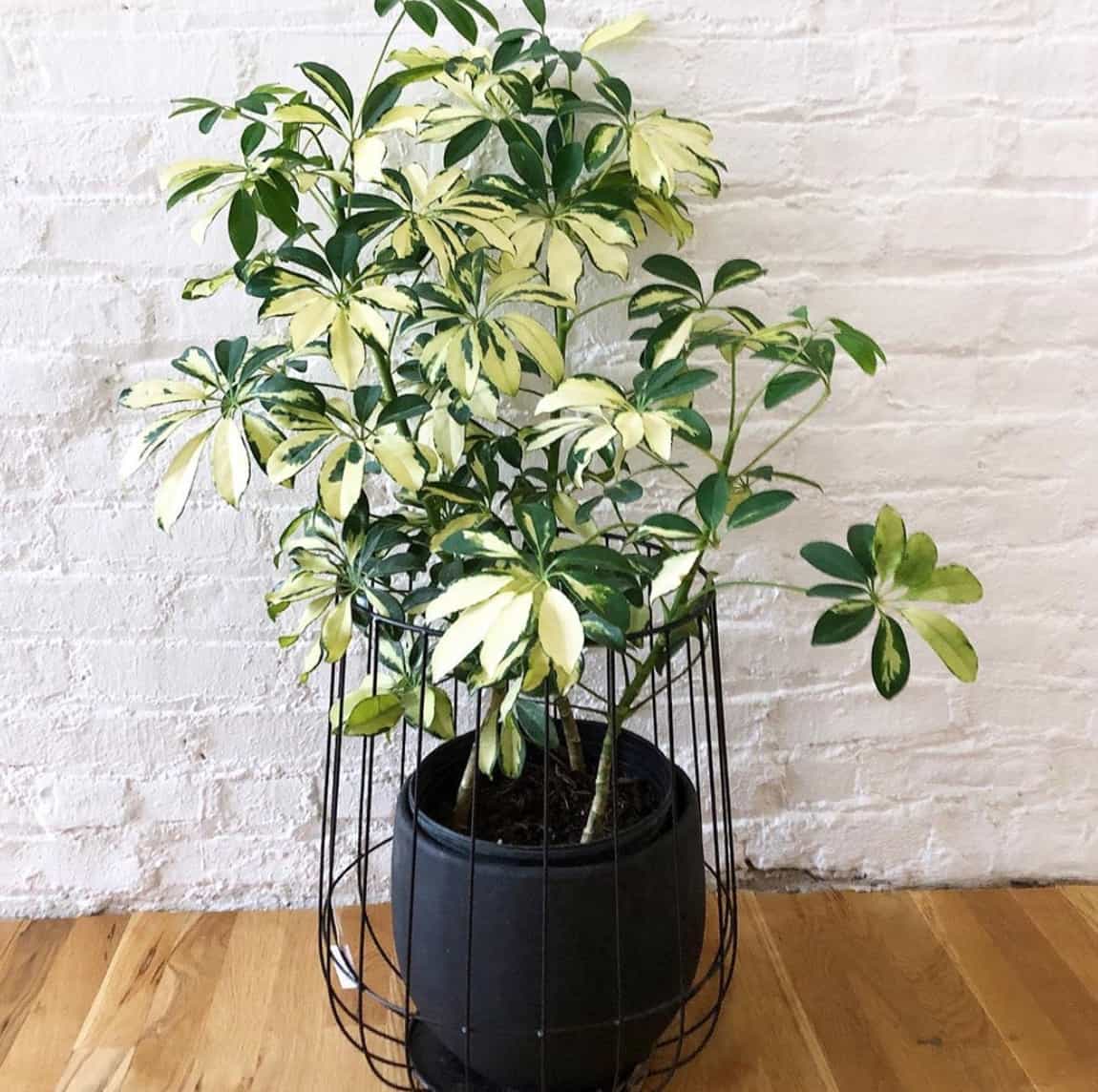
The dwarf umbrella tree is popular both as a houseplant and for indoor landscaping. It gets its name from its leaf arrangement: glossy leaflets radiating like spokes on an umbrella.
Why Grow It?
- Attractive, shiny foliage
- Tolerates a range of lighting conditions
- Easy to prune and shape
- Can grow as a small bush or taller indoor tree
Schefflera adds lush, tropical vibes to living rooms and offices and is surprisingly forgiving of occasional neglect.
6. Swiss Cheese Plant (Monstera deliciosa)
The Swiss cheese plant is a tropical classic, prized for its massive, glossy leaves adorned with natural splits and holes.
It’s called “Swiss cheese” because of the fenestrations in its leaves, which give it a uniquely artistic appearance.
Why Grow It?
- Large, dramatic leaves perfect for making a statement
- Effective air purifier
- Fast-growing and easy to maintain
- Can grow over 10 feet tall indoors under the right conditions
Monstera deliciosa thrives in bright, indirect light and appreciates regular watering once the top inch of soil dries out.
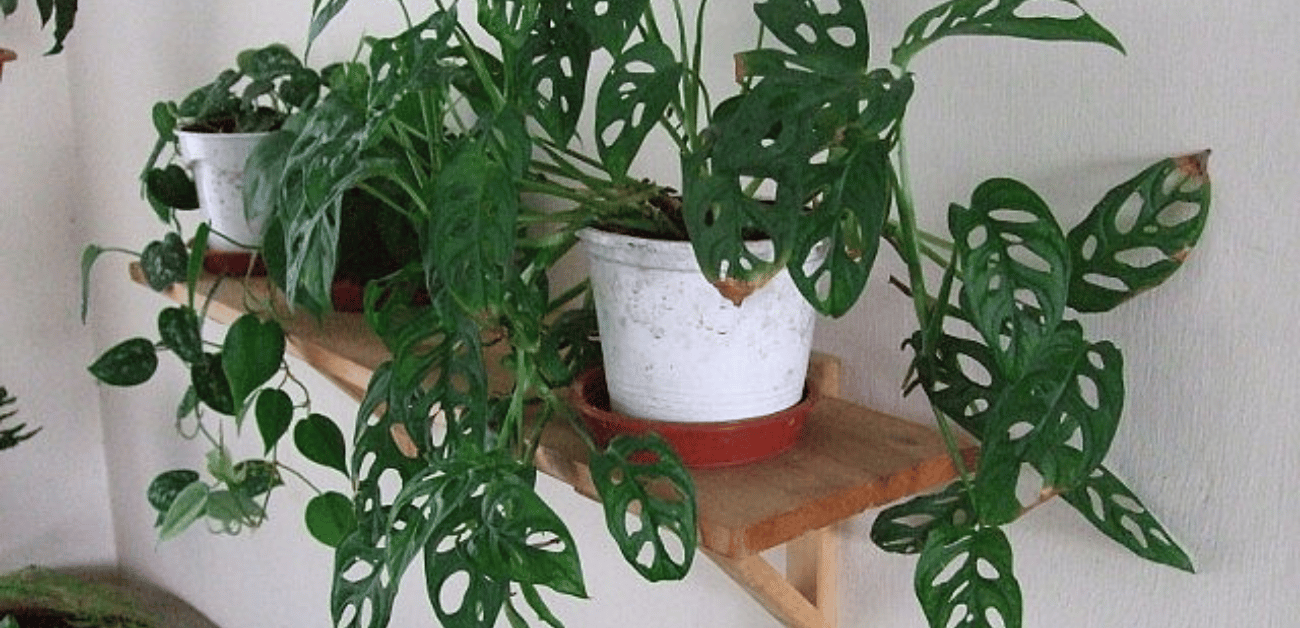
7. Heartleaf Philodendron (Philodendron hederaceum)
The heartleaf philodendron is a timeless favorite for indoor spaces, featuring glossy, heart-shaped leaves in deep green.
Despite their sophisticated look, these vines are some of the easiest houseplants to grow.
Why Grow It?
- Extremely low maintenance
- Tolerates low light and occasional neglect
- Trailing vines perfect for shelves or hanging baskets
- Helps remove toxins like formaldehyde from the air
Philodendrons can spread vines up to 20 feet long, making them great for covering vertical spaces.
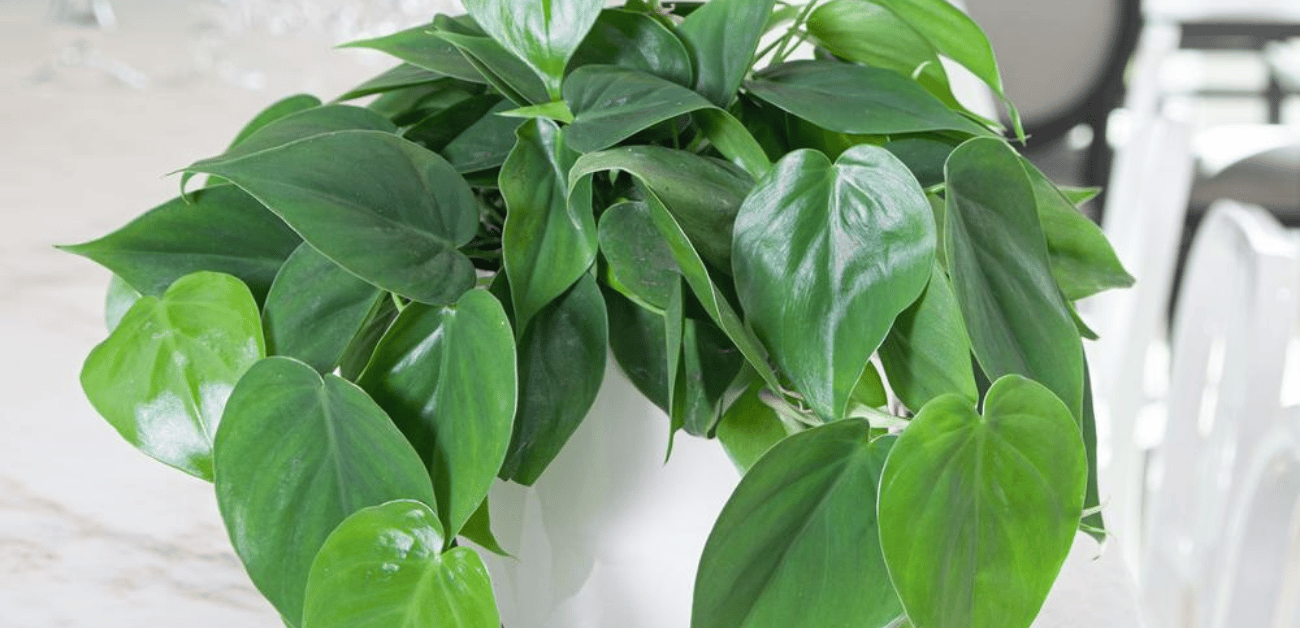
8. Rubber Plant (Ficus elastica)
The rubber plant is a stunning houseplant that makes a big impact with its thick, glossy leaves.
Depending on the variety, the leaves can be deep green, burgundy, or even variegated with shades of cream and pink.
Why Grow It?
- Striking foliage adds height and drama to any room
- Excellent for bright rooms with indirect sunlight
- Air-purifying abilities
- Can be pruned to maintain the desired size
Rubber plants prefer their soil to dry out slightly between waterings and dislike sudden changes in temperature.
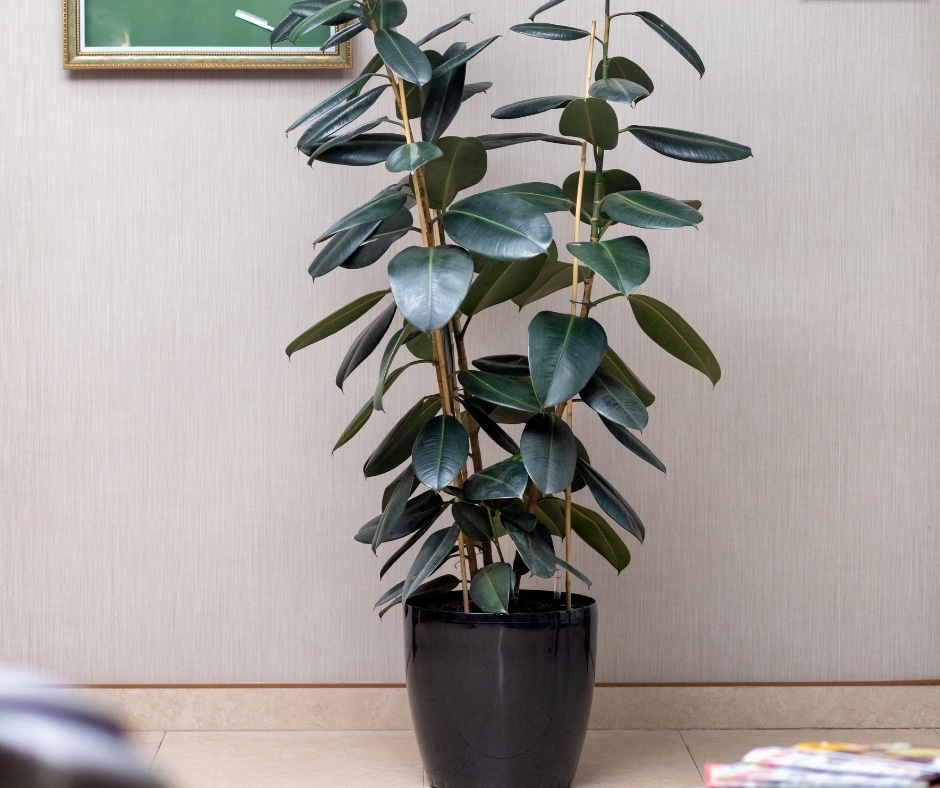
9. Flaming Katy (Kalanchoe blossfeldiana)
Flaming Katy is a cheerful succulent known for its glossy, dark-green leaves and vibrant clusters of small flowers in shades of red, pink, orange, or yellow.
The waxy leaves help the plant retain moisture, making it drought-tolerant.
Why Grow It?
- Blooms last for several weeks, often during winter
- Compact size perfect for windowsills or desks
- Requires minimal watering
- Bright, waxy leaves look great year-round
Kalanchoe prefers bright light and should only be watered when the soil has dried out completely.
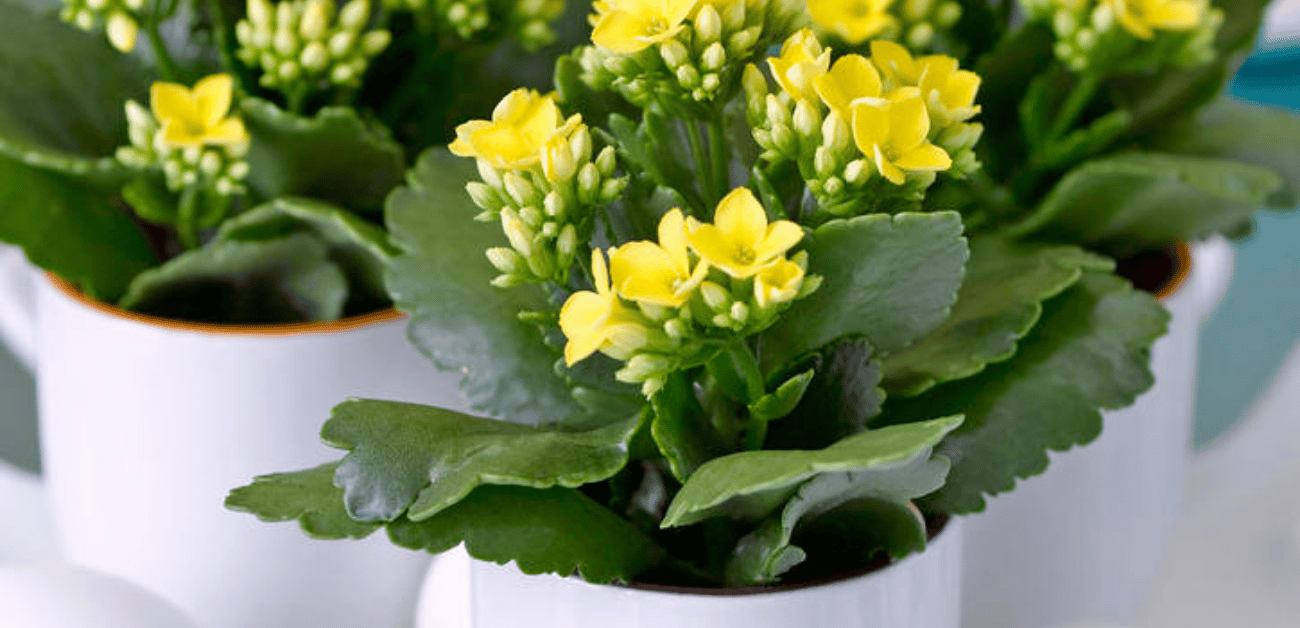
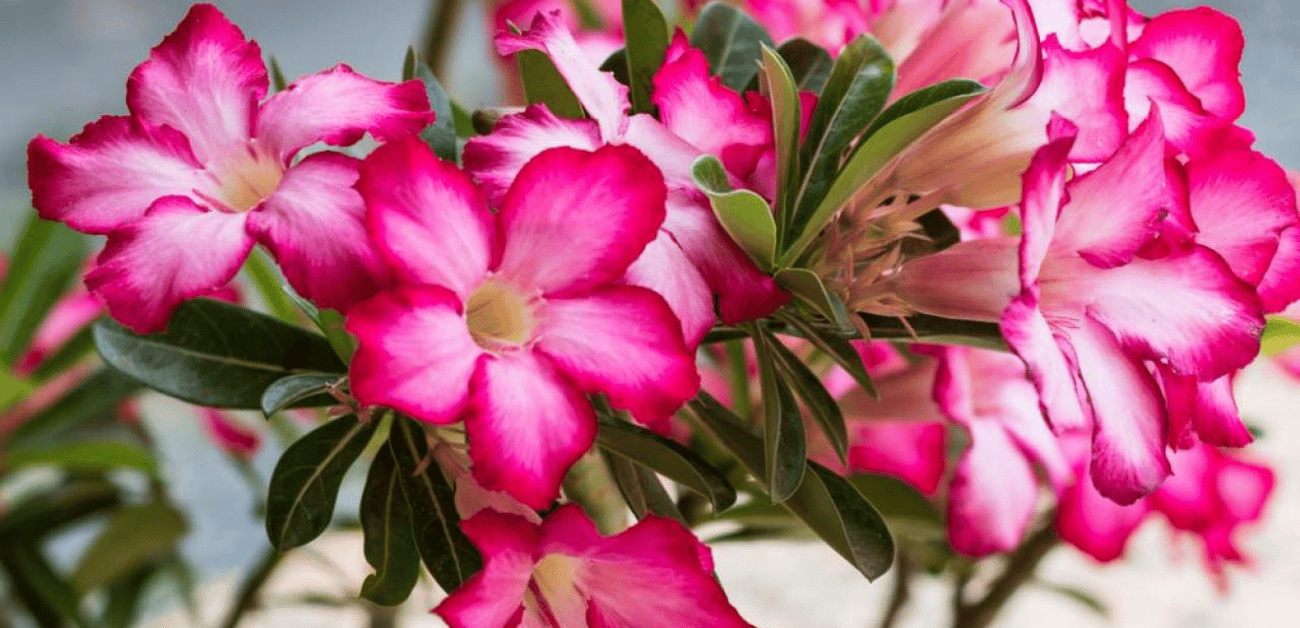
10. Desert Rose (Adenium obesum)
The desert rose is an extraordinary plant admired for its sculptural, swollen base and its lush, glossy leaves clustered at the ends of its branches.
When it blooms, it produces trumpet-shaped flowers in pink, red, or white.
Why Grow It?
- Striking bonsai-like appearance
- Gorgeous, vivid flowers
- Prefers bright sunlight and warm temperatures
- Minimal watering needs
Desert rose is excellent for sunny windows or patios and makes a beautiful statement plant.
The Secret Behind Shiny Leaves
All these stunning plants have one feature in common: a waxy cuticle that covers their leaves.
This natural layer is made of cutin and waxes, substances that protect the plant from:
- Excess water loss
- Harmful pathogens
- UV radiation
- Dust and pollutants
The wax layer not only safeguards plants but also gives them their beautiful, reflective sheen. It’s nature’s way of combining beauty with function.
How to Keep Your Plants Glossy and Healthy
While these plants naturally have waxy leaves, keeping them clean enhances their shine and helps them breathe.
Here’s how to care for shiny-leaved plants:
- Wipe leaves gently with a soft, damp cloth every few weeks.
- Avoid commercial leaf shine sprays, which can clog pores.
- Keep humidity levels appropriate for tropical varieties.
- Don’t overwater, as shiny-leaved plants often store water in their thick leaves.
Adding plants with glossy, waxy leaves is one of the easiest ways to elevate your home’s atmosphere.
Whether you prefer towering rubber plants or trailing philodendrons, these beauties combine elegance and resilience.