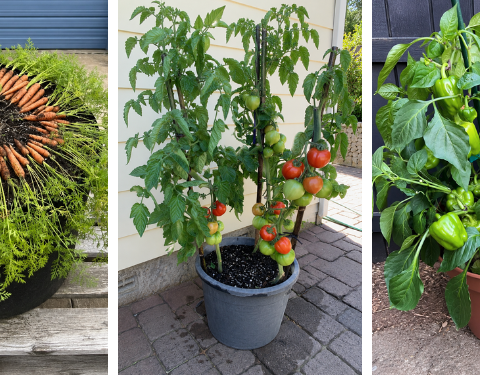
Starting a garden can feel overwhelming for beginners, especially when choosing what to plant.
The good news is, not all crops are high maintenance. In fact, many fruits and vegetables require little more than sun, water, and patience.
These easy-to-grow options are ideal for busy people, those with limited gardening experience, or anyone looking for a reliable harvest without a steep learning curve.
Whether you’re growing in raised beds, containers, or a small backyard plot, here are 20 low-maintenance fruits and vegetables that offer big rewards with minimal fuss.
1. Radishes
Radishes are one of the quickest-growing vegetables, maturing in as little as 25 to 30 days. They’re virtually pest-resistant, thrive in cool temperatures, and require little more than loose, well-draining soil and regular watering.
Sow seeds directly into the soil in early spring or fall, about 1/2 inch deep and 1 inch apart. Thin seedlings to avoid crowding, and enjoy crispy, spicy roots within a few weeks.
2. Lettuce
Leaf lettuces are perfect for containers and small spaces. They prefer cooler temperatures and partial shade, especially in warmer regions.
Sow seeds directly into moist, well-drained soil and thin seedlings to allow airflow. Water consistently to prevent bolting. Harvest outer leaves as needed, and the plant will keep producing.
3. Zucchini
Zucchini is a summer squash that thrives in warm weather. Plant in full sun with well-drained, fertile soil. Space plants at least 2 feet apart.
Zucchini is incredibly productive – just one or two plants can provide a generous yield. Keep soil moist and harvest fruits when they’re 6–8 inches long for best flavor.
4. Green Beans
Bush and pole beans are both beginner-friendly. Beans do best in full sun and well-draining soil. Sow seeds directly into the garden after the last frost.
Bush beans don’t require support and mature in about 50–60 days, while pole beans need a trellis and take slightly longer. Water at the base and pick beans regularly to encourage more production.
5. Cherry Tomatoes
Cherry tomatoes are prolific and easy to grow in containers or the ground. Choose disease-resistant varieties and plant in full sun.
Use well-draining soil and add compost or organic fertilizer. Water consistently and support the plant with cages or stakes. Harvest when the fruit is firm and brightly colored.
6. Cucumbers
Cucumbers thrive in warm weather and need plenty of sunlight. Start seeds indoors or direct sow into the garden after frost.
Use trellises to save space and improve air circulation. Keep soil evenly moist and harvest when cucumbers are still young and tender to avoid bitterness.
7. Swiss Chard
Swiss chard is a colorful and resilient green that grows well in cool or warm climates. Sow seeds directly in well-drained soil and thin seedlings to 6–12 inches apart.
Water regularly and harvest outer leaves while allowing the center to continue growing.
8. Kale
Kale is a cold-tolerant leafy green that can be grown nearly year-round in many climates. Direct sow seeds in spring or fall, spacing them about 12 inches apart.
Water regularly and mulch to retain moisture. Harvest lower leaves when they’re about the size of your hand.
9. Spinach
Spinach is another cool-season crop that grows quickly. Sow seeds directly into the garden or containers in early spring or late summer.
Space plants 4–6 inches apart. Keep soil moist and pick outer leaves to prolong the harvest season.
10. Carrots
Carrots need deep, loose soil to develop properly. Sow seeds directly into the garden and keep the soil consistently moist until germination, which can take up to two weeks.
Thin seedlings to prevent crowding. Harvest when roots reach the desired size.
11. Potatoes
Plant seed potatoes in trenches about 4 inches deep. Cover with soil, and as the plants grow, hill soil around the base to support tuber development.
Potatoes do best in full sun with rich, well-draining soil. Water consistently and harvest when plants die back in late summer.
12. Strawberries
Choose everbearing or day-neutral varieties for continuous harvests. Plant in well-draining soil and full sun. Mulch with straw to retain moisture and keep fruit clean.
Water regularly and remove runners to direct energy into fruit production.
13. Blueberries
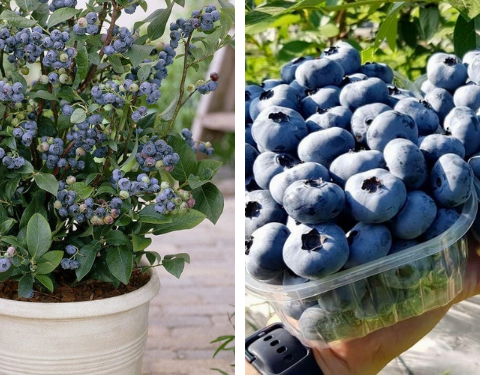
Blueberries prefer acidic soil (pH 4.5–5.5) and full sun. Plant in pots or beds with ericaceous compost. Keep soil moist but not soggy.
Prune in winter to maintain shape and encourage new growth. Mulch annually with pine needles or bark.
14. Raspberries
Plant raspberries in full sun and fertile, well-draining soil. Use support like a trellis or fence for upright growth. Prune back old canes after fruiting.
Once established, they spread easily and produce reliably each summer.
15. Rhubarb
Plant rhubarb crowns in early spring in a sunny spot with rich, well-drained soil. Space plants 3 feet apart. Mulch heavily and water regularly in dry spells.
Do not harvest during the first year to allow roots to develop. Harvest thick, red stalks in spring and early summer.
16. Peas
Peas are early-season favorites that thrive in cool weather. Sow seeds directly in early spring and provide support for climbing varieties. Keep soil moist and pick pods regularly to prolong production.
17. Bell Peppers
Start bell peppers indoors 6–8 weeks before the last frost or buy transplants. Plant in full sun and fertile, well-draining soil.
Water deeply and stake plants if needed. Pick peppers when they reach desired size and color.
18. Beets
Beets grow best in loose, fertile soil. Sow seeds directly and thin seedlings to 3 inches apart. Water consistently and mulch to retain moisture. You can harvest greens early and roots once they reach 1–3 inches in diameter.
19. Garlic
Plant garlic cloves in fall, 2 inches deep and 4–6 inches apart. Mulch with straw for winter protection. Water occasionally and weed regularly.
Harvest when the lower leaves turn yellow and cure in a dry, shaded area for storage.
20. Herbs (Basil, Parsley, Mint)
Herbs are ideal for containers and windowsills. Basil needs full sun and moist, well-drained soil. Pinch back regularly to encourage branching.
Parsley prefers part shade and steady moisture. Mint is vigorous and invasive, so grow it in pots to keep it contained.
Starting a vegetable or fruit garden doesn’t have to be complicated.
These 20 low-maintenance fruits and vegetables are perfect for beginner gardeners who want to enjoy fresh, homegrown produce without constant upkeep.
With just a little planning, quality soil, and regular watering, your garden can become a productive, low-stress source of delicious food.