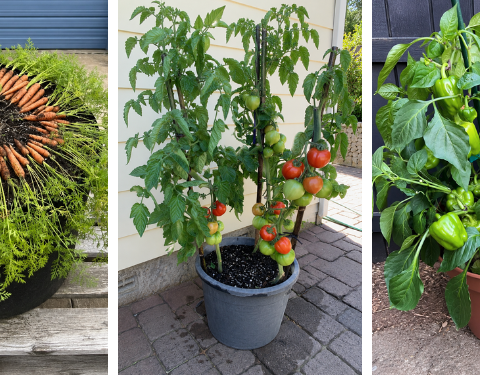
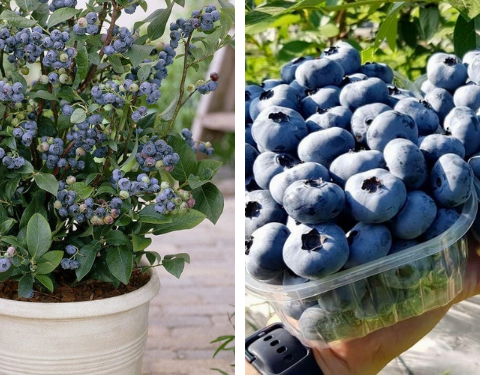
Winter is the perfect season to get creative indoors, and what better way to make the most of those cold months than by starting an indoor vegetable garden?
With snow on the ground and freezing temperatures outside, you might think fresh produce is out of reach—but with a few simple steps, you can grow delicious, nutrient-rich vegetables right from your kitchen or living room.
Indoor gardening not only provides you with a fresh supply of herbs and vegetables but also keeps your mind engaged and your body healthier.
Gardening is a calming, rewarding hobby, and winter is the perfect time to try something new—especially something that brings healthy food to your table.
Whether you’re short on outdoor space, want to save on grocery bills, or simply love the idea of harvesting fresh greens from your windowsill, this guide will walk you through how to grow vegetables indoors this winter—plus five fast-growing veggies you can harvest in just 30 days!
Why Indoor Gardening Is Perfect for Winter
Indoor gardening is ideal for cold seasons because it lets you bypass the harsh outdoor elements while still enjoying the benefits of homegrown food.
It’s clean, compact, and surprisingly easy to manage once your setup is complete. Best of all, you can start with quick-growing vegetables that are both nutritious and easy to care for—even for beginners.
With indoor gardening, there’s no need to till soil, battle outdoor pests, or wait months for harvests. You’re in control of the environment, which means faster results and fewer hassles.
How to Set Up the Right Environment for Growing Vegetables Indoors
Growing healthy vegetables indoors requires replicating the conditions they’d have outdoors—just with more control. Here are the four key elements you’ll need:
1. Light
Vegetables need at least 5 to 6 hours of sunlight per day. A south-facing windowsill is ideal for natural light. If sunlight is limited, especially in northern climates, invest in LED grow lights that simulate full-spectrum daylight. These can be placed over your containers or mounted to shelves.
2. Air Circulation
Good airflow is essential to prevent mold and pests. Place your containers in well-ventilated areas and consider using a small oscillating fan to gently circulate air. This also helps strengthen plant stems.
3. Water
Indoor plants are prone to both overwatering and underwatering. Use well-draining containers, and only water when the top inch of soil feels dry. A saucer or tray beneath each pot will prevent spills.
4. Organic Nutrients
Since potting soil contains limited nutrients, use organic fertilizer or compost tea every couple of weeks to keep your vegetables healthy and growing quickly. Choose a balanced liquid fertilizer or one tailored for leafy greens.
Tips for a Successful Indoor Garden
-
Use containers at least 4 inches deep for baby vegetables, and up to 12 inches for more mature plants.
-
Potting soil mixed with compost offers the best drainage and nutrition.
-
Choose unglazed ceramic or breathable plastic containers with drainage holes.
-
Avoid overcrowding—each plant needs enough space to spread its roots and leaves.
-
Create a mini pot garden on shelves, windowsills, or countertops using grouped containers for visual appeal and convenience.
5 Vegetables You Can Grow Indoors in Just 30 Days
If you’re eager to see quick results, start with these fast-growing, space-saving vegetables. They’re perfect for winter growing and ideal for beginners who want fast gratification.
1. Radishes
Time to Harvest: 25–30 days
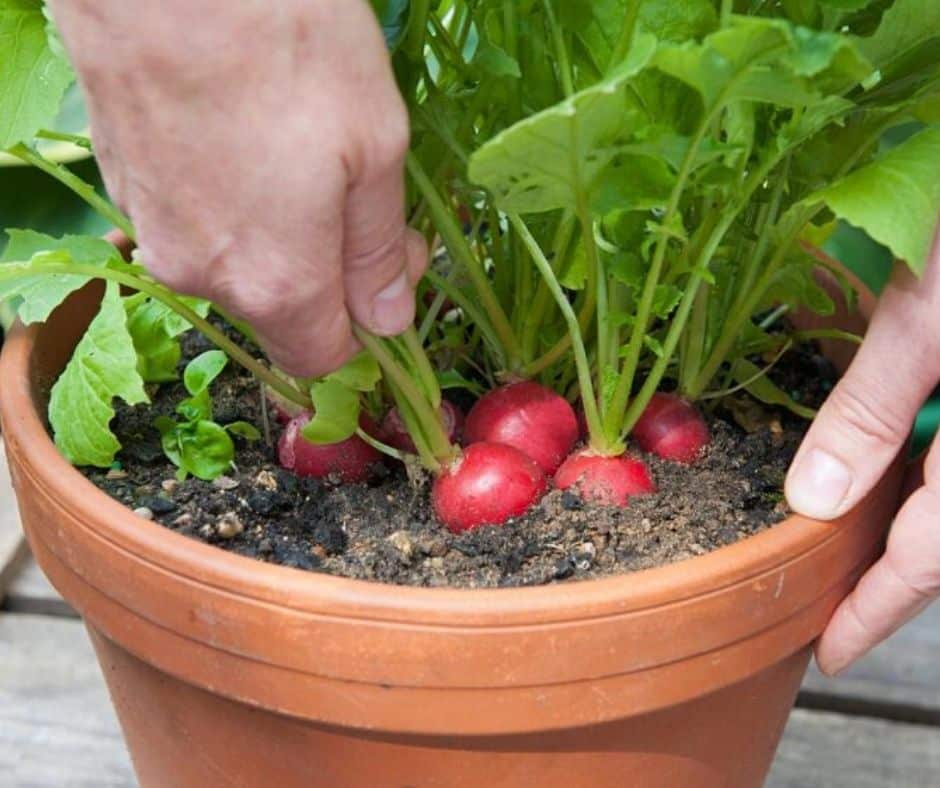
Radishes are one of the fastest and most rewarding veggies to grow indoors. Their vibrant red bulbs and leafy tops add color and crunch to salads and snacks.
They need a deep pot (6–8 inches) and do best in cooler temperatures near a sunny window.
Water when the soil feels dry and avoid over-fertilizing, which can cause too much leafy growth at the expense of the roots.
2. Green Onions (Scallions)
Time to Harvest: 21–30 days
Green onions are incredibly easy to grow, even from leftover kitchen scraps. Place the white bulb ends in a glass of water to root, then transfer them to soil once they sprout.
They require minimal space and grow well in small containers. Snip the green tops as needed—they regrow quickly! Use rich, well-draining soil and ensure they receive adequate light.

3. Lettuce
Time to Harvest: 28–30 days (for baby leaves)
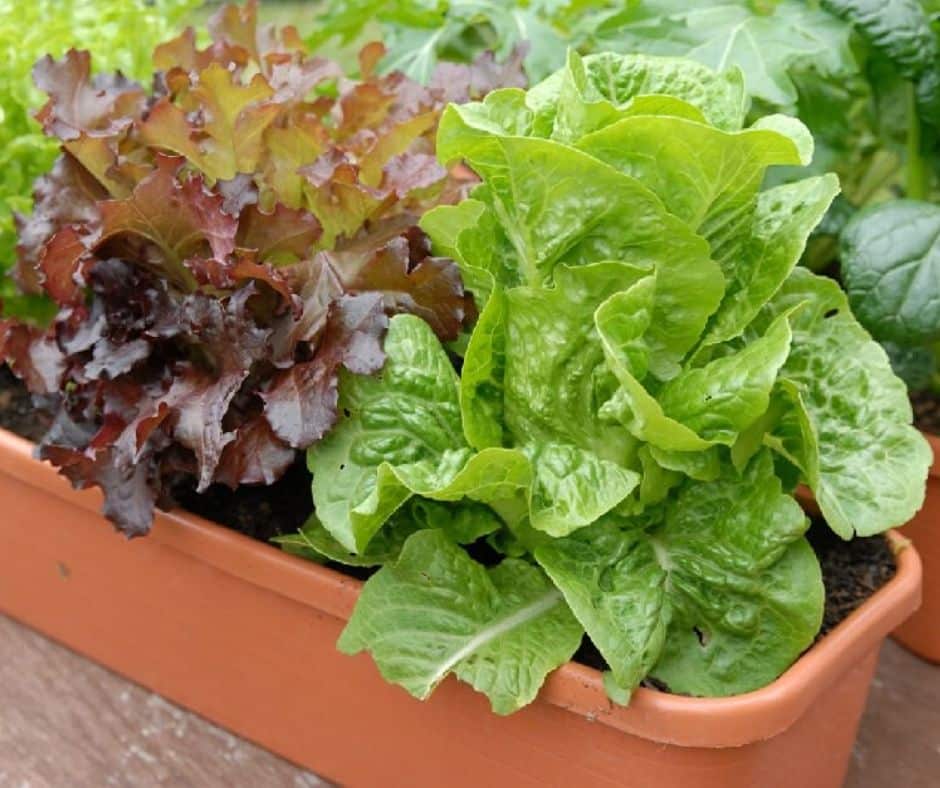
Leafy lettuces like romaine, butterhead, and loose-leaf varieties thrive indoors. Choose a container at least 6–8 inches deep and keep the soil moist but not soggy.
Lettuce prefers cooler indoor temperatures and grows best with bright, indirect light.
Harvest the outer leaves regularly to keep the plant productive. Try a cut-and-come-again method for continuous yield.
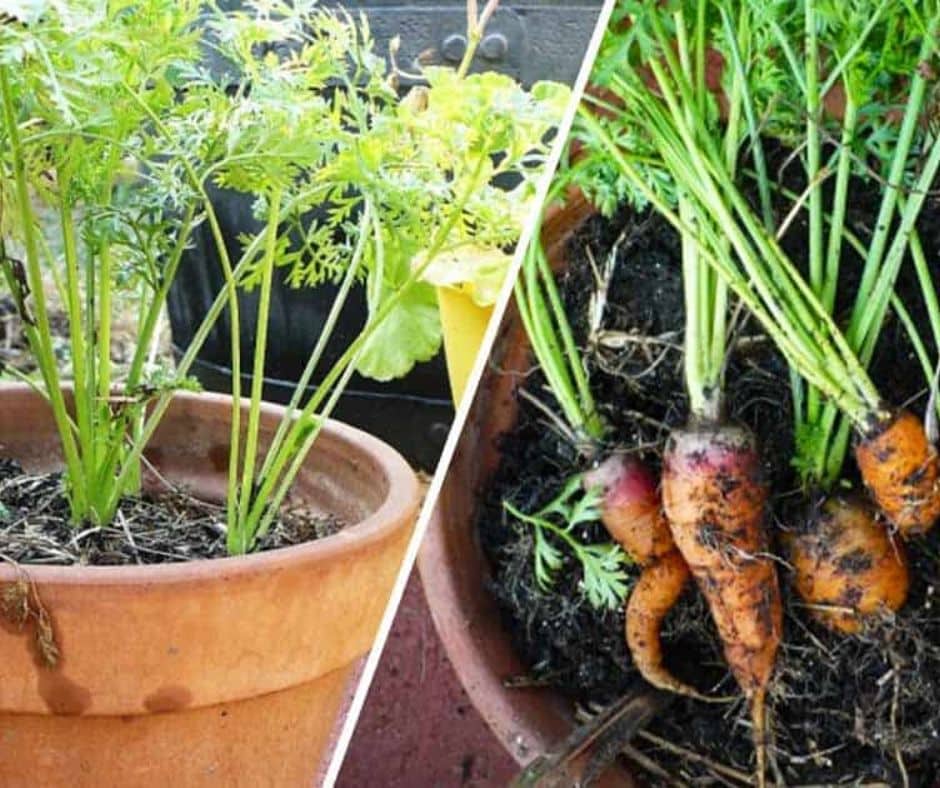
4. Baby Carrots
Time to Harvest: 30–35 days
Baby carrots are perfect for small containers and only need 5–6 inches of soil depth. Use a loose, sandy potting mix to allow the roots to develop easily.
Keep them near a sunny window and water consistently to avoid splitting. The result? Sweet, crunchy carrots that are fun to grow and delicious to eat. Bonus: they’re kid-friendly and fun for family gardening projects!
5. Baby Spinach
Time to Harvest: 20–30 days
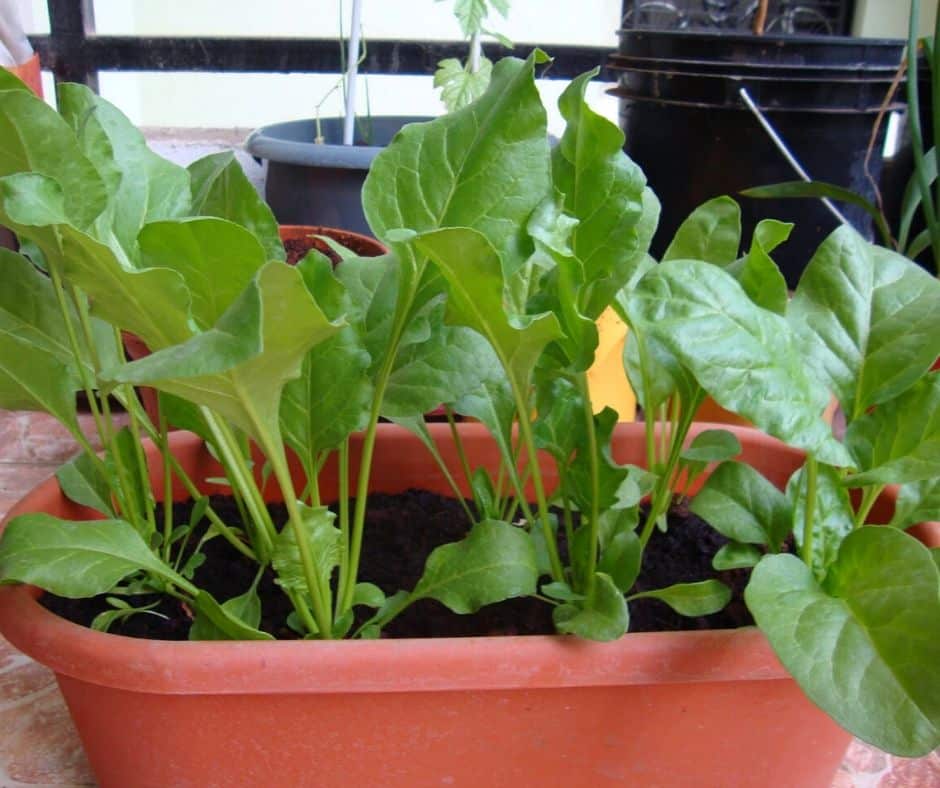
Spinach grows quickly indoors and is packed with iron, vitamins, and antioxidants. Choose a shallow container with wide surface area and sow seeds densely for baby leaves.
Spinach loves sunlight but doesn’t tolerate high heat, making it perfect for winter indoor conditions. Keep the soil evenly moist and harvest when leaves are 2–4 inches tall.
Indoor vegetable gardening is more than just a way to pass the time during the chilly months—it’s an opportunity to take control of your food, reduce grocery bills, and enjoy fresh, organic produce year-round.
With the right setup, a little daily care, and a few fast-growing crops, you can create your own indoor oasis of green, no matter the weather outside.
So grab a few pots, some seeds, and start growing! You’ll be amazed how much joy, nourishment, and satisfaction indoor gardening can bring to your winter days.