Feng Shui, the ancient Chinese system of harmonizing individuals with their surrounding environment, continues to be widely practiced across the world today—not only in homes, but also in workplaces, schools, and public spaces.
The philosophy focuses on balancing the energy, or “chi,” in a space to promote well-being, abundance, and peace.
One of the most powerful and natural ways to apply Feng Shui principles is through the strategic use of plants.
Plants are living symbols of growth, health, and life force, and specific species are believed to attract wealth, love, clarity, and protection when placed correctly within a space.
Here are 9 highly regarded Feng Shui plants and expert tips on where and how to place them to maximize their benefits and bring harmony into your life.
1. Jade Plant – Attract Prosperity in the Workplace
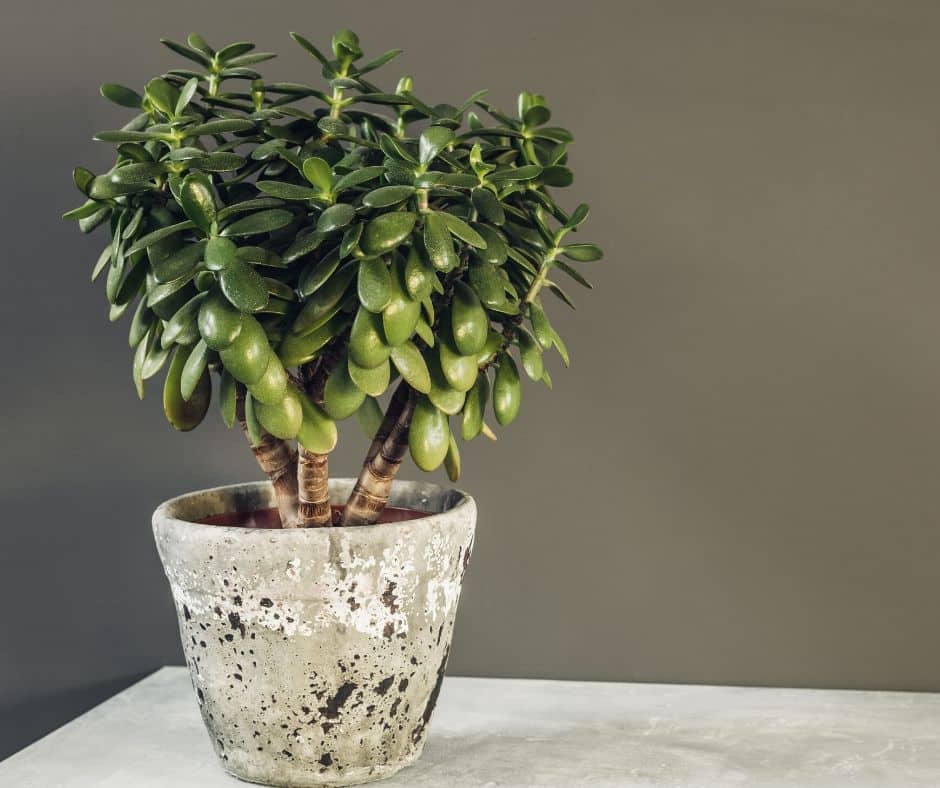
The jade plant (Crassula ovata) is among the most treasured plants in Feng Shui, particularly when it comes to financial luck and business success.
This medium-sized succulent, with its thick, coin-shaped leaves, symbolizes growth, prosperity, and abundance.
Why it matters in Feng Shui:
-
Known as the “money plant” in some cultures
-
Represents financial stability and wealth attraction
-
Believed to energize business ventures and personal success
Ideal placement:
-
Place it near the entrance of an office or business premises
-
Position on a desk or reception counter to invite new opportunities
-
Avoid overwatering; the jade plant thrives in dry, well-drained soil
Keep the plant under 1 meter in height for best energy flow, and trim regularly to encourage healthy, balanced growth.
2. Silver Crown – A Magnet for Good Fortune
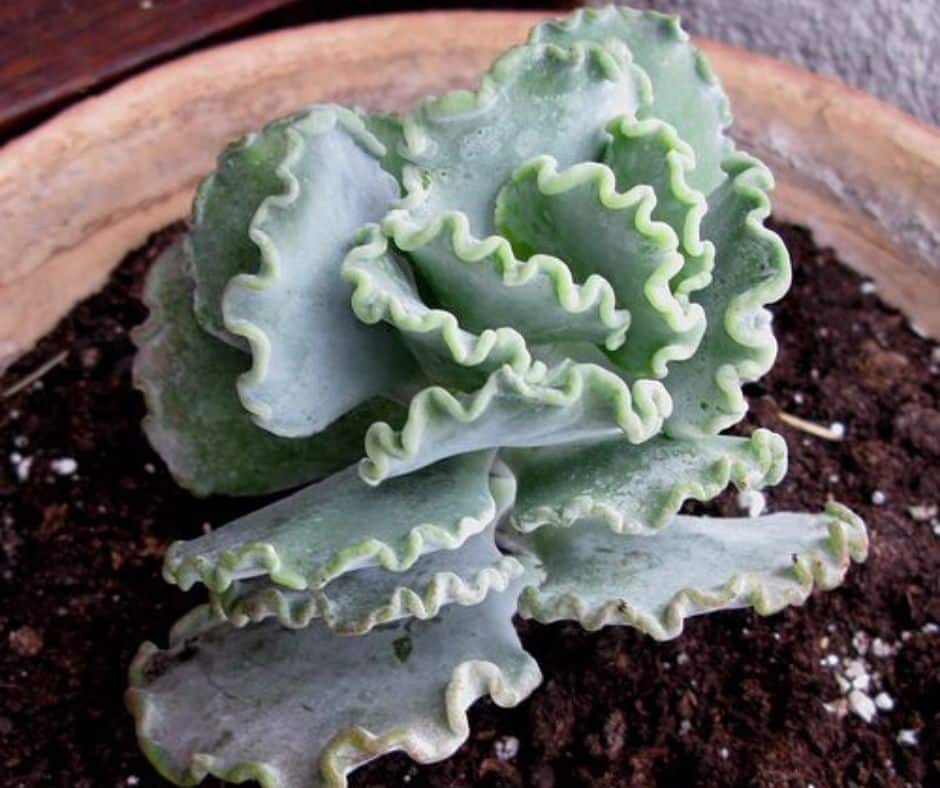
The Silver Crown plant (Echeveria elegans or similar variegated succulents) is admired in Feng Shui for its stunning rosette shape and silvery sheen.
Its unique appearance and resilient nature are associated with luck, protection, and positive transformation.
Feng Shui benefits:
-
Reflects light and enhances chi flow in stagnant areas
-
Promotes good luck and stability
-
Symbolizes inner strength and outer beauty
Ideal placement:
-
Place in the living room where it can reflect natural light
-
Near a window or on a coffee table to promote harmony in family interactions
Its compact size also makes it an ideal decorative plant for small spaces.
3. Money Plant – A Symbol of Wealth and Growth
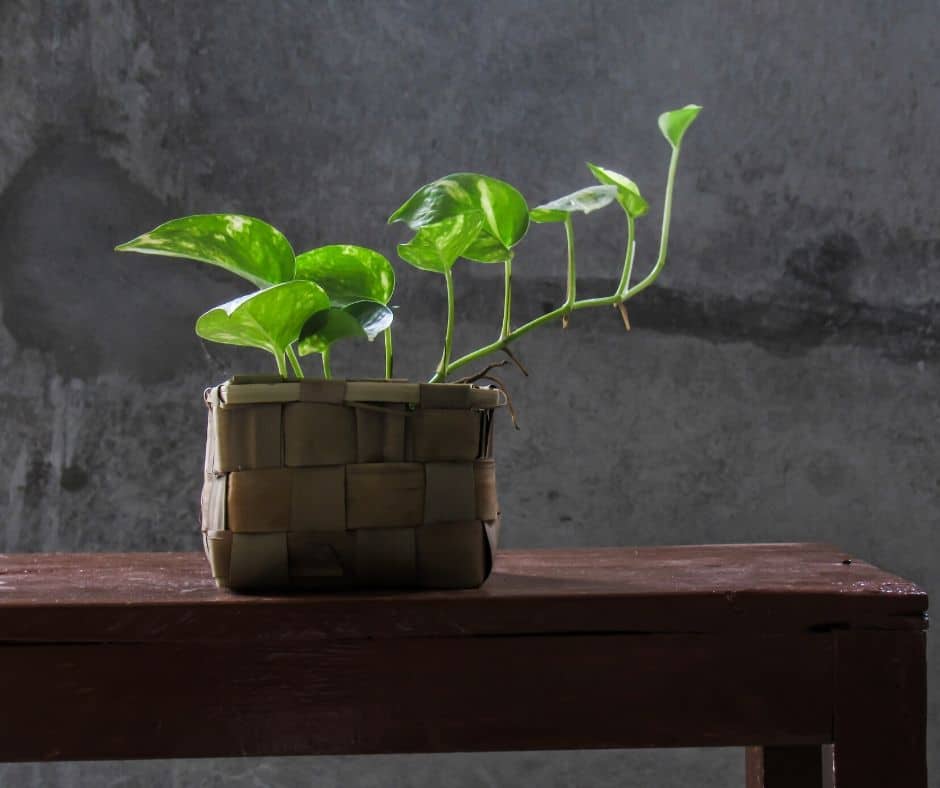
The Money Plant (Epipremnum aureum, also known as pothos or devil’s ivy) is another powerful Feng Shui plant that symbolizes wealth, abundance, and financial luck.
Its trailing vines and heart-shaped leaves are considered lucky, especially when they grow vigorously.
Feng Shui benefits:
-
Attracts financial gain and prosperity
-
Encourages steady growth in personal and professional life
-
Improves air quality, symbolizing the purification of energy
Ideal placement:
-
Southeast corner of the home or office (wealth and abundance zone)
-
Living room, kitchen, or lounge areas
-
Can be grown in glass bottles, pots, or water-filled containers
Ensure the plant is healthy and lush, as wilted or neglected money plants are believed to repel rather than attract good fortune.
4. Peony – Enhance Love and Romance
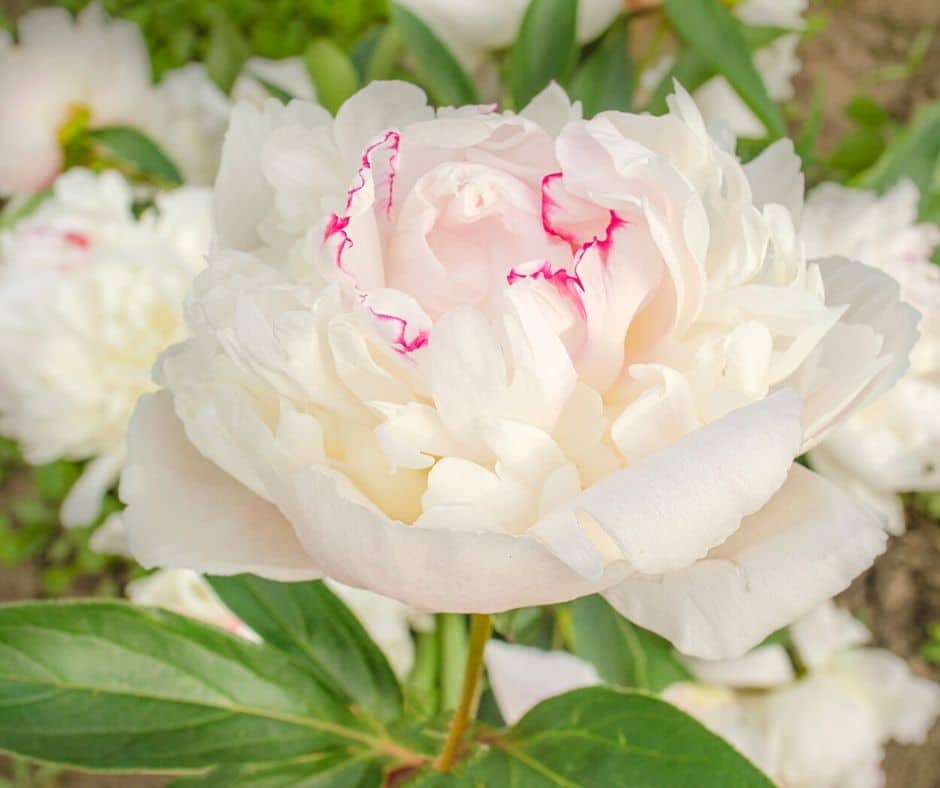
Often referred to as the “Queen of Flowers,” the Peony is revered for its lush blooms, soft fragrance, and rich symbolism.
In Feng Shui, it is the ultimate flower for romantic energy, marital bliss, and attracting meaningful relationships.
Feng Shui benefits:
-
Symbolizes love, beauty, and feminine energy
-
Strengthens emotional connections and enhances attraction
-
Promotes marriage and harmonious partnerships
Ideal placement:
-
Southwest area of the home (relationship sector)
-
In the bedroom or garden, especially for singles seeking love
Opt for pink or red peonies to amplify their romantic and auspicious energy.
5. Lotus – Inspire Spiritual Enlightenment and Clarity
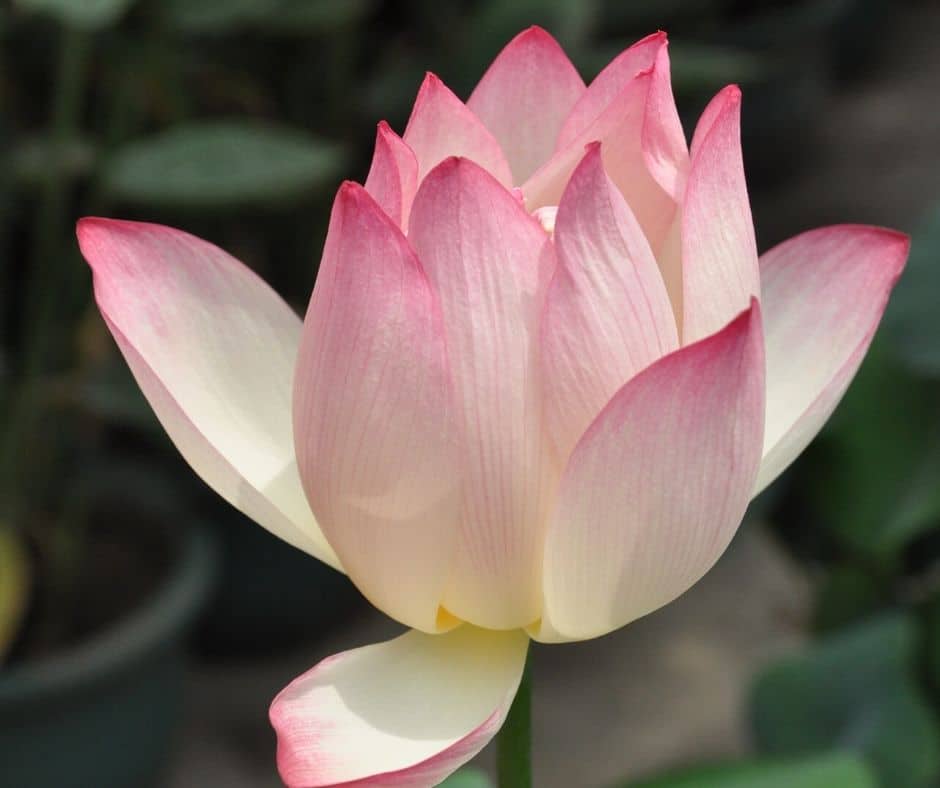
The Lotus flower is a sacred symbol in both Chinese and Indian cultures, representing purity, enlightenment, and inner peace.
Its ability to bloom in muddy waters makes it a powerful metaphor for spiritual growth and perseverance.
Feng Shui benefits:
-
Symbolizes rebirth, spiritual awakening, and clarity
-
Associated with prosperity and divine energy
-
Promotes mindfulness and emotional healing
Ideal placement:
-
Near the entrance of the home to purify incoming energy
-
In meditation spaces, altars, or indoor water features
Lotus imagery (paintings or sculptures) can also be used when the live plant isn’t practical, particularly in cooler climates.
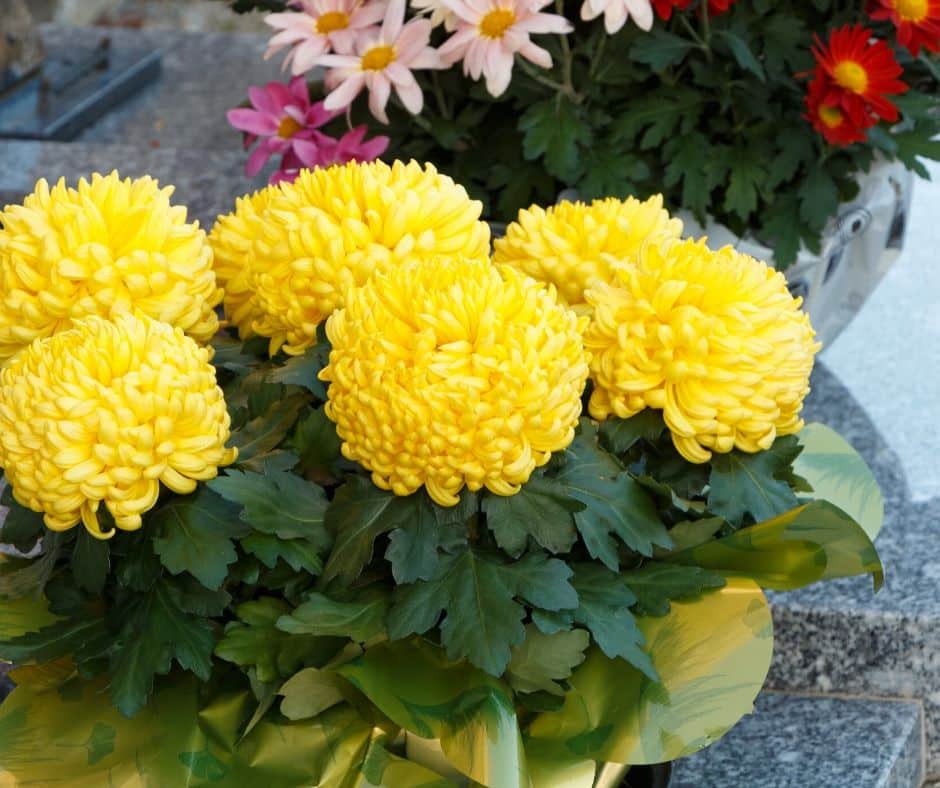
6. Chrysanthemum – Cultivate Joy and Optimism
With its vibrant petals and symmetrical form, the Chrysanthemum is a popular flower in both Feng Shui and traditional Chinese medicine. It represents joy, clarity, longevity, and a positive outlook on life.
Feng Shui benefits:
-
Dispels negativity and uplifts the spirit
-
Brings balance and light into heavy or cluttered spaces
-
Symbol of life force and renewal
Ideal placement:
-
Living room or main gathering areas of the home
-
Avoid placing in bedrooms, as their energy may be too stimulating
Yellow chrysanthemums, in particular, are said to radiate the most cheerful and uplifting energy.
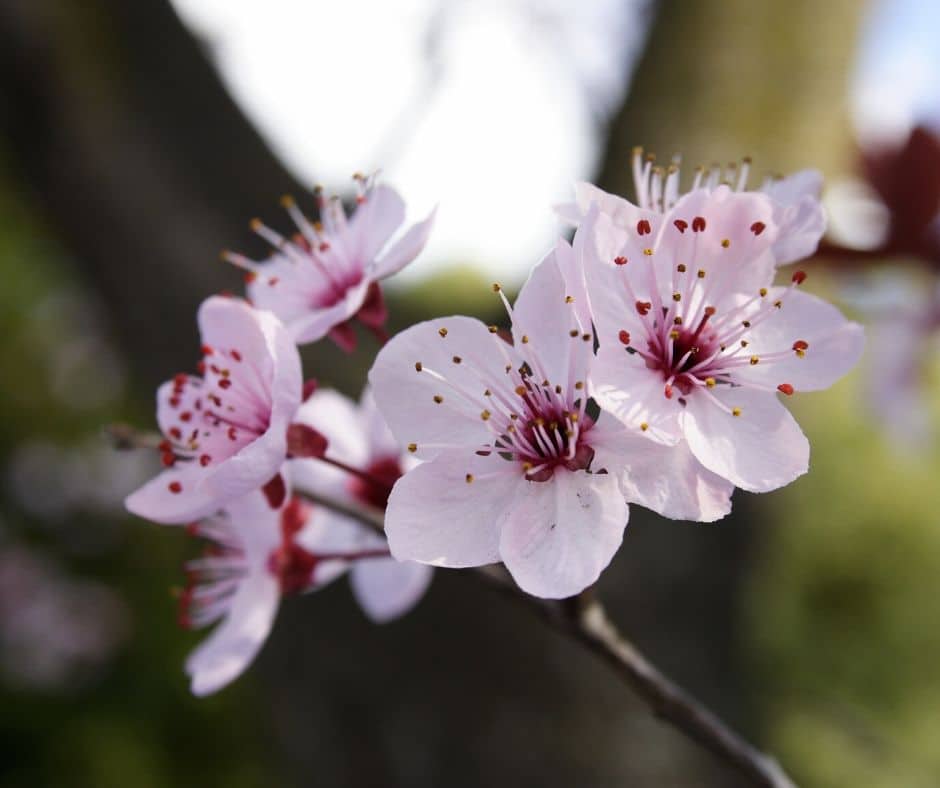
7. Plum Blossom – Embrace Renewal and Purity
The Plum Blossom symbolizes resilience, purity, and new beginnings. It often blooms in late winter, representing the triumph of strength and beauty over adversity.
In Feng Shui, it is believed to promote mental clarity, creativity, and hope.
Feng Shui benefits:
-
Encourages personal growth and transformation
-
Represents perseverance and renewal
-
Inspires a clear and focused mindset
Ideal placement:
-
Northeast corner of the home or study area
-
Garden spaces for natural balance and seasonal beauty
Plum blossoms are also associated with academic achievement and are often recommended for students or writers.
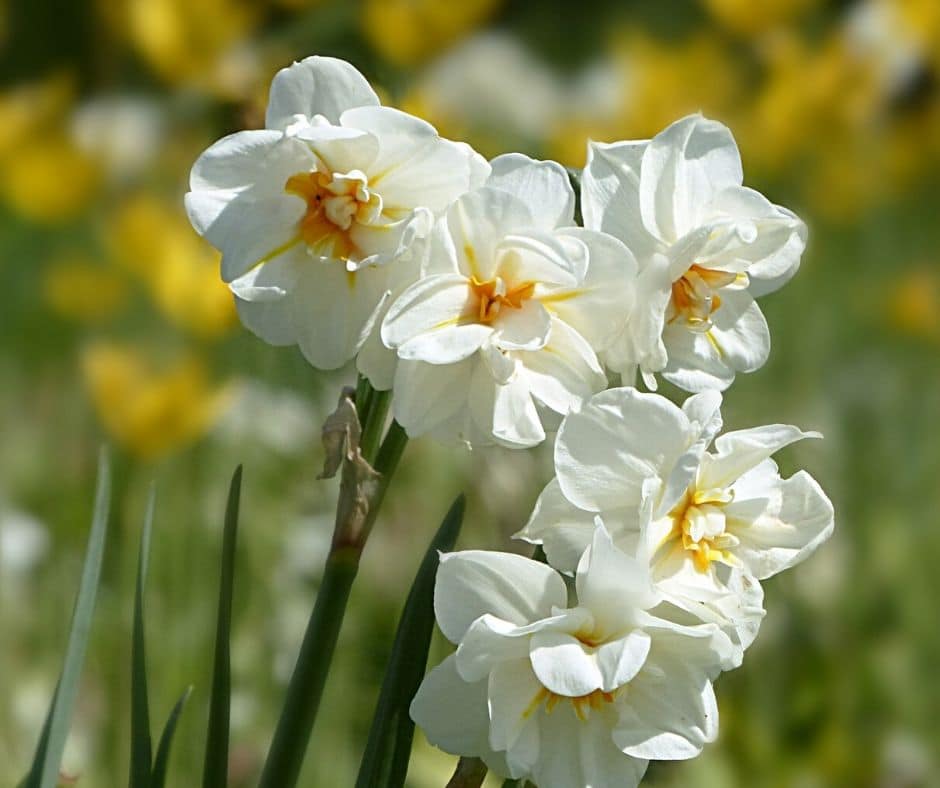
8. Narcissus – Boost Self-Esteem and Productivity
The elegant Narcissus is admired in Feng Shui for its graceful flowers and association with talent, inner beauty, and self-respect. It’s often used to enhance career success and stimulate motivation.
Feng Shui benefits:
-
Promotes confidence, self-awareness, and inner strength
-
Inspires creativity and clear communication
-
Attracts recognition for one’s efforts
Ideal placement:
-
North or northeast area of the home or workspace (career and knowledge sectors)
-
Avoid dwarf varieties, which are believed to have weaker energetic effects
The narcissus is especially popular during Chinese New Year as a symbol of new beginnings and personal growth.
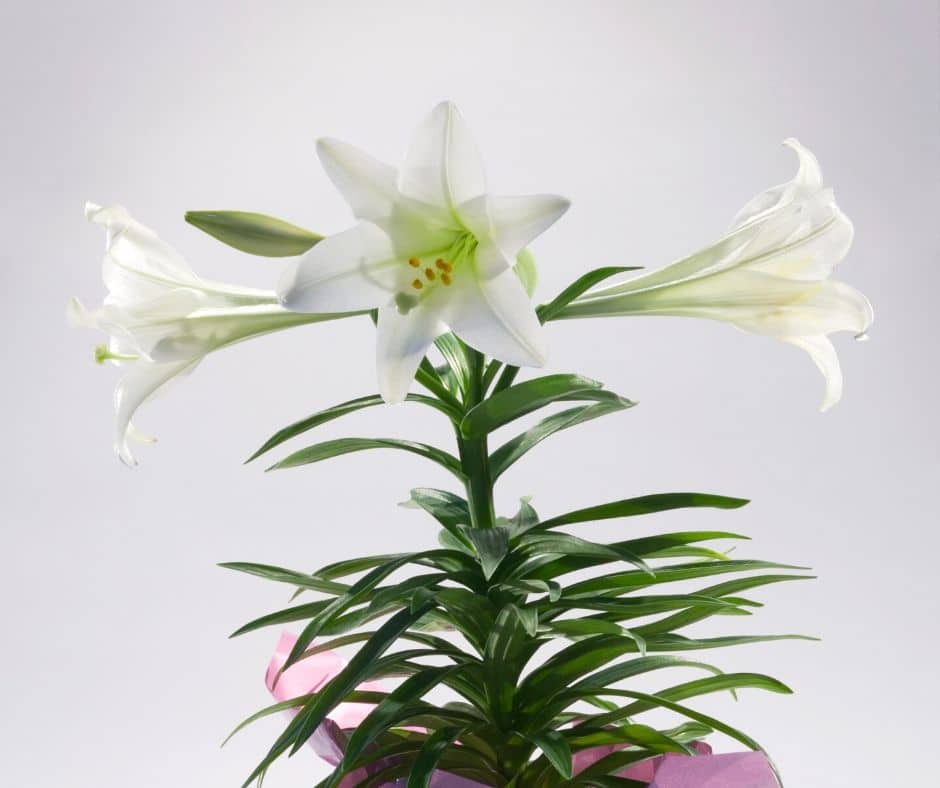
9. Lily – Promote Calmness, Balance, and Meditation
Delicate and fragrant, the Lily is often associated with peace, healing, and emotional balance. It is a gentle plant that can bring serenity to a chaotic environment and support mindfulness practices.
Feng Shui benefits:
-
Reduces stress and negative energy
-
Enhances tranquility and inner peace
-
Supports emotional healing and spiritual practices
Ideal placement:
-
Meditation rooms, bedrooms, or quiet nooks
-
East or southeast sectors for family harmony and growth
Lilies are also associated with motherly love and nurturing energy, making them perfect for homes focused on family well-being.
Feng Shui plants are more than decorative elements—they are powerful tools for channeling positive energy, healing, and prosperity into your environment.
Each plant serves a unique purpose, whether it’s boosting wealth with a jade plant, attracting love with a peony, or calming your mind with a lily.
By mindfully selecting and placing these 9 Feng Shui plants in your home or garden, you invite harmony, balance, and intention into your daily life. Let nature support your goals, heal your space, and transform your energy—one plant at a time.