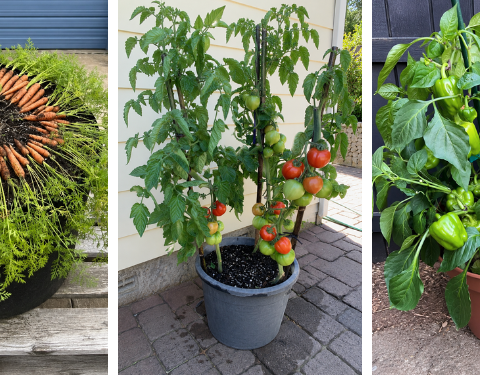
Sunlight plays a crucial role in the life of a vegetable garden, but not every garden space gets full sun all day long.
Whether you’re working with a shaded balcony, a backyard surrounded by trees, or simply have limited sunlight exposure due to the orientation of your home, don’t worry—there are plenty of vegetables that grow well in partial sun or light shade.
While most vegetables do prefer full sun (6 or more hours of direct sunlight per day), some are naturally more tolerant of dappled light or shorter daylight periods.
These shade-tolerant crops are typically leafy, cool-weather plants that thrive without the intense heat or brightness required by fruiting vegetables like tomatoes or peppers.
Here are 10 vegetables that tolerate partial sun and shade, along with tips on how to grow them successfully in lower light conditions.
1. Lettuce
Lettuce is one of the most shade-tolerant vegetables you can grow. This cool-season crop thrives in partial shade, especially during hot summer months, where direct sunlight can cause it to bolt or become bitter.
Light requirements: 3–5 hours of sunlight
Best varieties: Butterhead, romaine, loose-leaf
Growing tips: Plant in early spring or late summer. Provide consistent moisture and harvest leaves often to encourage new growth.
Lettuce can be grown in containers, window boxes, or directly in the ground, and it’s ideal for succession planting to extend the harvest season.
2. Spinach
Spinach prefers cooler temperatures and can thrive in shady areas where the soil stays moist and cool. It germinates quickly and matures fast, making it an excellent vegetable for low-light gardens.
Light requirements: 3–4 hours of sunlight
Best varieties: Bloomsdale, Tyee, Space
Growing tips: Sow directly in the soil or containers. Keep the soil rich in nitrogen and well-drained. Harvest leaves when young for best flavor.
Spinach also does well under taller crops that offer partial canopy shade, such as pole beans or corn.
3. Kale
Kale is a hardy, leafy green that grows well in a variety of conditions, including partial shade. It tolerates cooler temperatures and even benefits from a touch of frost, which enhances its flavor.
Light requirements: 4–5 hours of sunlight
Best varieties: Red Russian, Lacinato (Dinosaur kale), Curly kale
Growing tips: Mulch around the base to retain moisture. Pick lower leaves to encourage upward growth. Avoid waterlogged soil.
Kale is an ideal vegetable for fall gardens and shady spots where other greens might struggle.
4. Arugula
Arugula is a peppery leafy green that prefers cooler conditions and benefits from being grown in partial shade during warm seasons. Too much heat or sun can cause it to bolt quickly.
Light requirements: 3–4 hours of sunlight
Best varieties: Rocket, Astro, Sylvetta
Growing tips: Sow seeds directly and thin as needed. Water regularly to maintain tender leaves. Harvest young leaves for salads.
Arugula grows quickly, so it’s perfect for succession planting and indoor gardening in well-lit rooms.
5. Chard (Swiss Chard)
Swiss chard is not only shade-tolerant but also colorful and highly productive. It produces large, nutrient-rich leaves over a long growing season and can tolerate partial shade well.
Light requirements: 4–6 hours of sunlight
Best varieties: Bright Lights, Fordhook Giant, Ruby Red
Growing tips: Harvest outer leaves regularly to encourage new growth. Provide rich soil and steady moisture.
Chard is perfect for borders or shadier spots in your garden that still receive dappled sunlight.
6. Beets
Beets are a dual-purpose vegetable: you can harvest both the roots and the greens. While the roots will grow larger in full sun, they will still develop reasonably well in partial sun. The greens thrive in lower light and can be harvested multiple times.
Light requirements: 4–6 hours of sunlight
Best varieties: Detroit Dark Red, Chioggia, Bull’s Blood
Growing tips: Thin seedlings early to promote larger roots. Water consistently and harvest young for tender greens.
Beets are great for gardeners who want to maximize food production from both root and leaf.
7. Green Onions (Scallions)
Green onions or scallions are incredibly adaptable and require minimal sunlight to grow. They can be planted in containers or directly in the soil and are perfect for growing indoors on a sunny windowsill.
Light requirements: 3–4 hours of sunlight
Best varieties: Evergreen Bunching, White Lisbon
Growing tips: Sow seeds close together or regrow from kitchen scraps. Harvest once stems reach pencil-thickness.
Scallions are ideal for shady spots and fast-harvest planting, often ready within 30 days.
8. Radishes
Radishes are quick-growing root vegetables that tolerate partial shade, especially in hot climates where full sun can cause them to bolt. They’re excellent for beginner gardeners and can be harvested in as little as three weeks.
Light requirements: 4–5 hours of sunlight
Best varieties: Cherry Belle, French Breakfast, Easter Egg
Growing tips: Sow directly in the ground or containers. Keep soil loose and moist. Thin seedlings to avoid overcrowding.
Radish greens are also edible and highly nutritious, offering additional yield in shaded gardens.
9. Peas
Peas prefer cool weather and are moderately tolerant of partial shade. While full sun can boost yields, peas can still produce a respectable harvest in shadier conditions.
Light requirements: 4–6 hours of sunlight
Best varieties: Sugar Snap, Little Marvel, Snow Peas
Growing tips: Provide a small trellis or support. Keep soil cool and moist. Pick pods regularly to prolong the harvest.
Peas are also nitrogen fixers, helping improve soil quality for other crops grown nearby.
10. Broccoli
Broccoli is a cool-weather crop that performs well in partial shade, particularly during late spring or early fall. It may not form large central heads in lower light but will still produce edible side shoots and leaves.
Light requirements: 4–6 hours of sunlight
Best varieties: Calabrese, Green Magic, De Cicco
Growing tips: Plant in fertile, well-drained soil. Space plants adequately. Protect from pests like cabbage worms.
For maximum production in shaded spaces, focus on harvesting leaves and side shoots if central heads are smaller than expected.
Tips for Growing Vegetables in Partial Shade
-
Maximize available light by placing plants where they receive the most daily sun, especially morning light.
-
Use reflective surfaces (like white walls or mirrors) to bounce more light onto plants.
-
Avoid planting tall vegetables that cast shade over others unless you’re using them strategically for shade-loving crops.
-
Choose compact or early-maturing varieties, which are often better suited for low-light conditions.
-
Grow in containers or raised beds to improve drainage and mobility if you need to move them for better light exposure.
Just because your garden doesn’t get full sun doesn’t mean you can’t grow your own food.
With careful planning and the right crop selection, a partially shaded garden can yield a surprising amount of fresh, nutritious produce.
The ten vegetables listed here are perfect choices for gardeners working with less-than-ideal light, offering a blend of fast-growing greens, root crops, and hardy staples.