Growing herbs in water is a convenient and space-saving way to keep fresh, flavorful plants at your fingertips year-round.
This method is ideal for those with limited garden space or anyone looking to simplify their gardening routine.
Here are ten healthy herbs you can easily grow in water to enhance your culinary creations and boost your health.
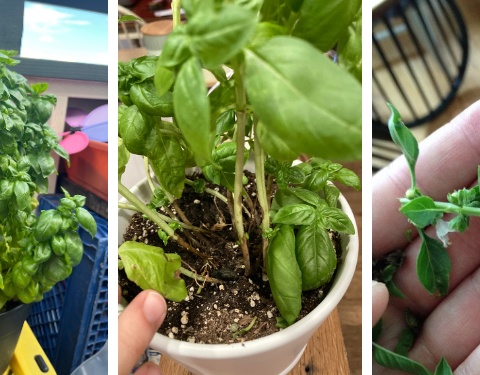
1. Basil (Ocimum basilicum)
Why Grow Basil in Water?
Basil is a versatile and aromatic herb that thrives in water. It’s great for adding a fresh, peppery flavor to dishes.
Benefits:
- Culinary Uses: Perfect for pesto, salads, and garnishing.
- Health Benefits: Rich in antioxidants, anti-inflammatory properties, and vitamins A, C, and K.
How to Grow:
- Start with Cuttings: Take a 4-inch cutting from a healthy basil plant just below a leaf node.
- Place in Water: Submerge the cut end in a glass of water, ensuring the leaves are above water.
- Change Water Regularly: Refresh the water every few days to prevent stagnation and promote root growth.
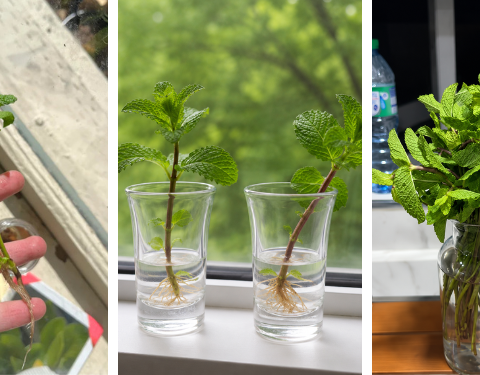
2. Mint (Mentha)
Why Grow Mint in Water?
Mint is an easy-to-grow herb that adds a refreshing flavor to beverages, desserts, and savory dishes.
Benefits:
- Culinary Uses: Ideal for teas, cocktails, and garnishes.
- Health Benefits: Aids digestion, relieves nausea, and has antibacterial properties.
How to Grow:
- Start with Cuttings: Take a 4-6 inch cutting from a healthy mint plant.
- Place in Water: Place the cutting in a jar of water with the lower leaves removed.
- Change Water Regularly: Change the water every few days to keep it fresh.
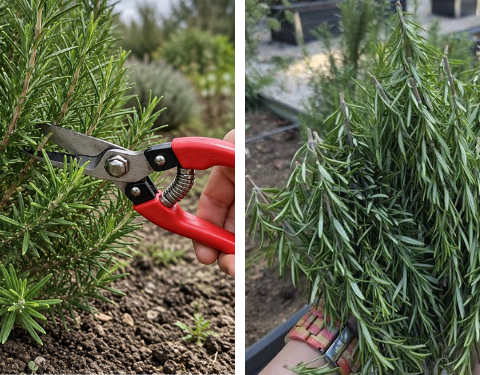
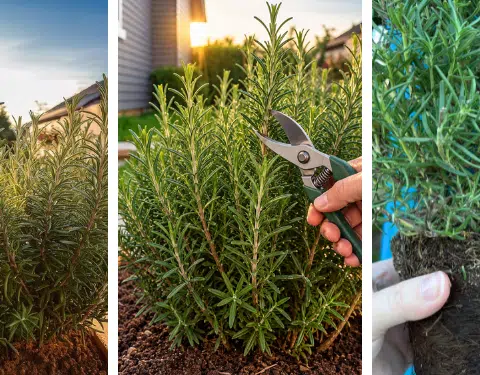
3. Rosemary (Rosmarinus officinalis)
Why Grow Rosemary in Water?
Rosemary is a fragrant herb that enhances the flavor of a wide range of dishes and is easy to grow in water.
Benefits:
- Culinary Uses: Perfect for roasts, soups, and bread.
- Health Benefits: Boosts memory, improves digestion, and has anti-inflammatory properties.
How to Grow:
- Start with Cuttings: Take a 5-6 inch cutting from a healthy rosemary plant.
- Place in Water: Submerge the cutting in water, ensuring only the stem is in the water.
- Change Water Regularly: Replace the water every few days to encourage root growth.
4. Thyme (Thymus vulgaris)
Why Grow Thyme in Water?
Thyme is a hardy herb that adds a savory note to many dishes and thrives in a water-based environment.
Benefits:
- Culinary Uses: Excellent for meats, stews, and vegetables.
- Health Benefits: Rich in vitamins C and A, and has antiseptic and antifungal properties.
How to Grow:
- Start with Cuttings: Take a 4-5 inch cutting from a thyme plant.
- Place in Water: Place the cutting in water with the leaves above the waterline.
- Change Water Regularly: Refresh the water every few days to keep it clean.
5. Oregano (Origanum vulgare)
Why Grow Oregano in Water?
Oregano is a robust herb that thrives in water and is a staple in many Mediterranean dishes.
Benefits:
- Culinary Uses: Ideal for pizzas, pastas, and salads.
- Health Benefits: High in antioxidants and has antimicrobial properties.
How to Grow:
- Start with Cuttings: Take a 4-inch cutting from a healthy oregano plant.
- Place in Water: Submerge the cutting in a jar of water, ensuring the leaves stay above the water.
- Change Water Regularly: Replace the water every few days to promote healthy root growth.
6. Sage (Salvia officinalis)
Why Grow Sage in Water?
Sage is a flavorful herb that is easy to propagate in water and adds depth to many dishes.
Benefits:
- Culinary Uses: Perfect for stuffing, sauces, and teas.
- Health Benefits: Rich in antioxidants, supports oral health, and improves brain function.
How to Grow:
- Start with Cuttings: Take a 4-6 inch cutting from a healthy sage plant.
- Place in Water: Place the cutting in a glass of water, keeping the leaves above the water.
- Change Water Regularly: Refresh the water every few days to prevent stagnation.
7. Lemon Balm (Melissa officinalis)
Why Grow Lemon Balm in Water?
Lemon balm has a fresh, lemony scent and flavor, making it a great addition to beverages and desserts.
Benefits:
- Culinary Uses: Ideal for teas, cocktails, and salads.
- Health Benefits: Reduces stress, improves sleep, and aids digestion.
How to Grow:
- Start with Cuttings: Take a 4-6 inch cutting from a lemon balm plant.
- Place in Water: Submerge the stem in water, ensuring the leaves are above the waterline.
- Change Water Regularly: Replace the water every few days to encourage root development.
8. Cilantro (Coriandrum sativum)
Why Grow Cilantro in Water?
Cilantro is a flavorful herb that is easy to grow in water and is a staple in many cuisines.
Benefits:
- Culinary Uses: Great for salsas, salads, and garnishes.
- Health Benefits: Detoxifies the body, supports heart health, and has antimicrobial properties.
How to Grow:
- Start with Cuttings: Take a 4-6 inch cutting from a healthy cilantro plant.
- Place in Water: Place the cutting in a jar of water, ensuring the leaves stay above the water.
- Change Water Regularly: Refresh the water every few days to keep it clean.
9. Parsley (Petroselinum crispum)
Why Grow Parsley in Water?
Parsley is a nutritious herb that grows well in water and is used to enhance the flavor of many dishes.
Benefits:
- Culinary Uses: Ideal for soups, salads, and garnishes.
- Health Benefits: Rich in vitamins A, C, and K, and supports bone health.
How to Grow:
- Start with Cuttings: Take a 4-6 inch cutting from a healthy parsley plant.
- Place in Water: Submerge the cutting in water, keeping the leaves above the waterline.
- Change Water Regularly: Replace the water every few days to encourage root growth.
10. Chives (Allium schoenoprasum)
Why Grow Chives in Water?
Chives are a versatile herb that adds a mild onion flavor to dishes and can be easily grown in water.
Benefits:
- Culinary Uses: Perfect for soups, salads, and baked potatoes.
- Health Benefits: Rich in vitamins A and C, and supports immune health.
How to Grow:
- Start with Cuttings: Take a 4-6 inch cutting from a healthy chive plant.
- Place in Water: Place the cutting in a glass of water, ensuring the leaves stay above the water.
- Change Water Regularly: Refresh the water every few days to keep it clean.
Growing herbs in water is a simple, efficient way to enjoy fresh, healthy herbs year-round. These ten herbs are perfect candidates for water propagation, providing you with a continuous supply of flavorful and nutritious additions to your meals.
With minimal effort and space, you can create a thriving indoor herb garden that enhances both your culinary creations and your health.