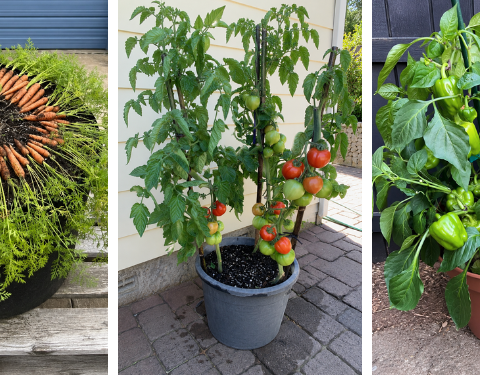
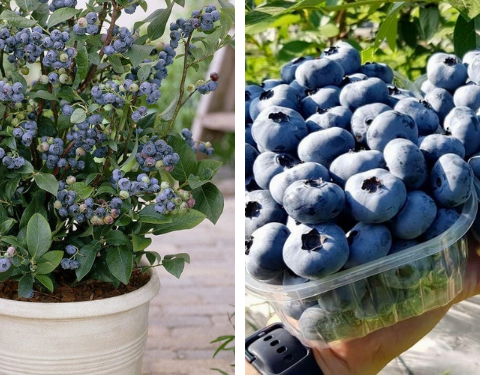
Living in an apartment or urban home without a backyard doesn’t mean you have to miss out on the joys—and benefits—of homegrown vegetables.
In fact, many popular veggies thrive in indoor environments, requiring only sunlight, a little soil (or water), and some care. With the right setup, even a small kitchen windowsill can yield fresh, flavorful produce all year round.
So if you’re dreaming of fresh greens, crunchy carrots, or zesty peppers but lack the garden space, don’t worry.
Here are 9 vegetables you can grow indoors, even in the smallest apartments.
1. Garlic Greens
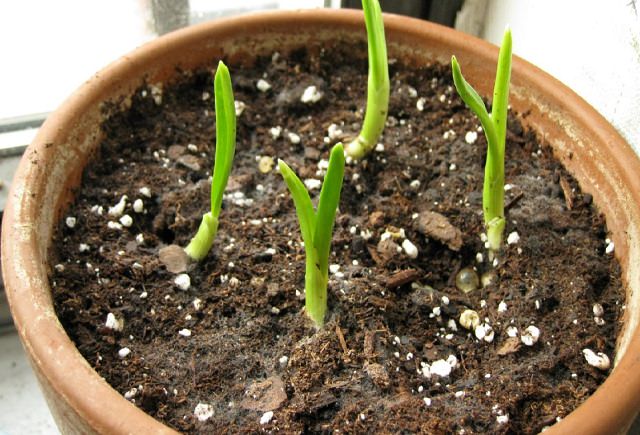
While growing full garlic bulbs indoors is challenging due to space and time requirements, garlic greens (also called garlic scapes or sprouts) grow quickly and are deliciously pungent.
They resemble spring onions in both appearance and usage and are perfect for adding a garlicky kick to stir-fries, salads, and dips.
To grow garlic greens indoors, plant individual garlic cloves upright in a small container filled with potting soil. Place the container in a sunny window.
Within 1–2 weeks, green shoots will appear. Snip off what you need, and let the rest regrow for multiple harvests.
2. Tomatoes
Tomatoes are among the most rewarding vegetables to grow at home, and while they need more care than some others, they can absolutely be grown indoors with the right conditions.
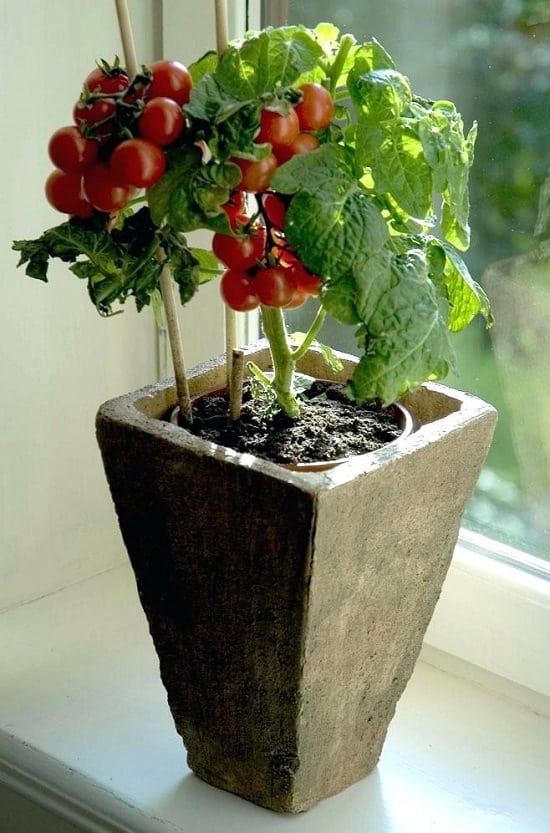
Compact or dwarf cherry tomato varieties are ideal for indoor growing, as they’re manageable in size and still yield sweet, juicy fruit.
Tomatoes require a south-facing window or 10–12 hours of grow light daily, along with consistent watering and a container that’s at least 12 inches deep.
Consider adding a small stake or tomato cage for support as the plant grows. With enough warmth and light, you’ll enjoy homegrown tomatoes all year long—no backyard required.
3. Peppers (Hot Varieties)
Peppers—especially smaller varieties like chili, cayenne, or banana peppers—grow surprisingly well indoors.
They thrive in warm environments and prefer consistent temperatures above 70°F (21°C).
As long as your apartment has a sunny windowsill that receives 6–8 hours of sunlight a day or supplemental grow lights, you can grow peppers successfully.
Use a medium to large pot (at least 10–12 inches deep), keep the soil moist but not waterlogged, and fertilize every couple of weeks with a balanced indoor plant fertilizer.
With patience, your indoor pepper plant will flower and fruit just like in an outdoor garden.

4. Radishes
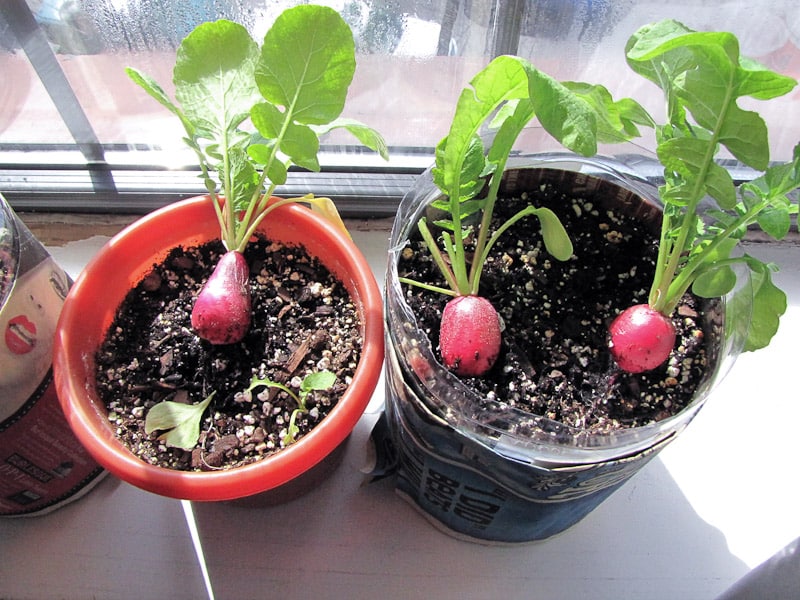
If you’re looking for a quick harvest, radishes are your best friend. These fast-growing root vegetables mature in as little as three to four weeks, making them a perfect option for beginner indoor gardeners.
Radishes don’t need deep containers—6 inches of depth is enough for most varieties. Choose a sunny windowsill and sow seeds directly into the soil.
Keep the soil lightly moist, and soon you’ll have peppery, crunchy radishes to harvest. Try ‘Cherry Belle’ or ‘French Breakfast’ varieties for best indoor results.
5. Lettuce and Salad Greens
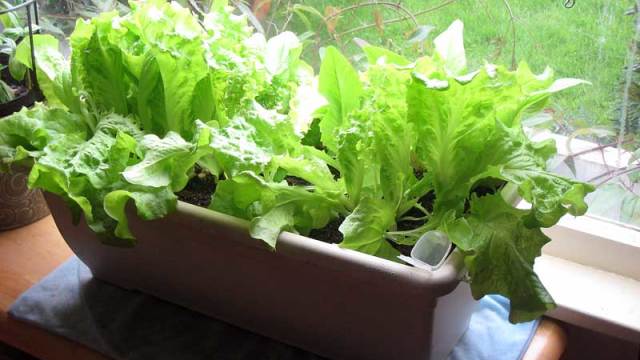
Nothing beats the convenience of harvesting fresh lettuce for your salad right from your windowsill.
Leafy greens like romaine, butterhead, arugula, spinach, and kale grow extremely well indoors. They don’t need deep pots, and many grow quickly—some in as little as 25 days.
Sow seeds directly in shallow containers and place them in a south-facing window or under grow lights. Use the cut-and-come-again method by harvesting outer leaves and allowing the center to continue growing.
With succession planting every few weeks, you can have a continuous supply of salad greens year-round.
6. Bell Peppers
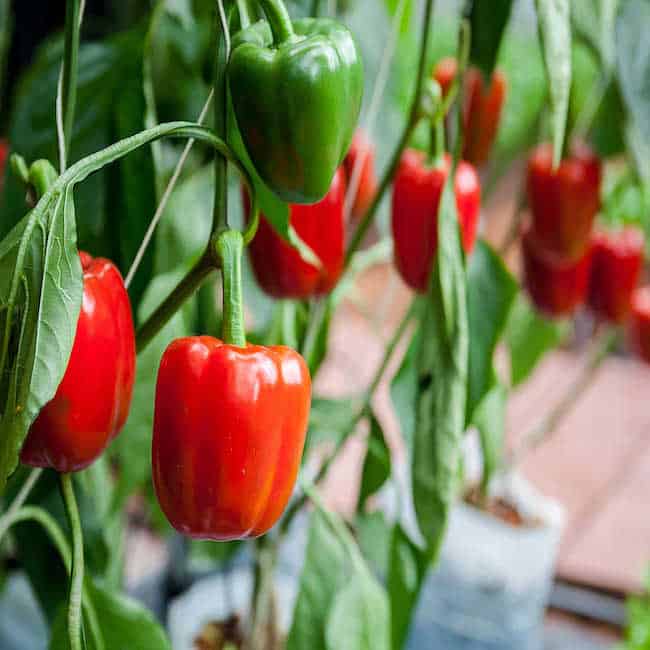
In addition to smaller hot peppers, you can also grow sweet bell peppers indoors with a bit more space and care.
Bell pepper plants grow larger and need deeper pots—at least 2 gallons in size with a depth of 12–14 inches. They also need a warm environment and plenty of sunlight.
If your apartment stays warm and you can provide a bright spot or supplemental light for 8–10 hours a day, bell peppers will thrive.
Look for compact varieties like ‘Mini Belle’ or ‘California Wonder’ which are more suitable for containers.
7. Carrots
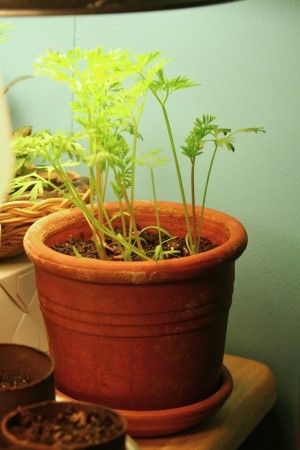
Carrots are surprisingly apartment-friendly when planted in deep containers—at least 8 to 12 inches deep, depending on the variety.
Choose short or round varieties like ‘Thumbelina’, ‘Paris Market’, or ‘Nantes’ for the best indoor results.
Use loose, well-draining potting mix and avoid compacted soil, which can cause misshapen roots. Carrots need plenty of light (a sunny window or grow lights) and consistent moisture.
In 6 to 8 weeks, you’ll be able to pull up sweet, crunchy carrots straight from your indoor “garden.”
8. Green Beans
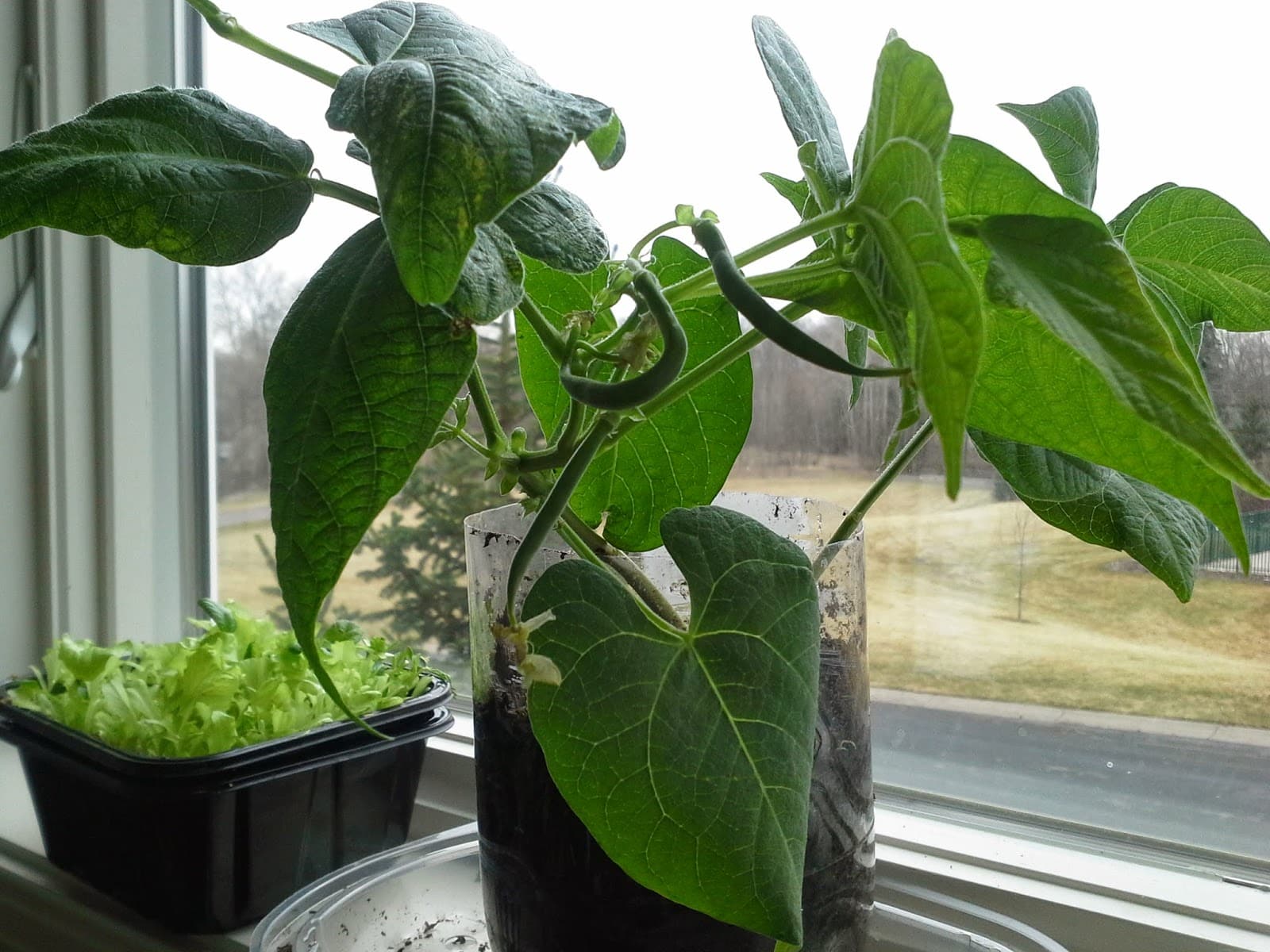
Yes, even green beans can be grown in your apartment—especially bush varieties that don’t need a trellis.
If you have a bright, sunny window that gets around 8 hours of sunlight a day, you can enjoy homegrown beans in about two months.
If you prefer pole beans, you can still grow them indoors using a container and a simple vertical support like a bamboo stake or small trellis.
Beans grow quickly and produce prolifically in warm, well-lit environments. Use a pot at least 8–10 inches deep with good drainage.
9. Scallions (Green Onions)
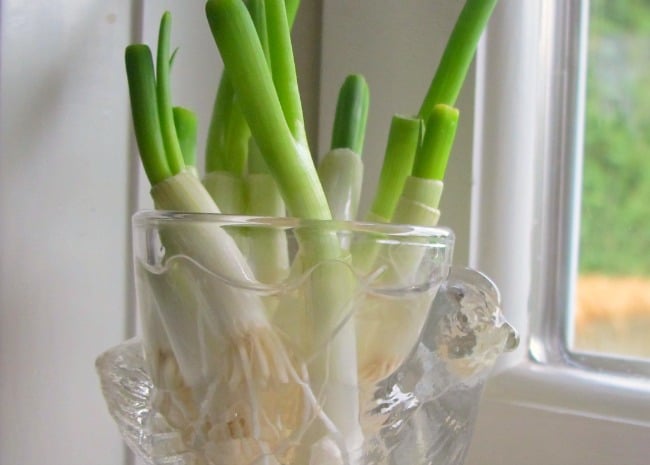
Green onions are perhaps the easiest vegetable to regrow indoors—even without soil. Simply place the white roots from used scallions in a glass of water on your kitchen windowsill.
In just a few days, green shoots will begin to regrow. Change the water every 2–3 days, and snip off what you need as they grow.
You can also plant them in soil to keep them producing even longer. They require minimal care and provide a steady supply of garnish for soups, omelets, salads, and more.
Urban living doesn’t have to mean giving up fresh, homegrown food. With just a bit of sunlight, a few containers, and some creativity, you can grow a surprising variety of vegetables inside your apartment.
Not only does indoor gardening help you eat healthier, but it also cuts down on grocery costs, reduces waste, and offers the satisfaction of growing your own food.
So the next time you’re grocery shopping, consider skipping the produce aisle—and growing it yourself instead. Your indoor garden, no matter how small, is a big step toward a more sustainable, fresh, and flavorful lifestyle.