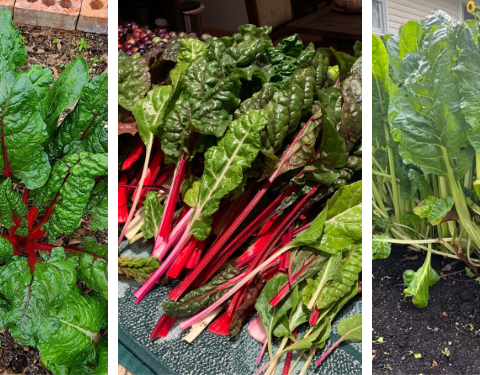
Epsom salt, also known as magnesium sulfate, is a powerhouse ingredient in the gardening world.
While it’s commonly known for soothing sore muscles, many gardeners swear by its effectiveness in boosting plant health, improving soil quality, and enhancing vegetable and flower production.
If you’ve never considered using Epsom salt in your garden, these surprising tips will change the way you grow plants!
In this guide, we’ll explore the incredible benefits of Epsom salt and how you can use it effectively in your garden.
1. Boosts Seed Germination for a Strong Start
Why It Works:
Epsom salt is rich in magnesium, a vital nutrient that aids in seed germination. Magnesium helps plants produce chlorophyll, which is essential for photosynthesis and early root development.
How to Use It:
- Mix one tablespoon of Epsom salt per gallon of water.
- Use this solution to soak seeds before planting.
- Water newly planted seeds with the same mixture to improve their chances of sprouting strong and healthy.
💡 Pro Tip: This method is particularly beneficial for tomatoes, peppers, and beans.
2. Enhances Nutrient Absorption
Why It Works:
Epsom salt improves a plant’s ability to absorb essential nutrients like nitrogen and phosphorus, making fertilizers more effective.
How to Use It:
- Add one tablespoon of Epsom salt per gallon of water and use it to water your plants once a month.
- Sprinkle a small amount around the base of plants before watering for gradual absorption.
💡 Pro Tip: Use this trick on plants like roses, tomatoes, and citrus trees for optimal growth.
3. Prevents Yellowing Leaves (Magnesium Deficiency)
Why It Works:
Yellowing leaves can be a sign of magnesium deficiency, which inhibits a plant’s ability to produce chlorophyll.
How to Use It:
- Dissolve two tablespoons of Epsom salt per gallon of water.
- Spray directly onto the leaves of plants showing signs of yellowing.
- Repeat every two weeks for best results.
💡 Pro Tip: This is especially useful for tomato, pepper, and citrus plants, which are more prone to magnesium deficiencies.
4. Improves Flowering and Fruit Production
Why It Works:
Magnesium is crucial for blooming plants and fruit-bearing crops, promoting healthier blossoms and increasing yields.
How to Use It:
- Sprinkle one tablespoon of Epsom salt around the base of flowering plants once a month.
- Dissolve two tablespoons in a gallon of water and apply as a foliar spray every two weeks.
💡 Pro Tip: Use this method on roses, tomatoes, and peppers for vibrant blooms and abundant harvests.
5. Natural Pest Control Solution
Why It Works:
Epsom salt can deter common garden pests like slugs and snails, which can damage plant leaves and stems.
How to Use It:
- Sprinkle Epsom salt around the base of plants to keep slugs and snails at bay.
- Create a spray by dissolving one tablespoon in a gallon of water and applying it to the soil.
💡 Pro Tip: Combine with diatomaceous earth for a powerful organic pest control method.
6. Strengthens Root Systems
Why It Works:
Healthy roots mean healthier plants. Magnesium in Epsom salt enhances root development, making plants more resistant to environmental stress.
How to Use It:
- Mix two tablespoons of Epsom salt per gallon of water and pour at the base of plants every month.
- Use when transplanting seedlings to reduce shock and encourage strong root growth.
💡 Pro Tip: This method works exceptionally well for fruit trees, vegetables, and flowering shrubs.
7. Revives Tired Lawns
Why It Works:
Epsom salt can help restore magnesium-deficient lawns, leading to lush, green grass.
How to Use It:
- Mix three pounds of Epsom salt per 1,250 square feet of lawn.
- Apply using a spreader or dissolve in water for even distribution.
💡 Pro Tip: Apply in early spring and summer for the best results.
8. Helps in Composting
Why It Works:
Adding Epsom salt to compost piles enhances microbial activity, speeding up decomposition and enriching compost quality.
How to Use It:
- Sprinkle one cup of Epsom salt per cubic yard of compost.
- Mix well to ensure even distribution.
💡 Pro Tip: Using Epsom salt in compost helps create richer, more nutrient-dense soil for your garden.
Epsom salt is a versatile and inexpensive tool that every gardener should have in their arsenal.
From enhancing plant growth and boosting nutrient absorption to deterring pests and revitalizing lawns, the benefits of Epsom salt are endless.
By incorporating these simple yet effective gardening hacks, you can create a thriving, healthy garden without relying on synthetic chemicals.