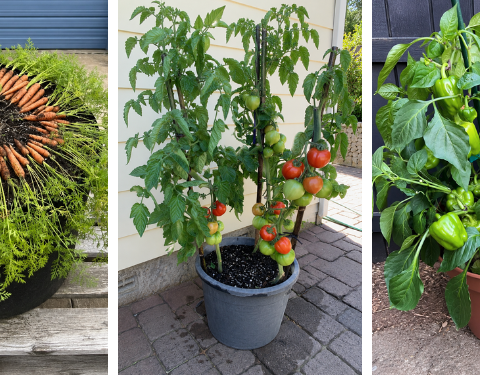
Starting a home garden is one of the most satisfying steps you can take toward healthier eating, reduced grocery bills, and a more sustainable lifestyle.
But what if you’re short on time or patience? The good news is that not all vegetables take months to mature—some grow so quickly, you can start harvesting in as little as 7 to 30 days.
Whether you’re growing in raised beds, containers, a small backyard, or even a sunny balcony, these fast-growing vegetables can help you enjoy quick and consistent yields throughout the season.
These are ideal for beginner gardeners, busy families, urban gardeners, or anyone eager to see results fast.
In this guide, you’ll discover 18 of the fastest-growing vegetables, along with expert tips to speed up your harvest and make the most of your growing space.
Why Choose Fast-Growing Vegetables?
Fast-growing vegetables offer a range of benefits, including:
- Quick harvests (great for kids or beginner gardeners)
- Succession planting opportunities (replant after harvest for multiple crops)
- Maximized use of small spaces
- Fresh, nutrient-rich produce at your fingertips
- A great way to supplement your grocery store trips
Let’s dig into the 18 fastest-growing vegetables you can plant and enjoy almost right away.
1. Radishes (22–30 Days)
Radishes are a top choice when you need results fast. These crunchy root vegetables are ready to harvest in just 3–4 weeks from seed.
Varieties to try: Cherry Belle, French Breakfast, White Icicle
Tips:
- Grow in full sun with loose, well-draining soil.
- Water consistently to prevent spiciness and cracking.
- Sow every 7–10 days for continuous harvests.
2. Arugula (20–25 Days)
Arugula, also known as rocket, is a leafy green with a bold, peppery taste. It’s ideal for spring and fall gardens and grows exceptionally fast.
Harvest tip: Begin picking baby leaves in just 2–3 weeks. Older leaves may become bitter.
3. Lettuce (25–30 Days)
Loose-leaf lettuce varieties like Red Salad Bowl or Buttercrunch can be harvested in as little as 3–4 weeks. You can harvest outer leaves while letting the plant continue to grow.
Best practice: Use succession planting to enjoy fresh greens throughout the season.
4. Spinach (25–30 Days)
Spinach thrives in cool weather and grows quickly. It’s loaded with iron, calcium, and other essential nutrients.
Tip: Pick baby spinach at 3–4 inches tall for salads. Mature spinach can be used in sautés, omelets, and soups.
5. Green Onions (Scallions) – 20–30 Days
Green onions are quick to grow and ideal for containers or kitchen windowsills. Even easier—you can regrow them from store-bought scraps.
Growing hack: Place root ends in a cup of water until they sprout, then transplant into soil.
6. Microgreens (7–14 Days)
If you want super-speedy veggies, microgreens are the fastest option. Harvested in just 1–2 weeks, microgreens are the young shoots of veggies like radish, broccoli, mustard, and kale.
Why grow them? They pack 4–40 times the nutrients of mature leaves.
7. Cress (10–14 Days)
Garden cress is another incredibly fast-growing green, sprouting in just a few days and ready to eat within 1–2 weeks. It has a peppery flavor similar to arugula.
Grow tip: You can grow cress indoors on a damp paper towel, no soil required.
8. Baby Carrots (30–40 Days)
While standard carrots take 60–80 days, baby carrots can be harvested much earlier. They’re perfect for raised beds and containers.
Best varieties: Little Finger, Parisian, Thumbelina
Soil tip: Make sure soil is free of rocks to allow straight root development.
9. Bok Choy (30 Days for Baby, 45 for Mature)
Bok choy is a fast-growing member of the cabbage family that produces tender leaves and crunchy stalks. Baby bok choy varieties mature in about 30 days.
Growing tip: Best grown in spring or fall for sweet, mild flavor.
10. Turnips (30–40 Days for Roots, 20 Days for Greens)
Turnips are another dual-purpose crop. Harvest the leafy greens early, then wait a few more weeks for the tender, sweet roots.
Quick pick: Tokyo Cross turnips are small and ready in just over a month.
11. Beets (30–40 Days for Greens, 50+ for Roots)
Beet greens can be picked as early as 3 weeks, making them one of the quickest leafy crops. The roots take a little longer but are worth the wait.
Pro tip: Thin beet seedlings by harvesting some early and leaving the rest to mature.
12. Mustard Greens (20–30 Days)
Spicy and tender, mustard greens grow extremely fast and are ideal for salads and stir-fries. They are cold-tolerant and thrive in spring or fall.
Harvest tip: Pick young leaves to avoid bitterness and encourage new growth.
13. Kale (25–30 Days for Baby Leaves, 50+ for Full Size)
Baby kale can be harvested in under 30 days, while full-sized kale takes 50–60 days. This superfood is rich in iron, fiber, and antioxidants.
Grow tip: Pick outer leaves to allow the plant to continue producing for months.
14. Chard (30–40 Days for Baby Greens)
Swiss chard comes in beautiful rainbow colors and grows quickly. It’s heat-tolerant and more resilient than spinach in warmer climates.
Use: Great for sautéing or using raw in salads when harvested young.
15. Romaine Lettuce (30–40 Days for Young Leaves, 60 for Heads)
Romaine is a staple for Caesar salads and grows fast in cooler weather. Baby leaves can be picked after about 30 days.
Pro tip: Plant in blocks or rows and harvest by snipping young leaves to encourage regrowth.
16. Bush Beans (40–50 Days)
Bush beans produce quickly, and you’ll begin harvesting in about 6–7 weeks. Unlike pole beans, they don’t require support.
Varieties to try: Contender, Blue Lake 274
Harvest tip: Pick beans when they are tender and young for best flavor.
17. Zucchini (45–55 Days)
Zucchini is a fast-growing summer squash that produces abundantly. You can even start harvesting the blossoms in just a few weeks.
Bonus: One or two plants are usually enough to feed a family.
18. Peas (Snow and Snap Peas – 50–60 Days)
Snow and snap peas are cold-tolerant legumes that grow quickly in spring. Pea shoots can be harvested in 2–3 weeks, while pods are ready in about 6–8 weeks.
Best varieties: Oregon Sugar Pod, Sugar Ann
Expert Tips to Speed Up Growth
Want your veggies even faster? Here are some gardening strategies to accelerate growth:
1. Start with Good Soil
Use high-quality compost-rich soil that drains well and is full of nutrients.
2. Use Warm Water for Germination
Seeds germinate faster in warm soil—try pre-warming the soil or starting indoors.
3. Pre-Soak Seeds
Soaking seeds for 12–24 hours before planting can help speed up sprouting.
4. Use Raised Beds or Containers
These warm up faster than ground soil and allow for better drainage.
5. Feed Your Plants
Use natural fertilizers or compost tea to provide essential nutrients and support rapid growth.
6. Harvest Early and Often
Frequent harvesting encourages more growth in leafy vegetables and prolongs the plant’s life cycle.
With so many fast-growing vegetables to choose from, there’s no reason to wait months for a harvest.
Whether you’re eager for fresh salad greens or looking for quick homegrown ingredients for your meals, these 18 crops are perfect for time-conscious gardeners.
You don’t need a huge yard or complicated equipment to get started—just a little sunlight, some quality soil, and seeds.
Start small, keep planting every few weeks, and you’ll be enjoying your own nutritious produce in no time.