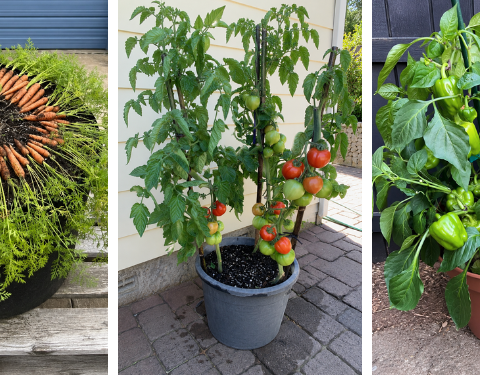
Growing your own vegetables at home is one of the most rewarding and sustainable ways to enjoy fresh, organic food.
Not only does it save you money, but it also ensures that your food is free from harmful chemicals and pesticides.
Plus, there’s nothing quite like the taste of homegrown tomatoes, crisp lettuce, and flavorful herbs straight from your garden!
If you’re new to vegetable gardening or looking to improve your skills, this guide will walk you through everything you need to know—from choosing the best location to harvesting your crops successfully.
1. Choosing the Right Location for Your Vegetable Garden
The success of your vegetable garden starts with the right location. Here’s what you need to consider:
Sunlight Requirements
Most vegetables need at least 6–8 hours of direct sunlight daily. Leafy greens like spinach and lettuce can tolerate partial shade, but fruiting plants like tomatoes, peppers, and cucumbers thrive in full sun.
Access to Water
Vegetables need consistent watering, especially during hot months. Choose a location near a water source to make watering easier. A drip irrigation system or a soaker hose can help keep the soil evenly moist.
Protection from Wind & Pests
Strong winds can damage plants, so try to plant near a fence or windbreak. Use raised beds or netting to protect against pests like rabbits, birds, and insects.
Soil Quality
Good soil is the foundation of a successful vegetable garden. Your soil should be well-draining, nutrient-rich, and slightly loose to allow roots to grow easily.
2. Preparing the Soil for Vegetable Gardening
Healthy soil leads to healthy plants! Here’s how to prepare your soil for maximum vegetable growth.
Test Your Soil
Before planting, it’s best to test your soil pH and nutrient levels. You can use a home testing kit or send a sample to a local agricultural extension office.
- Ideal Soil pH for Vegetables: 6.0 – 7.0
- Acidic Soil? Add lime to increase pH.
- Alkaline Soil? Add sulfur or peat moss to lower pH.
Add Organic Matter
Enrich the soil with compost, aged manure, or organic matter to boost nutrients. This helps improve soil structure, drainage, and moisture retention.
Mulching for Soil Health
Applying organic mulch (straw, leaves, or grass clippings) around your plants will:
- Suppress weeds
- Retain soil moisture
- Improve soil fertility
3. Choosing the Best Vegetables for Your Garden
Not all vegetables grow well in every climate! The key to success is choosing the right vegetables for your region and planting them at the right time.
Easy Vegetables for Beginners
Lettuce & Leafy Greens – Grow quickly and require minimal maintenance.
Radishes – Fast-growing and ready to harvest in just 3–4 weeks.
Carrots – Thrive in loose, sandy soil.
Tomatoes – Require full sun and regular watering.
Peppers – Heat-loving plants that grow well in containers.
Zucchini & Squash – High-yielding and easy to grow.
Cool-Season vs. Warm-Season Vegetables
Cool-Season Vegetables – Lettuce, spinach, kale, peas, carrots, broccoli (Plant in early spring or fall).
Warm-Season Vegetables – Tomatoes, cucumbers, peppers, eggplant, beans (Plant after the last frost).
Companion Planting for a Thriving Garden
Certain plants grow better together, while others should be kept apart.
Tomatoes + Basil – Improves tomato flavor & repels pests.
Carrots + Onions – Onions deter carrot flies.
Corn + Beans + Squash (Three Sisters Method) – Beans fix nitrogen, corn provides support, squash prevents weeds.
Avoid planting potatoes next to tomatoes, as they attract the same diseases.
4. Planting Your Vegetables the Right Way
Direct Sowing vs. Transplanting
- Direct Sowing – Planting seeds directly into the ground (e.g., carrots, radishes, beans).
- Transplanting – Starting seeds indoors and moving seedlings outdoors (e.g., tomatoes, peppers).
Spacing & Depth
Plant seeds at the recommended depth listed on the seed packet. Crowded plants compete for nutrients and sunlight, so give them enough space to grow.
Using Raised Beds or Containers
If you have poor soil or limited space, consider using raised beds or containers. These options allow for better drainage, fewer weeds, and easier maintenance.
5. Watering & Feeding Your Vegetables
Best Watering Practices
- Water early in the morning to reduce evaporation.
- Avoid overhead watering to prevent fungal diseases.
- Use drip irrigation or a soaker hose for deep, consistent watering.
Natural Fertilizers for Vegetables
- Compost Tea – Provides slow-release nutrients.
- Fish Emulsion – Boosts nitrogen for leafy greens.
- Banana Peel Fertilizer – Adds potassium for fruiting plants.
6. Protecting Your Vegetable Garden from Pests & Diseases
Even with the best care, pests and diseases can be a problem. Here’s how to keep them under control naturally.
Beneficial Insects
Encourage ladybugs, lacewings, and praying mantises, which feed on harmful pests like aphids and caterpillars.
Common Garden Pests & Natural Solutions
Aphids – Spray with neem oil or a garlic-pepper spray.
Caterpillars – Hand-pick or use floating row covers.
Slugs & Snails – Use crushed eggshells or diatomaceous earth around plants.
Preventing Plant Diseases
- Crop Rotation – Avoid planting the same vegetables in the same spot each year.
- Proper Spacing – Prevents fungal diseases by increasing airflow.
- Healthy Soil – Adds organic matter to build disease-resistant plants.
7. Harvesting & Storing Your Vegetables
When to Harvest?
Most vegetables should be harvested when they are young and tender for the best flavor.
Lettuce & Greens – Cut outer leaves as needed, allowing inner leaves to continue growing.
Tomatoes – Pick when fully colored but still firm.
Root Vegetables – Pull when they reach full size but before they become woody.
Storing Fresh Vegetables
Leafy Greens – Store in a damp cloth in the fridge.
Root Vegetables – Keep in a cool, dark place (not the fridge).
Herbs – Dry or freeze for long-term use.
Growing your own vegetables is one of the most fulfilling experiences you can have. With the right knowledge and a little patience, you can enjoy fresh, organic produce right from your backyard.
Quick Recap for Success:
- Choose a sunny, well-drained location.
- Prepare nutrient-rich soil with compost.
- Select easy-to-grow vegetables for your climate.
- Water wisely and feed plants with organic fertilizers.
- Protect against pests & diseases naturally.
💬 What vegetables are you excited to grow this season? Share your gardening tips in the comments!