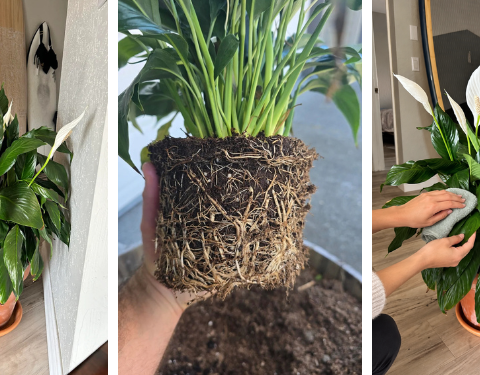
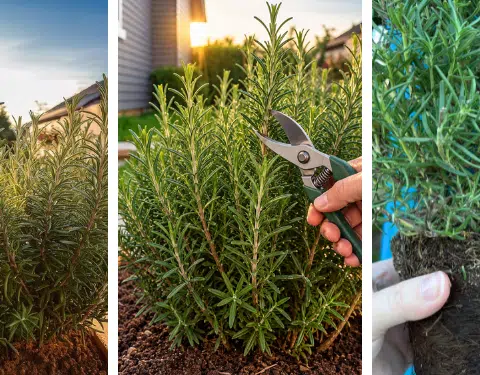
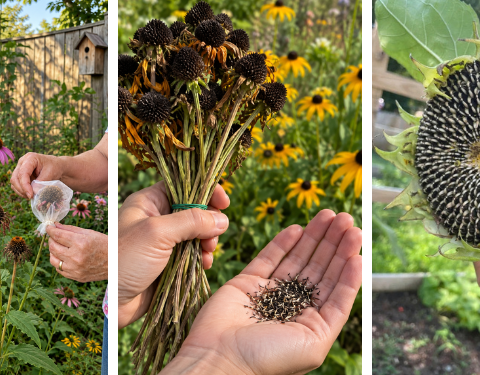
Planting herbs at home is not just a fun and rewarding activity—it’s also a powerful way to improve your health, reduce stress, and save money.
Whether you’re an experienced gardener or just starting, growing your own herbs ensures you have fresh, organic ingredients at your fingertips whenever you need them.
Many herbs are not only delicious in cooking, but they also offer incredible healing properties that can support digestion, reduce inflammation, and even help manage stress.
Why buy expensive, store-bought herbs when you can grow them fresh at home?
Here’s everything you need to know about three powerful medicinal herbs—Chamomile, Basil, and Aloe Vera—and how to grow them successfully.
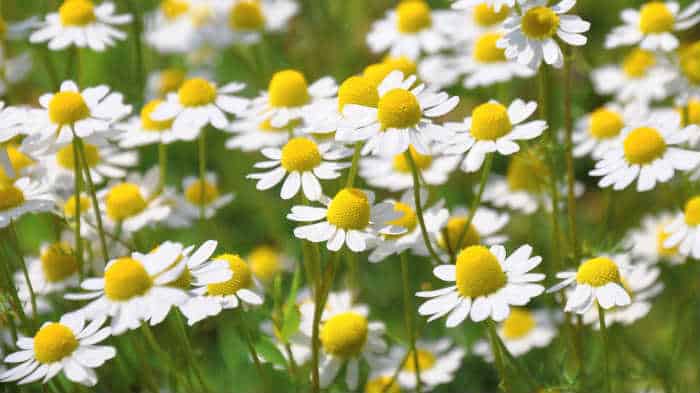
1. Chamomile – The Soothing Healer for Stress and Digestion
Chamomile is one of the most widely used medicinal herbs and has been cherished for centuries for its calming and anti-inflammatory properties.
If you love drinking chamomile tea, growing your own chamomile plant will ensure you always have a fresh, organic supply right at home.
Health Benefits of Chamomile:
- Reduces Stress & Anxiety – Chamomile tea is well-known for promoting relaxation and reducing tension. Drinking a warm cup before bed can help with insomnia and improve sleep quality.
- Aids Digestion – Chamomile helps soothe upset stomachs, nausea, bloating, and acid reflux. It is also effective in managing irritable bowel syndrome (IBS) and gastric discomfort.
- Treats Skin Irritations & Wounds – Chamomile has natural anti-inflammatory and antibacterial properties, making it effective for treating eczema, rashes, acne, burns, and insect bites.
- Relieves Menstrual Cramps – Drinking chamomile tea can help relax muscles and ease menstrual pain naturally.
How to Grow Chamomile at Home:
- Choose the Right Variety: German Chamomile (Matricaria chamomilla) grows annually, while Roman Chamomile (Chamaemelum nobile) is a perennial. Both are great for home gardens.
- Sunlight Needs: Chamomile thrives in full sun to partial shade. It requires at least 5-6 hours of sunlight per day.
- Soil Requirements: Well-draining, slightly alkaline soil (pH 6–7.5).
- Watering: Water lightly once or twice a week—avoid overwatering.
- Harvesting: Pick fresh flowers when they are fully open, dry them, and use them to brew homemade chamomile tea.
Tip: You can use chamomile tea as a natural pesticide—just brew a strong tea and spray it on plants to repel harmful insects.
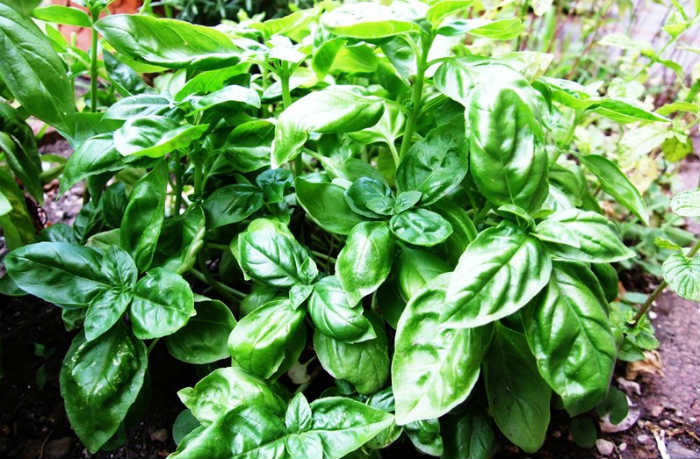
2. Basil – The Antioxidant-Rich Super Herb
Basil is a fragrant, flavorful herb that is not only a key ingredient in Italian and Asian cuisine, but also a medicinal powerhouse. This easy-to-grow plant thrives indoors and outdoors, making it an excellent choice for beginners.
Health Benefits of Basil:
- Boosts Immunity – Basil is packed with antioxidants and essential oils that help strengthen the immune system.
- Fights Inflammation & Arthritis – A compound called eugenol in basil helps reduce inflammation and joint pain, making it a natural remedy for rheumatoid arthritis.
- Protects Against Infections – Basil has antibacterial and antifungal properties that can help fight infections and promote faster wound healing.
- Aids Digestion & Reduces Gas – Basil soothes the stomach, relieves indigestion, and helps prevent bloating.
- Supports Heart Health – Basil contains magnesium, which helps improve blood circulation and reduce high blood pressure.
How to Grow Basil at Home:
- Choose the Right Variety: Sweet Basil (Ocimum basilicum) is great for culinary use, while Holy Basil (Tulsi) has stronger medicinal properties.
- Sunlight Needs: Basil requires 6–8 hours of sunlight daily for best growth.
- Soil Requirements: Well-draining soil with rich organic matter.
- Watering: Keep soil slightly moist—avoid waterlogging.
- Pruning: Trim basil leaves regularly to encourage bushy growth and prevent flowering (which makes the leaves bitter).
Tip: Store excess basil by drying the leaves or freezing them in olive oil for future use in soups, sauces, and teas.
3. Aloe Vera – The Ultimate Skin & Digestive Healer
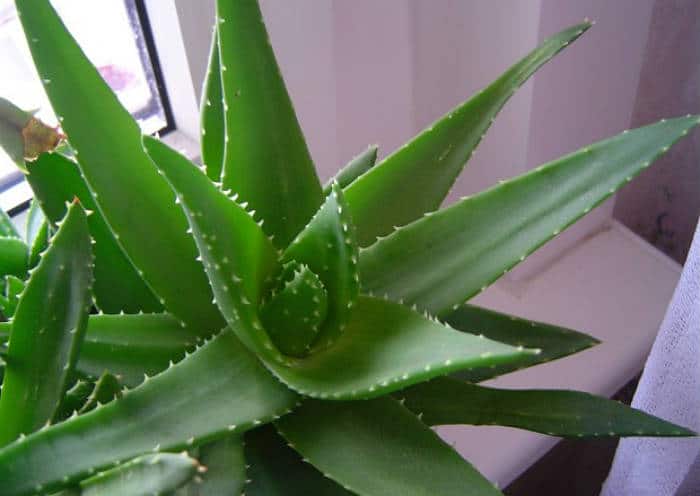
Aloe Vera is one of the most versatile medicinal plants and has been used for thousands of years for its healing and soothing properties. This low-maintenance succulent is perfect for anyone looking for a supercharged natural remedy at home.
Health Benefits of Aloe Vera:
- Soothes Burns & Skin Irritations – Aloe Vera is a natural moisturizer that heals sunburns, acne, eczema, and minor wounds.
- Aids Digestion & Detoxifies the Body – Aloe Vera juice improves gut health, relieves constipation, bloating, and acid reflux, and helps with stomach ulcers.
- Strengthens the Immune System – Aloe Vera contains antioxidants and boosts the body’s natural defense mechanisms.
- Regulates Blood Sugar Levels – Some studies suggest Aloe Vera may help lower blood sugar levels, making it beneficial for diabetics.
How to Grow Aloe Vera at Home:
- Choose the Right Pot: Use a wide, deep container to allow the roots to spread.
- Sunlight Needs: Aloe Vera thrives in bright, indirect sunlight (avoid direct, harsh sun).
- Soil Requirements: Well-draining cactus soil mix works best.
- Watering: Water deeply every 2-3 weeks, allowing the soil to fully dry between waterings.
- Harvesting: Cut off outer leaves when needed—use the gel directly on skin or blend it into smoothies for internal benefits.
Tip: Avoid overwatering—Aloe Vera stores water in its leaves and can rot if kept too wet.
Growing medicinal herbs at home is an easy and rewarding way to take control of your health. With Chamomile, Basil, and Aloe Vera, you can:
Enjoy fresh, organic herbs anytime—without the grocery store cost.
Improve your health naturally, using powerful, time-tested remedies.
Reduce stress, enhance digestion, and boost immunity with herbal teas and tonics.
Beautify your home and garden while cultivating a healthier lifestyle.
💬 What herbs do you love growing at home? Share your favorite medicinal herbs in the comments below!