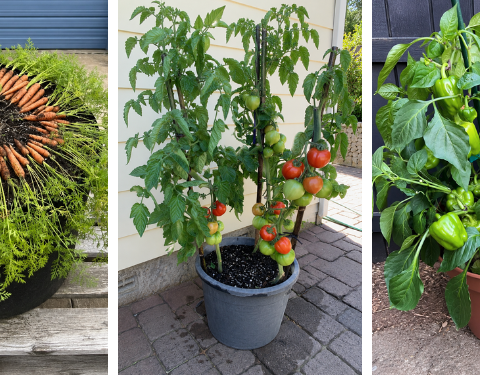
Planning a garden is an exciting and rewarding endeavor, but without proper preparation, you can run into some common mistakes that may impact your success.
Whether you’re a beginner or an experienced gardener, it’s important to strategize your planting to ensure your garden thrives.
Here are three common garden planning mistakes and how to avoid them for a flourishing, productive garden.
Mistake #1: Not Planning for Sunlight and Shade Needs
One of the biggest mistakes gardeners make is not considering the sunlight and shade requirements of different plants.
Some plants thrive in full sun, while others prefer partial shade or full shade. Failing to accommodate these needs can lead to poor growth, weak plants, and low yields.
How to Avoid This Mistake:
✔ Assess Sunlight Patterns: Spend time observing how much sunlight different areas of your garden receive throughout the day.
Full-sun plants need at least 6-8 hours of direct sunlight, while partial-shade plants need around 3-6 hours.
✔ Group Plants by Light Needs: When planning your garden, organize plants according to their light requirements.
Tomatoes, peppers, and cucumbers thrive in full sun, while lettuce, spinach, and ferns do better in shadier areas.
✔ Use Sun-Loving and Shade-Tolerant Companion Planting: Maximize your space by using taller plants to create shade for those that need it.
For example, plant corn near lettuce or spinach to shield them from excessive heat.
✔ Rotate Crops Yearly: If you’re planting vegetables, rotating them each year helps prevent soil depletion and optimizes the use of sunlight in different garden areas.
🌞 Pro Tip: If your garden has limited sunlight, consider using reflective mulch or white surfaces to help bounce light onto shaded plants.
Mistake #2: Overcrowding Plants
It’s tempting to fit as many plants as possible into your garden space, but overcrowding can lead to a variety of problems, including poor airflow, increased disease risk, and competition for nutrients.
How to Avoid This Mistake:
✔ Follow Proper Spacing Guidelines: Each plant has specific spacing needs that should be followed for optimal growth. For example:
- Tomatoes: 18-24 inches apart
- Carrots: 2-3 inches apart
- Zucchini: 24-36 inches apart
✔ Use Vertical Gardening Techniques: If you have a small garden, grow vining plants vertically using trellises, cages, or stakes. This maximizes space while improving airflow.
✔ Thin Out Seedlings: If you’ve started plants from seed, make sure to thin out weaker seedlings to give the strongest plants ample room to grow.
✔ Choose Compact Varieties: Look for dwarf or bush varieties of plants, such as bush tomatoes or compact zucchini, that require less space but still provide great yields.
🌱 Pro Tip: Utilize succession planting, where you stagger plantings every two to three weeks, to make better use of available space and ensure continuous harvests.
Mistake #3: Ignoring Soil Quality and Preparation
Healthy soil is the foundation of a productive garden, yet many gardeners overlook proper soil preparation.
Poor soil quality can lead to stunted growth, weak plants, and poor nutrient absorption.
How to Avoid This Mistake:
✔ Test Your Soil Before Planting: Use a soil testing kit to check for pH levels and nutrient deficiencies. Ideal garden soil should have a pH between 6.0 and 7.0. ✔ Amend the Soil as Needed:
- Add compost or organic matter to improve nutrient content.
- Use peat moss or coconut coir to improve soil structure and water retention.
- Incorporate bone meal or rock phosphate for phosphorus, essential for root development.
✔ Avoid Over-Tilling: While tilling can help mix nutrients, over-tilling can destroy beneficial soil microbes and lead to soil compaction over time.
✔ Practice Crop Rotation: Changing plant locations each season prevents soil depletion and reduces the risk of soil-borne diseases.
✔ Use Mulch for Moisture Retention: Organic mulches like wood chips, straw, or grass clippings help retain soil moisture and suppress weeds.
🌿 Pro Tip: If your soil is poor or rocky, consider raised bed gardening or container gardening as an alternative.
Final Thoughts: Plan Your Garden for Success
By avoiding these three common garden planning mistakes, you can create a thriving and productive garden that brings beauty and fresh produce to your home. Remember to:
✔ Observe your sunlight patterns and plant accordingly.
✔ Give plants enough space to grow and thrive.
✔ Invest in soil health for long-term gardening success.