If you’re a houseplant lover dealing with curious pets – or just someone who’s tired of cleaning up spilled dirt – there’s good news.
Many common houseplants can thrive without soil, growing instead in just water. This method, often called water propagation or semi-hydroponics, eliminates the need for potting mix, reduces mess, and adds a stylish, modern touch to your indoor space.
Growing plants in water is also ideal for pet parents. Without soil to dig in or fertilizer granules to eat, curious cats and dogs are far less likely to get into trouble. All you need is a clear vase, jar, or glass container, a few healthy cuttings, and clean water.
Here are 9 houseplants that grow beautifully in water and can help you create a low-maintenance, dirt-free urban jungle.
1. Pothos (Epipremnum aureum)
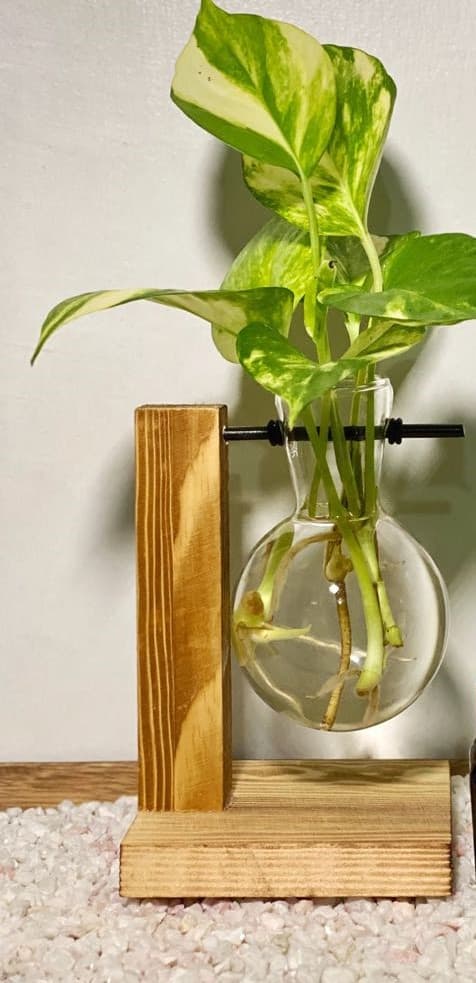
Pothos, also known as devil’s ivy, is one of the easiest plants to grow hydroponically. It features long trailing vines with heart-shaped green leaves (some variegated with white, yellow, or gold).
To grow pothos in water:
- Take 4–6 inch tip cuttings just below a node (the spot where leaves grow).
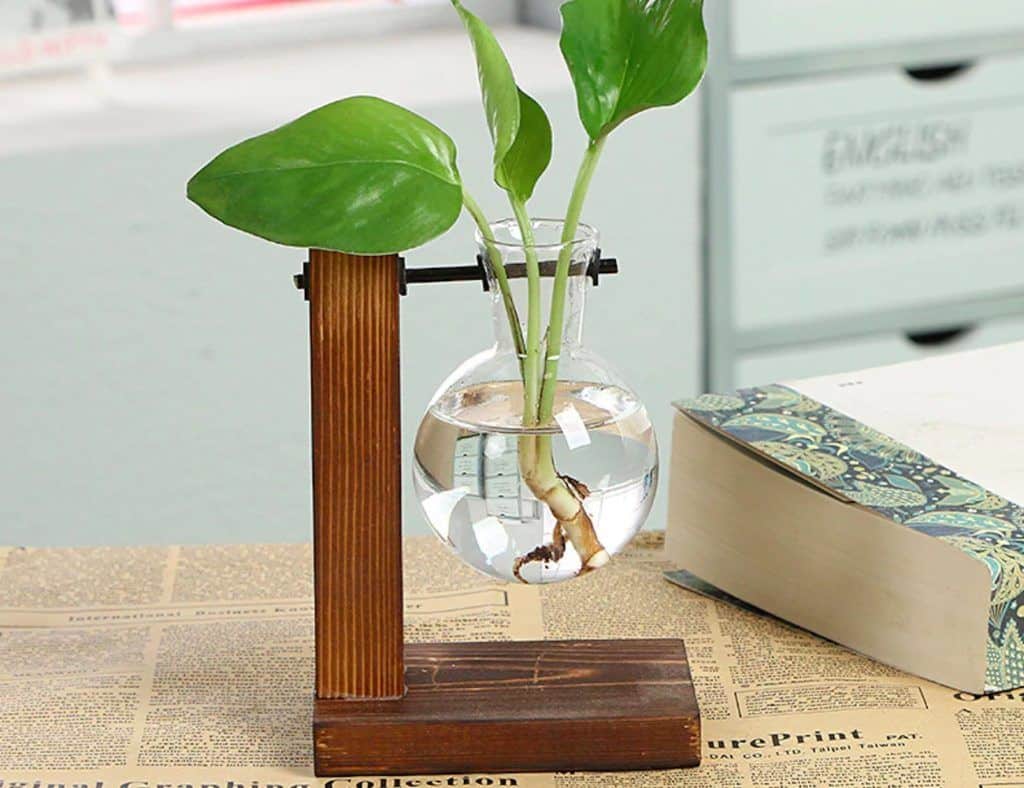
- Place the cut end in a clear glass or vase with water, ensuring 2–3 nodes are submerged.
- Change the water every week and keep the container in bright, indirect light.
Pothos will quickly develop roots and continue to grow for years without soil.
2. Arrowhead Plant (Syngonium podophyllum)
Arrowhead plants have distinct, arrow-shaped leaves and grow well in vining or bushy forms. Their striking foliage comes in shades of green, white, pink, or even burgundy.
To grow in water:
- Clip healthy stems with at least 2–3 nodes.
- Place the lower nodes in a vase of clean water.
- Provide bright but filtered sunlight.
Arrowhead plants are fast growers in water and look great trailing from a high shelf or macrame hanger.
3. Philodendrons (Heartleaf & Split-Leaf Types)
Both vining heartleaf philodendrons and larger monstera-like split-leaf varieties adapt well to water culture.
To propagate:
- Snip 6–8 inch growing tips.
- Place the cuttings in a sturdy glass vase or jar, making sure to support heavier varieties.
- Use pebbles or decorative stones to help anchor larger stems.
Philodendrons are forgiving and thrive with minimal attention, making them ideal for beginners.
4. Peace Lily (Spathiphyllum)
Peace lilies are known for their elegant white spathes and lush foliage. They can transition from soil to water with a little care.
To move to hydroponics:
- Remove the plant from its pot and gently wash off all soil.
- Trim damaged roots and place the plant into a wide-mouthed vase filled with water.
- Replace the water weekly to prevent root rot.
Peace lilies prefer medium to low light and will still bloom occasionally in water culture.
5. Aluminum Plant (Pilea cadierei)
The aluminum plant is a compact, bushy houseplant known for its silver-patterned leaves that resemble metallic brushstrokes.
To propagate:
- Take a few stem cuttings and submerge the lower leaf nodes in a glass of water.
- Place the container in a well-lit area away from direct sun.
It’s a lesser-known gem that adds texture and contrast to any indoor plant display.
6. Dracaena Varieties (Including Lucky Bamboo)
Despite the name, lucky bamboo is actually a species of dracaena (Dracaena sanderiana). Other dracaenas like the corn plant (D. fragrans) and Song of India (D. reflexa) also thrive in water.
To grow in water:
- Use cane sections or stem cuttings.
- Support upright growth with small rocks or pebbles at the bottom of a tall vase.
- Avoid chlorinated water – use filtered or distilled instead.
Dracaena plants grow slowly but steadily and are excellent for low-light areas.
7. Dieffenbachia (Dumb Cane)
Dieffenbachia is a tropical foliage plant with large, variegated leaves. While it’s beautiful, caution is needed—its sap can irritate skin and is toxic if ingested.
To grow in water:
- Take a top cutting and allow the cut end to dry and callous for a day.
- Place the cutting upright in a container of water.
- Keep out of reach of children and pets.
This plant grows best in bright, indirect light and will reward you with lush growth.
8. Chinese Evergreen (Aglaonema)
Chinese evergreens are hardy, slow-growing plants with bold foliage in green, silver, red, or pink.
To grow in water:
- Take stem cuttings or gently wash the soil off whole plants.
- Place in a jar with the roots submerged.
- Change the water weekly and avoid direct sunlight.
Aglaonema tolerates low light, making it perfect for darker corners of your home.
9. Spider Plant (Chlorophytum comosum)
Spider plants are a classic indoor favorite with cascading green-and-white striped leaves. They’re ideal for hanging baskets and do surprisingly well in water.
To grow hydroponically:
- Remove plantlets (baby offshoots) from the mother plant.
- Rinse off soil and place in a glass of water with the roots submerged.
- Place near a window with filtered light.
Spider plants in water require very little upkeep and only occasional water top-ups.
Growing houseplants in water is an elegant, clean, and pet-friendly way to enjoy greenery indoors.
It’s also a fun, beginner-friendly way to start propagating new plants without getting your hands dirty.
From fast-growing pothos and arrowhead vines to bold philodendrons and peace lilies, there’s a water-grown plant for every room and every style.
Try experimenting with glass vessels of different shapes and sizes for a decorative effect—your plants will not only thrive but also double as natural décor.
Just remember to refresh the water regularly and provide adequate light, and you’ll enjoy a lush, soil-free indoor jungle with minimal effort.