Slugs and snails can turn a healthy garden into a frustrating mess almost overnight. One evening your lettuce, hostas, basil, strawberries, and young seedlings look perfectly fine, and by morning they may be full of ragged holes, slime trails, or completely missing leaves.
These pests are especially active during cool, damp weather and often come out at night, after rain, or early in the morning.
They prefer tender new growth and can be particularly destructive in spring and early summer when seedlings are still small.
Here are nine natural ways to keep snails and slugs away from your plants.
1. Water in the Morning Instead of at Night
One of the easiest ways to reduce slug and snail activity is to change when you water.
Slugs and snails love damp soil, wet mulch, and cool nighttime conditions. If you water in the evening, the garden may remain moist for hours after sunset, creating exactly the environment these pests prefer.
Morning watering gives plants time to absorb moisture while allowing the soil surface and foliage to dry before nightfall.
This does not mean the soil should become completely dry. Your plants still need adequate moisture. The goal is simply to avoid leaving the surface excessively wet overnight.
For best results, water deeply at the base of the plants rather than lightly sprinkling the entire bed.
This helps roots grow deeper while reducing surface moisture.
2. Remove Damp Hiding Places
During the day, slugs and snails usually hide in cool, dark, damp locations.
Common hiding places include:
- Boards
- Stones
- Thick layers of wet leaves
- Dense weeds
- Upside-down pots
- Garden debris
- Overgrown groundcovers
If your beds contain lots of clutter close to vulnerable plants, you may be providing perfect daytime shelter for slugs.
Keep the area around seedlings and vegetables relatively clean. Remove rotting leaves, unnecessary boards, and thick mats of debris.
You do not need to make the garden sterile. Organic matter is valuable for soil health, and many beneficial creatures also need shelter. Instead, focus on reducing excessive hiding places immediately around plants that are being heavily damaged.
A cleaner planting area is also easier to inspect at night.
3. Hand-Pick Them After Dark
It may not sound glamorous, but hand-picking remains one of the most effective natural control methods.
Slugs and snails are usually most active:
- After sunset
- During damp evenings
- After rainfall
- Early in the morning
Take a flashlight and inspect the undersides of leaves, soil edges, pots, boards, and nearby mulch.
You may be surprised by how many pests are hiding within only a few feet of damaged plants.
Collect them into a container and relocate or dispose of them according to your preferred method.
Doing this for several nights in a row can dramatically reduce the local population.
This method works especially well in small gardens, raised beds, and containers where the growing area is easy to inspect.
4. Use Boards as Simple Traps
Instead of searching the entire garden, you can encourage slugs and snails to gather in one place.
Lay a flat board, piece of cardboard, overturned flowerpot, or similar object on damp soil near vulnerable plants.
The area underneath stays:
- Dark
- Cool
- Moist
which attracts slugs looking for shelter during the day.
Check underneath every morning.
Remove any slugs or snails you find and reset the trap.
This method is inexpensive, reusable, and particularly effective when combined with nighttime hand-picking.
Just remember that the trap itself is creating attractive shelter, so it must be checked regularly. Leaving it untouched for weeks may simply give the pests a comfortable home.
5. Protect Young Plants With Physical Barriers
Seedlings are often the most vulnerable plants in the entire garden.
A mature cabbage can survive a few chewed leaves, but a newly transplanted lettuce or basil seedling can disappear in a single night.
Physical barriers can be extremely useful during this critical stage.
Copper tape is one popular option for containers and raised beds. When a slug’s moist body touches copper, it may experience an unpleasant reaction that discourages it from crossing.
Copper works best when:
- The strip is wide enough
- The surface is clean
- No leaves bridge across the barrier
- Slugs are not already inside the protected area
For individual seedlings, collars made from smooth plastic containers can also make access more difficult.
Check barriers regularly because plant leaves touching surrounding soil can create an easy bridge.
6. Encourage Natural Slug Predators
A healthy garden contains many animals that naturally eat slugs and snails.
Depending on where you live, predators may include:
- Ground beetles
- Frogs
- Toads
- Some birds
- Hedgehogs
- Certain beneficial insects
Creating a diverse garden can help these predators establish themselves.
For example, a small wildlife-friendly pond may attract frogs and toads. Native shrubs and flowers can attract birds and insects. Leaving some undisturbed habitat away from the vegetable beds can provide shelter for beneficial predators.
Avoid unnecessary broad-spectrum insecticides because they may kill helpful insects along with pests.
The goal is to build a garden ecosystem in which slugs are part of the food chain rather than being allowed to multiply without resistance.
7. Use Coarse, Dry Barriers Carefully
Gardeners often experiment with rough materials around vulnerable plants.
These may include:
- Coarse sand
- Fine gravel
- Crushed dry leaves
- Certain mineral barriers
The idea is to create a surface that is difficult or uncomfortable for slugs to cross.
However, these barriers tend to work best only while they remain dry. After heavy rain, many lose much of their effectiveness.
Crushed eggshells are often recommended, but they should not be considered a guaranteed slug barrier. Slugs can cross rough surfaces, especially when the garden is damp.
If you use a dry barrier, treat it as an additional layer of protection rather than your only control method.
Keep the barrier broad and check whether slugs are still crossing it.
8. Use Beer Traps Strategically
Beer traps are one of the best-known home methods for catching slugs.
The fermented smell attracts slugs, which crawl toward the container and fall inside.
To make a simple trap, bury a small cup or shallow container so the rim sits close to soil level and add a small amount of beer.
Place it near—but not directly beside—valuable plants.
This placement matters because a strong attractant placed next to your lettuce may draw additional slugs toward the very plants you are trying to protect.
Check the trap frequently and refill it as needed.
Beer traps may capture some slugs, but they are unlikely to eliminate an entire population. They work best as part of a broader management strategy that includes habitat cleanup and hand-picking.
9. Grow Less-Attractive Plants Around Vulnerable Areas
Slugs do not eat every plant equally.
They strongly prefer tender, soft foliage, especially:
- Lettuce
- Hostas
- Young basil
- Strawberries
- New seedlings
- Brassicas
They are often less interested in plants with:
- Tough leaves
- Strong aromas
- Hairy foliage
- Thick or woody stems
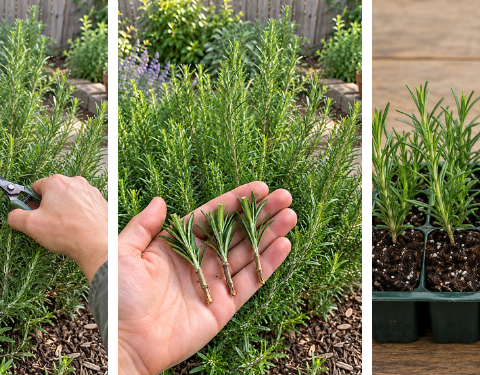
Plants such as rosemary, thyme, sage, lavender, and some ornamental grasses are generally less appealing than tender salad crops.
Planting these around vulnerable areas will not create an invisible force field, but it can help make a bed less dominated by slug-favorite foods.
It also increases plant diversity, which supports a healthier garden ecosystem overall.
Why Slugs Become Worse After Rain
Slug bodies lose moisture easily, which is why they prefer humid and wet conditions.
Rain creates perfect travel conditions.
After rainfall, slugs can move across soil, mulch, and leaves without drying out. They may travel farther and feed for longer periods.
This is why damage often appears suddenly after several damp days.
If rain is forecast, inspect vulnerable plants that evening or early the following morning.
This is often the best time to remove large numbers quickly.
Why Mulch Can Sometimes Make the Problem Worse
Mulch is extremely useful for conserving soil moisture, reducing weeds, and protecting roots.
Unfortunately, thick damp mulch can also provide ideal shelter for slugs.
This does not mean you should stop using mulch.
Instead:
- Keep it slightly away from tender stems.
- Avoid excessively thick layers around seedlings.
- Check underneath it regularly if slug damage is high.
Once plants become larger and stronger, they may tolerate some pest damage much more easily.
Plants That Need the Most Protection
Young seedlings deserve the greatest attention because a slug can destroy them before they have time to recover.
Be especially careful with:
- Lettuce
- Spinach
- Basil
- Cabbage seedlings
- Broccoli
- Cauliflower
- Hostas
- Strawberries
- Young beans
Protecting these plants during their first few weeks can make the difference between a healthy crop and an empty bed.
What About Coffee Grounds?
Coffee grounds are frequently promoted as a slug repellent.
Dry caffeine-containing material may affect slugs, but ordinary used coffee grounds spread around plants are not reliably effective, especially once they become wet.
Large amounts of coffee grounds can also affect the soil surface and should not be applied excessively.
Adding used grounds to compost is generally a better long-term garden use than relying on them as a primary slug barrier.
What About Salt?
Salt kills slugs by drawing water from their bodies, but sprinkling salt around the garden is a poor idea.
Salt can:
- Damage plants
- Harm soil organisms
- Accumulate in soil
- Affect root health
For that reason, avoid spreading salt around beds as a slug-control method.
Natural pest control should solve one problem without creating another.
The Best Strategy Is to Combine Methods
Slug control becomes much easier when you stop searching for one miracle solution.
A practical routine might look like this:
Morning: Water plants if needed and check traps.
Evening: Inspect vulnerable plants with a flashlight.
Weekly: Remove excessive debris and check barriers.
At the same time, encourage natural predators and protect very young seedlings.
Over time, this combined approach can greatly reduce damage without requiring harsh chemicals.
Snails and slugs are a normal part of the garden ecosystem, but they become a problem when their numbers grow large enough to overwhelm young or tender plants.
The best gardens don’t just brighten your yard – they become something you can enjoy season after season.
If you’re ready to grow your own backyard pharmacy, the Medicinal Garden Kit is a wonderful place to begin.
Inside you’ll find 2,409 non-GMO seeds, a detailed Herbal Medicinal Guide, and 2 FREE bonuses to help you grow a wide variety of traditional medicinal herbs with confidence.
Take a look at the Medicinal Garden Kit and start growing something truly rewarding.