Gardening is one of the most rewarding hobbies, offering fresh food, beautiful blooms, and a deep connection to nature. But let’s be honest—it can also get expensive.
Between soil amendments, seeds, tools, and fertilizers, the cost of maintaining a garden can quickly add up.
The good news? You don’t need to break the bank to grow a thriving garden.
Whether you’re planting a few pots on a balcony or tending a full backyard homestead, there are smart ways to save money at every step of the gardening journey.
In this article, you’ll discover 9 proven money-saving gardening tips that will help you stretch your budget while growing healthy, productive plants all season long.
1. Start from Seeds Instead of Buying Transplants
Buying mature plants from garden centers may be convenient, but it’s also significantly more expensive than starting from seed.
Why It Saves:
-
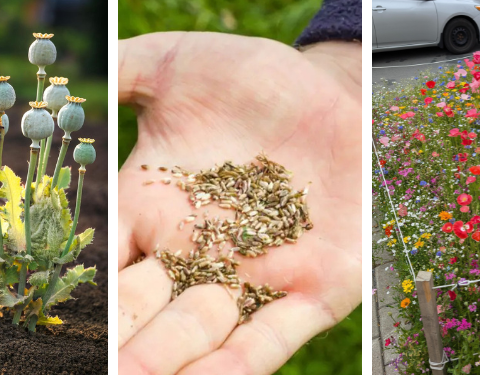
A packet of seeds costs the same (or less) than one nursery plant but contains dozens—sometimes hundreds—of seeds.
-
You have more control over variety selection, including heirloom and organic options.
Pro Tip:
Start seeds indoors in early spring using repurposed containers like egg cartons, yogurt cups, or old plastic trays. Just add drainage holes and you’ve got a free seed-starting system.
2. Make Your Own Compost
Compost is garden gold. It enriches soil, boosts plant health, and reduces the need for chemical fertilizers—but buying bagged compost can get expensive.
Why It Saves:
-
Composting turns kitchen scraps, yard waste, and paper products into free, nutrient-rich fertilizer.
-
It reduces garbage and landfill waste.
What to Compost:
-
Fruit and veggie peels
-
Coffee grounds and tea bags
-
Grass clippings, leaves, and non-glossy paper
-
Crushed eggshells
Bonus: Healthy compost reduces your need for expensive soil amendments.
3. Save Seeds from Your Best Plants
Seed saving is one of the oldest gardening practices—and it’s completely free.
Why It Saves:
-
One-time investment in open-pollinated (non-hybrid) seeds = endless free seeds.
-
You can build a seed bank specifically adapted to your local conditions over time.
What to Save:
-
Tomatoes, peppers, beans, peas, cucumbers, squash, and many herbs are easy for beginners.
Tip: Let your best plants fully mature before harvesting seeds. Store them in a cool, dry place for next year.
4. Propagate Plants from Cuttings
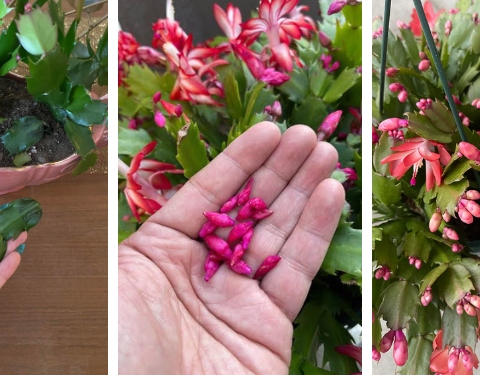
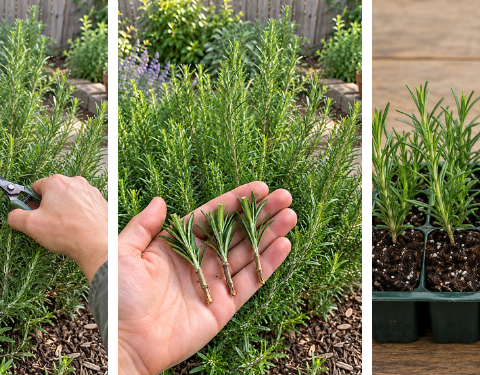
Many common herbs, flowers, and even vegetables can be grown from cuttings instead of seeds or transplants.
Why It Saves:
-
No need to buy multiple plants when you can clone your own.
-
You can share cuttings with friends, or trade with neighbors.
Easy Plants to Propagate:
-
Basil, mint, rosemary, oregano
-
Tomatoes (from suckers)
-
Lavender, geraniums, succulents
-
Houseplants like pothos, spider plant, and philodendron
Simply place stem cuttings in water or moist soil until roots form, then transplant.
5. Make DIY Fertilizers from Household Waste
Forget pricey store-bought fertilizers—your kitchen is already stocked with ingredients that can boost your garden naturally.
Homemade Fertilizer Ideas:
-
Banana peel tea: Soak banana peels in water to release potassium and phosphorus.
-
Crushed eggshells: Add calcium to tomato and pepper plants.
-
Used coffee grounds: Improve soil structure and provide a mild nitrogen boost.
-
Aquarium water: Rich in nitrogen and beneficial microorganisms.
Note: Always research the nutrient content of homemade fertilizers to avoid over-application.
6. Use Mulch to Reduce Watering and Weeds
Mulching your garden may not seem like a money-saver at first, but it drastically reduces both water usage and weed control efforts, saving time and money in the long run.
Why It Saves:
-
Keeps soil moist longer, reducing water bills
-
Suppresses weed growth, minimizing the need for herbicides or labor
Free Mulch Sources:
-
Grass clippings
-
Fall leaves
-
Straw or hay
-
Shredded newspaper
-
Wood chips (available free from tree trimming services)
Tip: Avoid dyed or chemically treated mulches in food gardens.
7. Build Raised Beds and Garden Structures from Repurposed Materials
New garden beds, trellises, and raised bed kits can be costly—but you can build your own using salvaged or recycled materials.
Ideas for Free or Low-Cost Materials:
-
Wooden pallets (safe heat-treated ones)
-
Old bricks or cinder blocks
-
Repurposed fencing or ladder parts for trellises
-
Rain gutters for vertical herb gardens
Tip: Check Facebook Marketplace, Craigslist, Freecycle, or your local recycling center for free supplies.
8. Collect and Reuse Rainwater
Water bills can skyrocket during summer, especially if you’re watering a large vegetable garden. Set up a rain collection system and let nature help.
Why It Saves:
-
Reduces municipal water use
-
Better for plants (free of chlorine and treatment chemicals)
How to Get Started:
-
Install a rain barrel beneath your downspout
-
Use old barrels, trash bins, or food-grade containers with a screen to keep out debris and mosquitoes
-
Add a spigot and hose for easy access
Rainwater is ideal for watering fruits, vegetables, flowers, and even houseplants.
9. Swap Plants, Seeds, and Tools with Fellow Gardeners
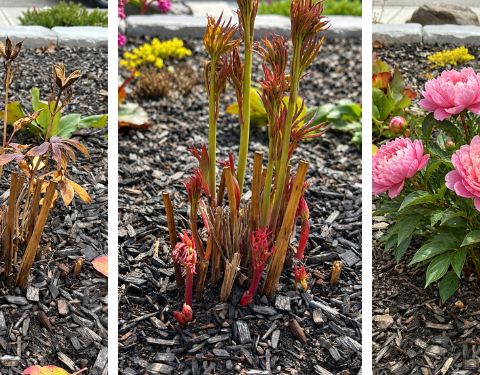
One of the best ways to grow your garden on a budget is to tap into your local gardening community.
Why It Saves:
-
Free access to diverse plant varieties and tried-and-true tools
-
You can offload your own extras—like seedlings or divided perennials—in exchange for what you need
Where to Swap:
-
Local gardening clubs or co-ops
-
Community gardens
-
Online forums and groups (Facebook, Reddit, Nextdoor)
-
Seasonal plant swaps hosted by libraries or community centers
Bonus: You’ll also gain access to shared knowledge, tips, and local gardening advice.
Gardening doesn’t have to drain your wallet.
With a few clever strategies—like starting from seed, saving your own compost, and getting creative with free materials—you can enjoy a lush, productive garden without overspending.
Not only will these money-saving gardening hacks cut down on costs, but they’ll also help you grow more resilient, sustainable, and rewarding plants year after year.
Whether you’re growing vegetables to feed your family or flowers to beautify your backyard, these tips will help you get the most out of your garden—and your budget.