Whether you’re an avid hiker, a casual gardener, or someone who just enjoys time in nature with your family, it’s important to know that not all beautiful plants are harmless.
In fact, some of the most attractive plants found in backyards, parks, or along hiking trails can be incredibly toxic to humans and pets.
From skin-irritating sap to lethal berries, toxic plants are more common than many realize.
Being able to identify and avoid dangerous plants can protect you, your children, and even your pets from severe reactions—or worse. Some of these plants may already be growing in your garden or neighborhood.
Here are 9 poisonous plants you should absolutely stay away from, along with the symptoms they cause and tips on what to do if exposed.
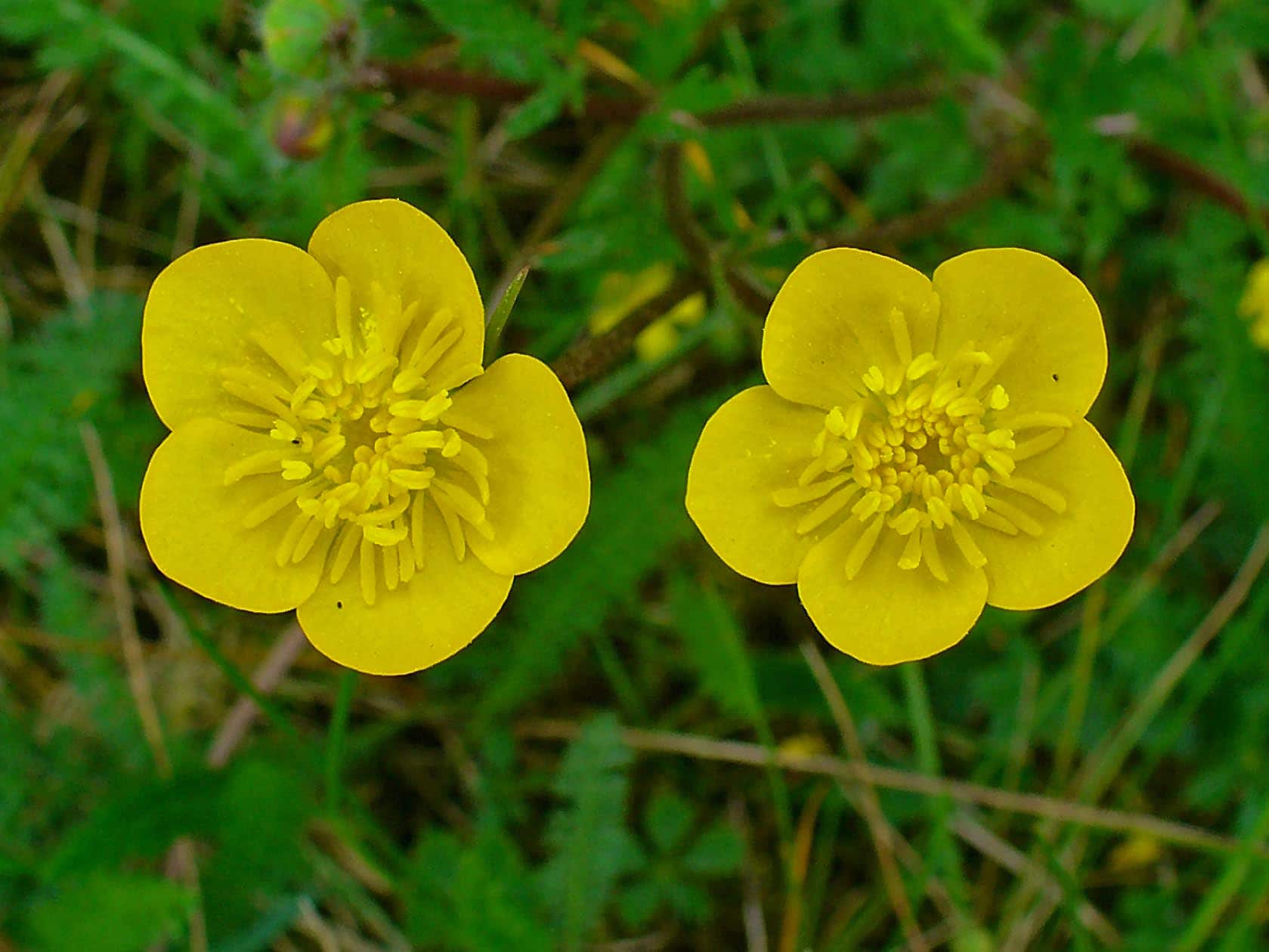
1. Buttercups (Ranunculus spp.)
Where They Grow: Damp meadows, fields, and along streams
Toxic Part: Entire plant, especially the sap
While these small yellow flowers might seem harmless and cheerful, buttercups contain a compound called protoanemonin, which is released when the plant is crushed or damaged.
Dangers:
-
Skin contact can cause blistering, redness, and burning
-
If ingested, it may lead to salivation, nausea, vomiting, and diarrhea
-
Contact with eyes can cause temporary blindness
Safety Tip: Keep children and pets away, especially in spring and early summer when buttercups are in bloom.
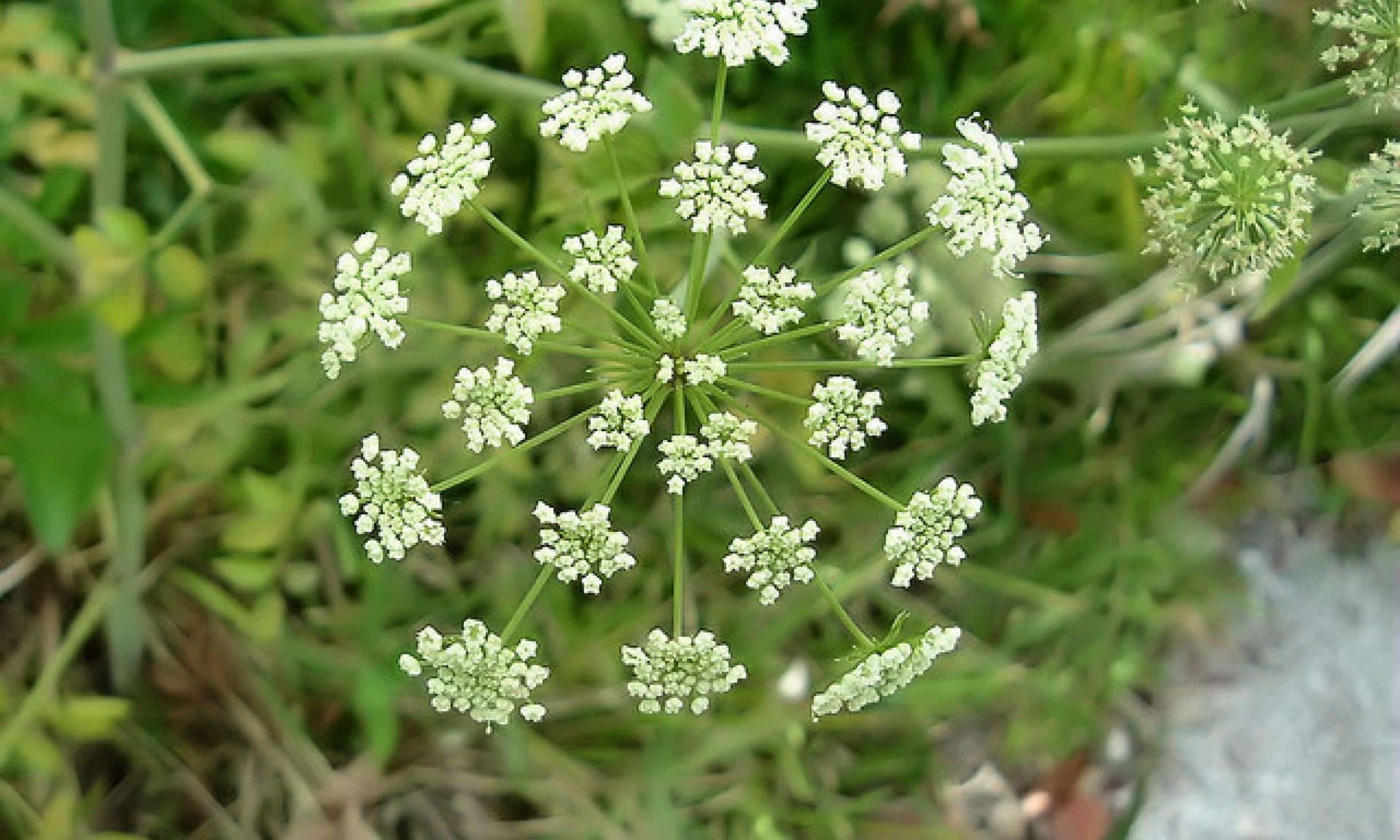
2. Cowbane / Water Hemlock (Cicuta spp.)
Where They Grow: Wetlands, riverbanks, marshes
Toxic Part: Entire plant, especially roots
Often mistaken for wild parsley or Queen Anne’s lace, Water Hemlock is considered one of North America’s most toxic plants.
Dangers:
-
Ingesting even a small amount can cause violent seizures, vomiting, and death
-
Symptoms appear quickly—within 15 minutes of ingestion
-
Sap may cause mild skin irritation
Important: If ingested, seek immediate emergency medical care. There is no antidote to the plant’s toxin, cicutoxin.
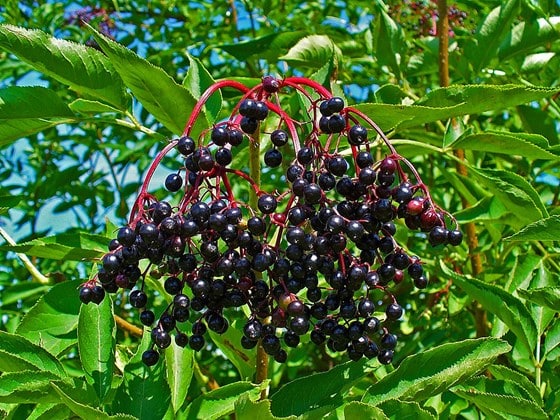
3. Elder (Sambucus spp.)
Where They Grow: Forest edges, roadsides, gardens
Toxic Part: Leaves, stems, bark, and unripe berries
Black elderberries are commonly used in syrups and teas, but only when fully ripe and properly cooked. All other parts of the elder plant are toxic.
Dangers:
-
Can cause nausea, vomiting, diarrhea, weakness, and dizziness
-
Large doses may lead to seizures and organ damage
Safety Tip: If you’re foraging or using elderberries, ensure they are properly identified and cooked to remove toxic compounds.
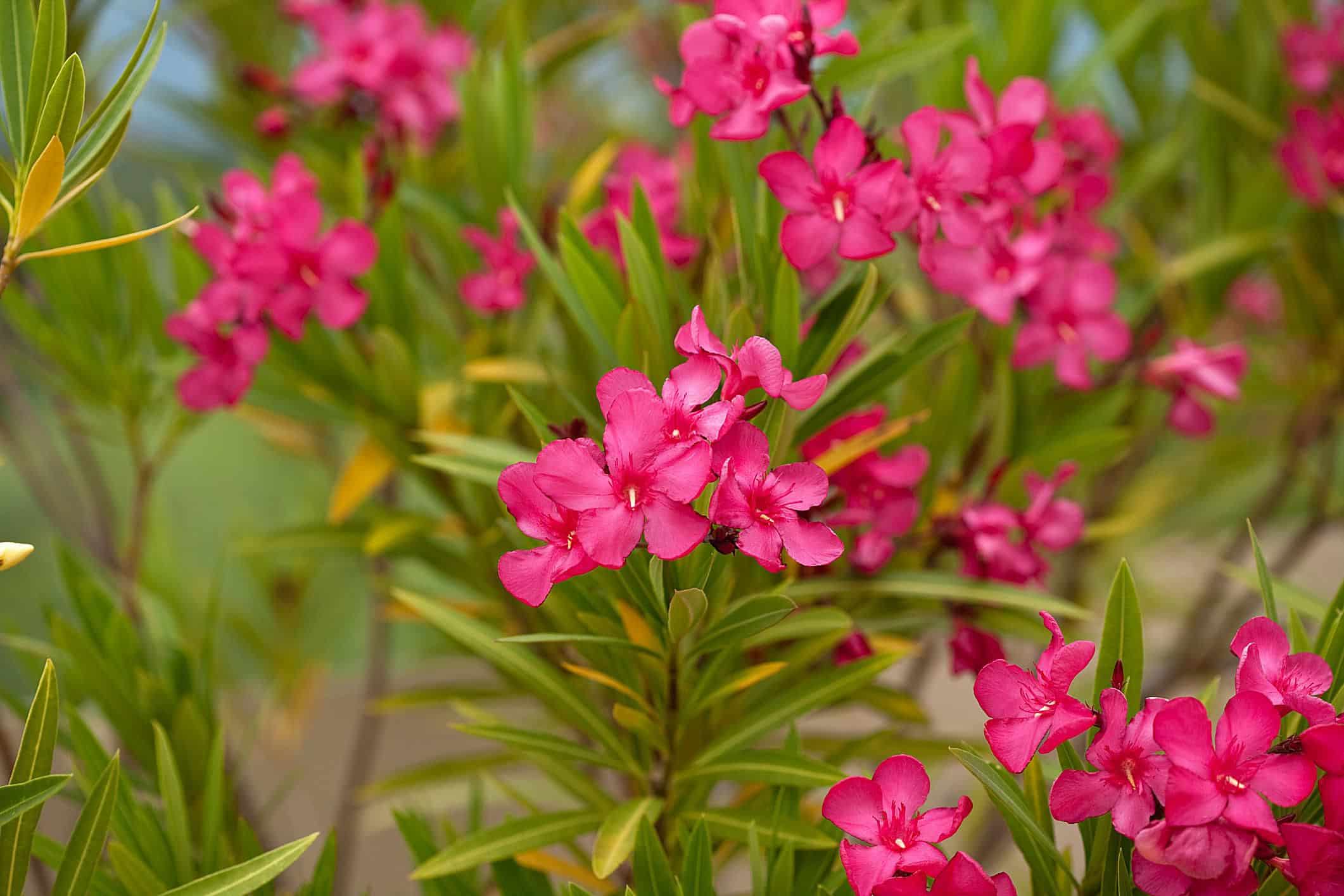
4. Oleander (Nerium oleander)
Where They Grow: Warmer climates, gardens, and as ornamental shrubs
Toxic Part: Entire plant (leaves, flowers, stems, and even smoke from burning)
Despite its stunning pink and white blossoms, oleander contains potent cardiac glycosides—the same kind found in some prescription heart medications, but in toxic doses.
Dangers:
-
Ingestion can cause irregular heartbeat, nausea, vomiting, confusion, and even death
-
Skin contact can cause irritation in sensitive individuals
-
Smoke from burning oleander is toxic
Important: Never allow children or pets near oleander. Even chewing a single leaf can be fatal.
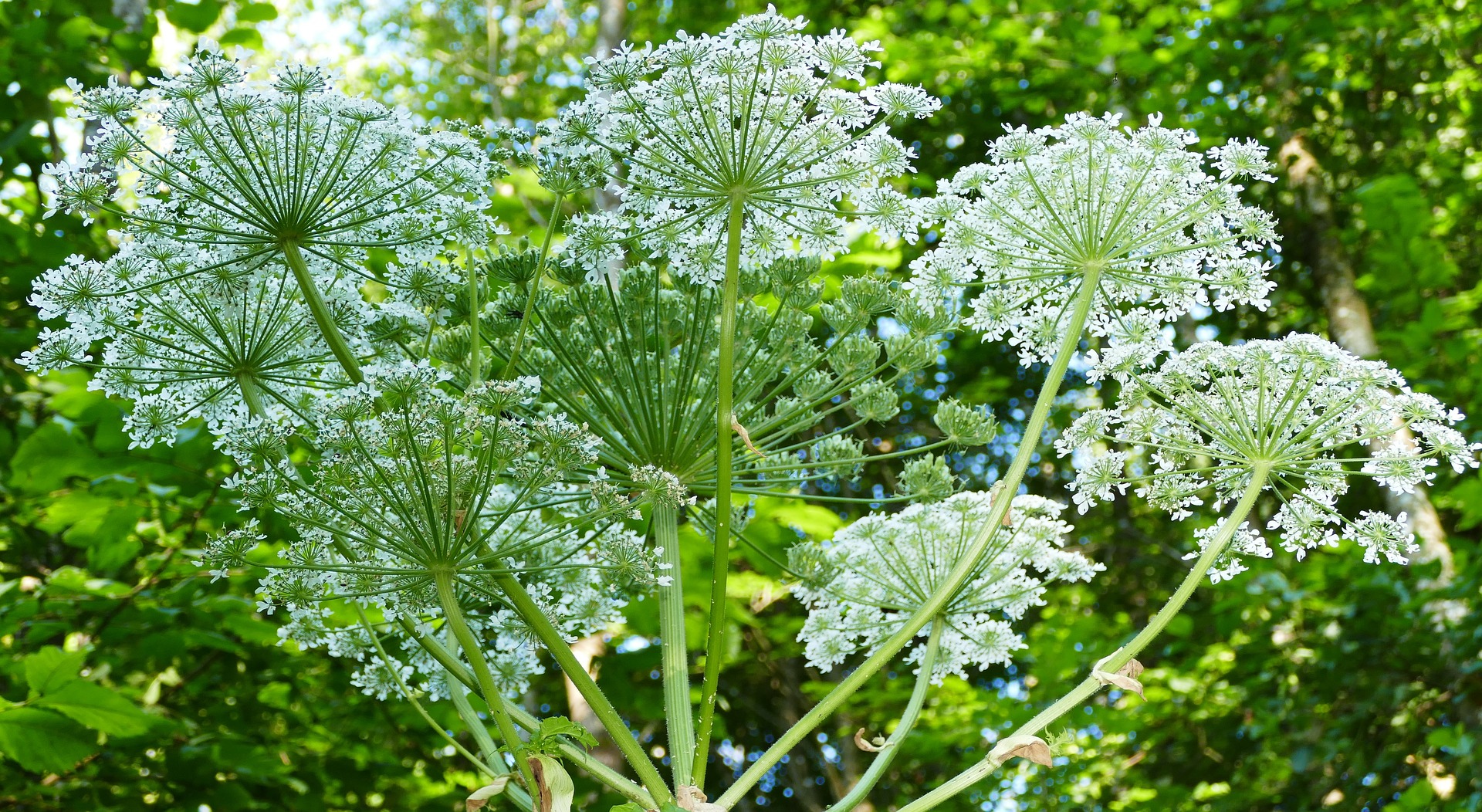
5. Giant Hogweed (Heracleum mantegazzianum)
Where They Grow: Moist, disturbed soils, riverbanks, trailsides
Toxic Part: Sap
Giant Hogweed is one of the most dangerous invasive plants. Standing up to 14 feet tall, its large white flower clusters look attractive—but its sap causes severe skin damage when exposed to sunlight.
Dangers:
-
Causes photodermatitis—a reaction that leads to painful blisters, burns, and permanent scarring
-
Contact with eyes can cause temporary or permanent blindness
-
Reactions may last for months
First Aid: If exposed, wash the area with soap and cold water immediately, and keep it covered and out of sunlight for at least 48 hours.
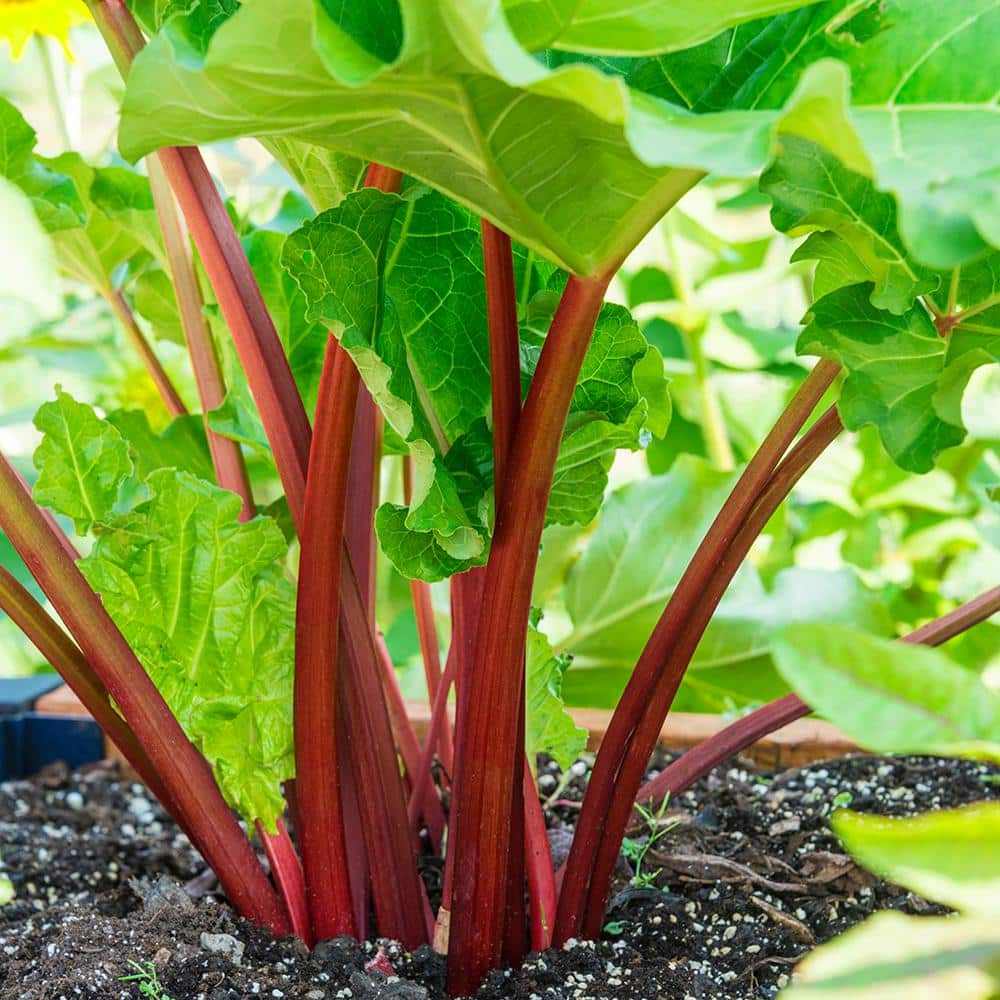
6. Rhubarb (Rheum rhabarbarum)
Where They Grow: Gardens and backyard vegetable plots
Toxic Part: Leaves and roots
While rhubarb stalks are edible and commonly used in pies and jams, the leaves contain oxalic acid and anthraquinone glycosides, which are harmful if consumed in large quantities.
Dangers:
-
Can cause burning sensations in the mouth and throat, nausea, vomiting, and kidney failure in severe cases
-
Contact with the skin may cause mild irritation
Tip: Always discard rhubarb leaves and never feed them to pets or livestock.
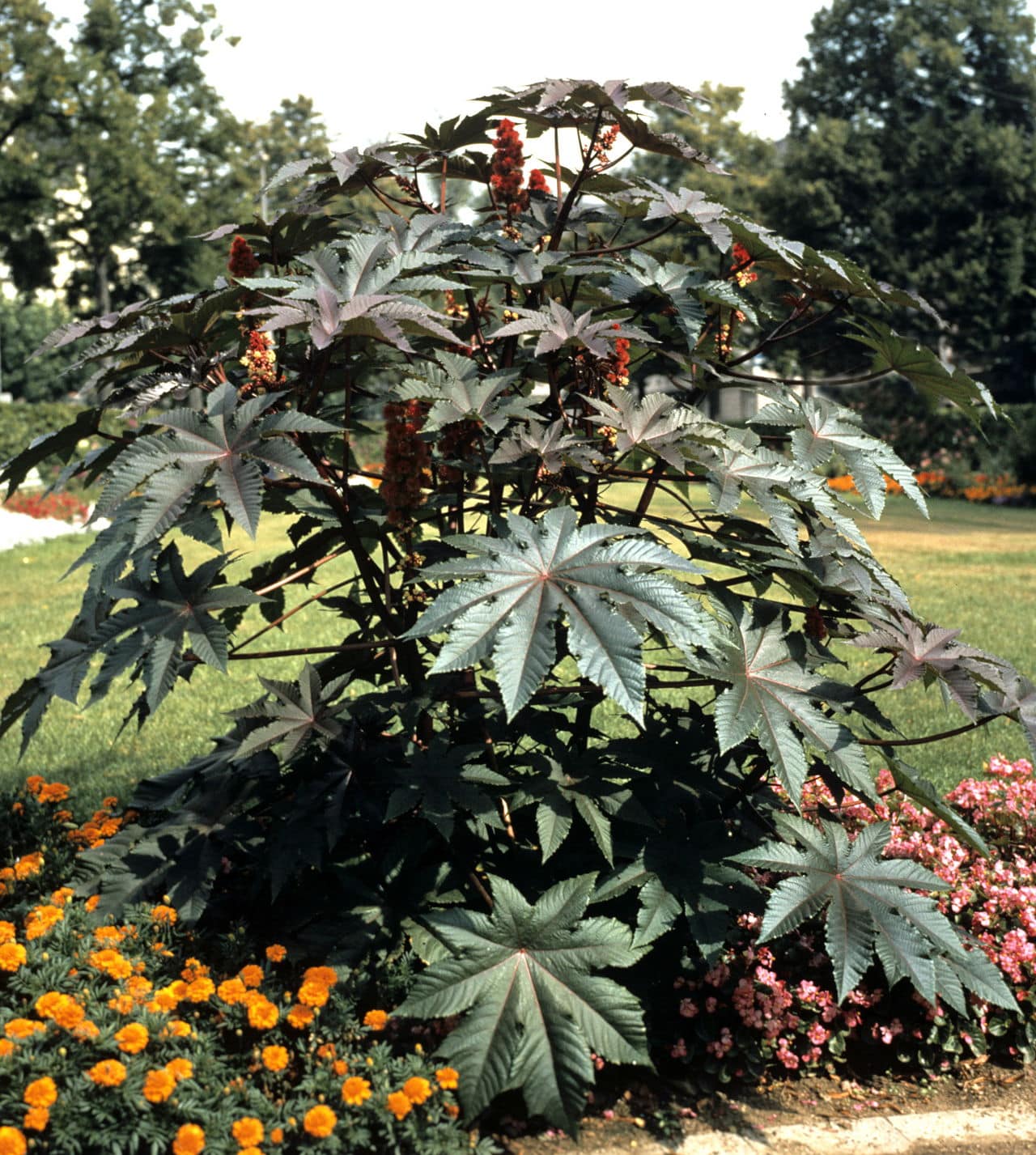
7. Castor Bean (Ricinus communis)
Where They Grow: Tropical and subtropical regions, ornamental gardens
Toxic Part: Beans (seeds), leaves
The castor bean plant is incredibly toxic, despite being the source of castor oil (which is safe after processing). The seeds contain ricin, one of the most lethal natural toxins known.
Dangers:
-
Ingesting just 1–2 beans can be fatal to a child, 3–8 to an adult
-
Symptoms include abdominal pain, severe vomiting, internal bleeding, and organ failure
-
Death can occur within 36–72 hours
Note: Never grow castor bean plants where children or pets might come into contact with them.
8. Aconite / Monkshood / Wolf’s Bane (Aconitum spp.)
Where They Grow: Mountainous meadows, woodland gardens
Toxic Part: All parts, especially roots and flowers
This beautiful plant produces vivid blue to purple flowers, but don’t be fooled—aconite is extremely poisonous. Historically, it was used as a poison on spears and arrows.
Dangers:
-
Causes numbness, cardiac arrhythmia, and difficulty breathing
-
Skin contact can result in tingling or numbness
-
Ingestion may result in death within hours
Warning: Always wear gloves when handling this plant. Never ingest any part of it.

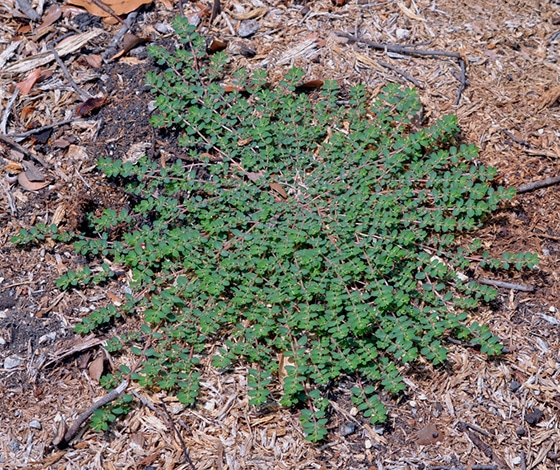
9. Spurge (Euphorbia spp.)
Where They Grow: Worldwide—gardens, deserts, and forests
Toxic Part: Milky sap (latex)
Spurge species vary widely in appearance, but most share one trait: toxic white sap that’s caustic to skin and eyes.
Dangers:
-
Causes blisters, swelling, and intense eye irritation
-
Ingestion can lead to vomiting and gastrointestinal distress
-
Can provoke allergic reactions in sensitive individuals
Tip: If you suspect spurge contact, wash thoroughly and avoid touching your eyes. Wear gloves when pruning or removing any Euphorbia species.
It’s easy to assume that all plants are safe—especially when they look beautiful or grow in familiar places—but that can be a dangerous mistake.
Knowing how to identify and avoid toxic plants could prevent painful reactions, serious illness, or worse.
Whether you’re camping, hiking, gardening, or simply enjoying a day outside with your kids or pets, use this knowledge to stay safe while enjoying the outdoors.
If you or someone else is exposed to a toxic plant and shows symptoms, seek medical attention immediately.