Growing fruits and vegetables at home is both rewarding and cost-effective, but achieving a thriving garden often requires a few pro-level tricks.
Master gardeners have time-tested secrets that can help you improve soil health, increase yield, and keep pests away—all without unnecessary chemicals.
Here are eight gardening secrets that can transform your growing experience, helping you get healthier plants, fewer weeds, and better results.
1. Use Solarization to Eliminate Weeds
What is Solarization?
Solarization is a natural weed-killing method that involves using sunlight to heat the soil, effectively killing weed seeds, soil-borne pests, and pathogens before you plant.
How to Solarize Your Garden:
- Choose a Sunny Spot – Identify a garden bed that needs weed control.
- Clear the Area – Remove all large weeds or mow them down as close to the soil as possible.
- Water the Soil Deeply – This step ensures heat penetrates more effectively.
- Cover the Area with Plastic Sheeting – Use clear plastic (not black!) to trap heat.
- Weigh Down the Edges – Secure the plastic using rocks, bricks, or soil.
- Leave it for 6-8 Weeks – Over time, the heat will destroy weed seeds, fungi, and bacteria lurking in the soil.
- Remove the Plastic & Plant – Once the process is complete, the area will be weed-free and ready for planting!
Benefits: Reduces weeds by 60-80%, improves soil health, and minimizes pest issues.

2. Test Seed Germination Before Planting
Before planting seeds, it’s smart to test their germination rate to avoid wasting time, effort, and space on seeds that won’t sprout.
How to Test Germination at Home:
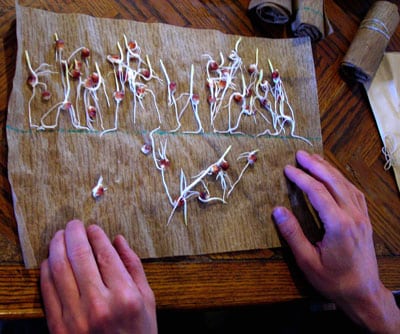
- Take 10 seeds and place them on a damp paper towel.
- Roll up the towel and place it inside a plastic bag or container.
- Store in a warm area (65-75°F) for about 7-10 days.
- Check for Sprouting – If 8 seeds sprout, your germination rate is 80%.
- Adjust Planting Accordingly – If only half the seeds sprout, plant more than usual to compensate.
Pro Tip: Store leftover seeds in a cool, dry place (more on this below in Tip #7).
3. Prevent Mosquitoes in Rainwater Barrels
Collecting rainwater is an excellent way to reduce water waste and nourish your plants naturally. However, standing water in rain barrels attracts mosquitoes, which can quickly turn into a breeding ground.
How to Keep Mosquitoes Out of Rain Barrels:
- Add 2 tablespoons of dish soap – This breaks the surface tension and prevents mosquitoes from laying eggs.
- Use a fine mesh screen over the opening to block insects.
- Drop in a few wine corks – They float and discourage mosquitoes from laying eggs.
- Consider adding Mosquito Dunks (a natural bacteria-based solution that kills larvae).
Bonus: Using rainwater saves money and provides chemical-free water for your garden.

4. Keep Gardening Tools Rust-Free
Dirty tools can spread disease between plants and rust quickly if left damp.
Easy Tool-Cleaning Hack:
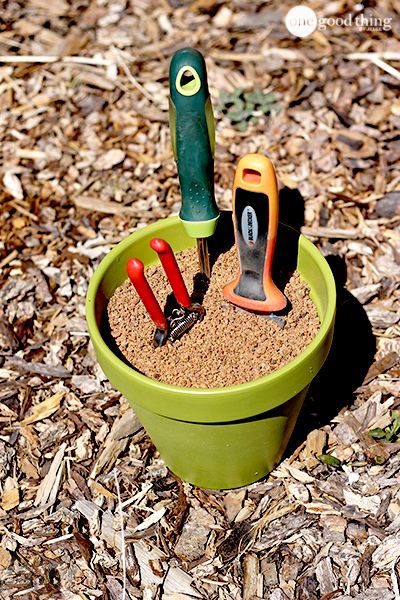
- Fill a bucket with dry sand and mix in a small amount of motor oil (or vegetable oil for an eco-friendly option).
- After using your tools, dip them into the sand mixture to clean off dirt and coat them with a protective layer.
- Wipe off excess oil and store them in a dry place.
Why it works: The sand scrubs off debris while the oil prevents rust and extends the lifespan of your tools.
5. Prevent Trimmer String from Breaking
String trimmers (weed whackers) often snap due to friction and heat. To prevent this:
How to Strengthen Your Trimmer Line:
- Soak the plastic string in vegetable oil for 24 hours before using it.
- The oil makes it more flexible and resistant to snapping.
Result: Longer-lasting, more durable trimmer line with fewer frustrating breaks!
6. Improve Soil pH with Coffee Grounds
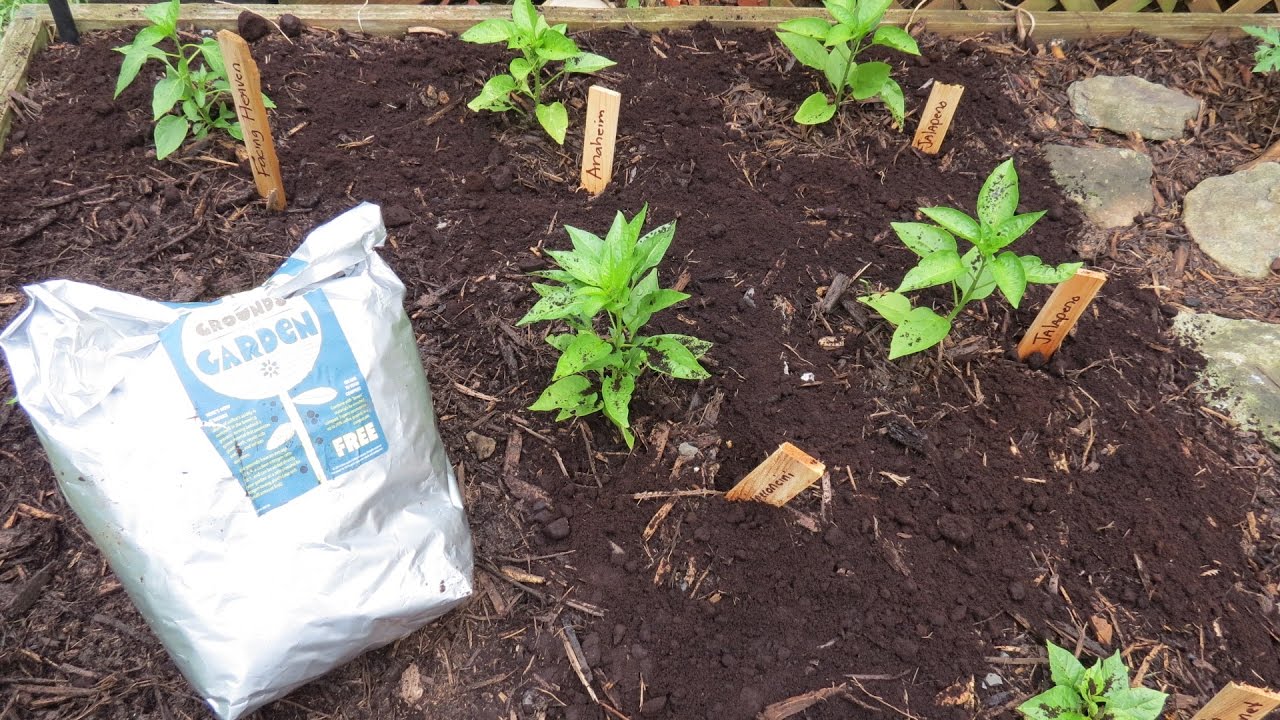
If you drink coffee, don’t toss those used grounds—they make a fantastic natural soil amendment for acid-loving plants.
How to Use Coffee Grounds in Your Garden:
- Sprinkle lightly (about ¼ inch thick) around plants like blueberries, azaleas, and hydrangeas.
- Mix into compost – Coffee grounds enhance microbial activity.
- Make a liquid fertilizer by steeping grounds in water overnight.
Avoid Overuse: Too many coffee grounds can compact the soil—mix them with other organic matter like leaves or grass clippings.
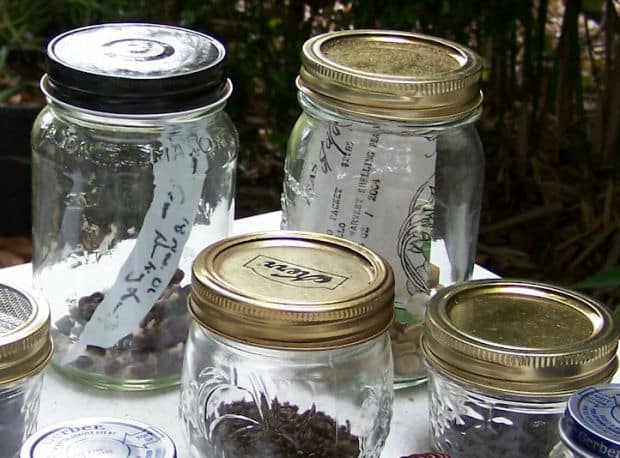
7. Store Seeds Properly for Longer Shelf Life
Many gardeners don’t realize that seeds can last years—but only if stored correctly.
Best Ways to Store Seeds:
- Keep them in a dry, airtight container (glass jars, mason jars, or plastic bins).
- Store in a cool, dark place like a basement, pantry, or even the refrigerator.
- Use silica gel packets to absorb moisture and prevent mold.
Seed Longevity: Properly stored seeds can remain viable for 5-10 years!
8. Natural Pest Control: Marigolds & Soapy Water
Pesticides can harm beneficial insects, but nature offers safer alternatives to keep pests away.
How to Deter Pests Naturally:
- Plant Marigolds around your vegetable garden – Their strong scent repels aphids, nematodes, and whiteflies.
- Use Soapy Water Spray – Mix 1 teaspoon of mild dish soap with 1 quart of water and spray it on affected plants to kill aphids and spider mites.
- Encourage Beneficial Insects – Ladybugs, praying mantises, and lacewings feed on harmful pests.
Avoid Citrus-Based Soaps – These can burn plant leaves in the sun.
Gardening is equal parts science and art, and these master gardener tips can help you increase yield, improve soil health, and save time in your garden.