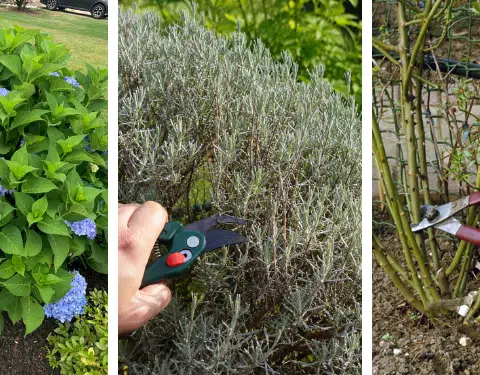
Gardening is one of life’s simplest joys. Whether it’s tending to vibrant flowers, growing your own fruits and vegetables, or simply enjoying the serenity of nature, gardening offers both relaxation and reward.
From fresh strawberry rhubarb pies to lush hydrangea blooms, the bounty of your backyard can be beautiful and delicious.
However, not everything in the garden is as harmless as it looks.
Many popular garden plants—some of the most commonly grown in yards and homes—can be toxic to humans and animals.
If you have young children, dogs, or cats, it’s especially important to know which plants pose a danger. Some cause minor symptoms like skin irritation or vomiting, while others can lead to seizures, coma, or even death if ingested.
Here are 8 common ornamental plants that are incredibly poisonous—beautiful to look at, but dangerous to touch or eat.
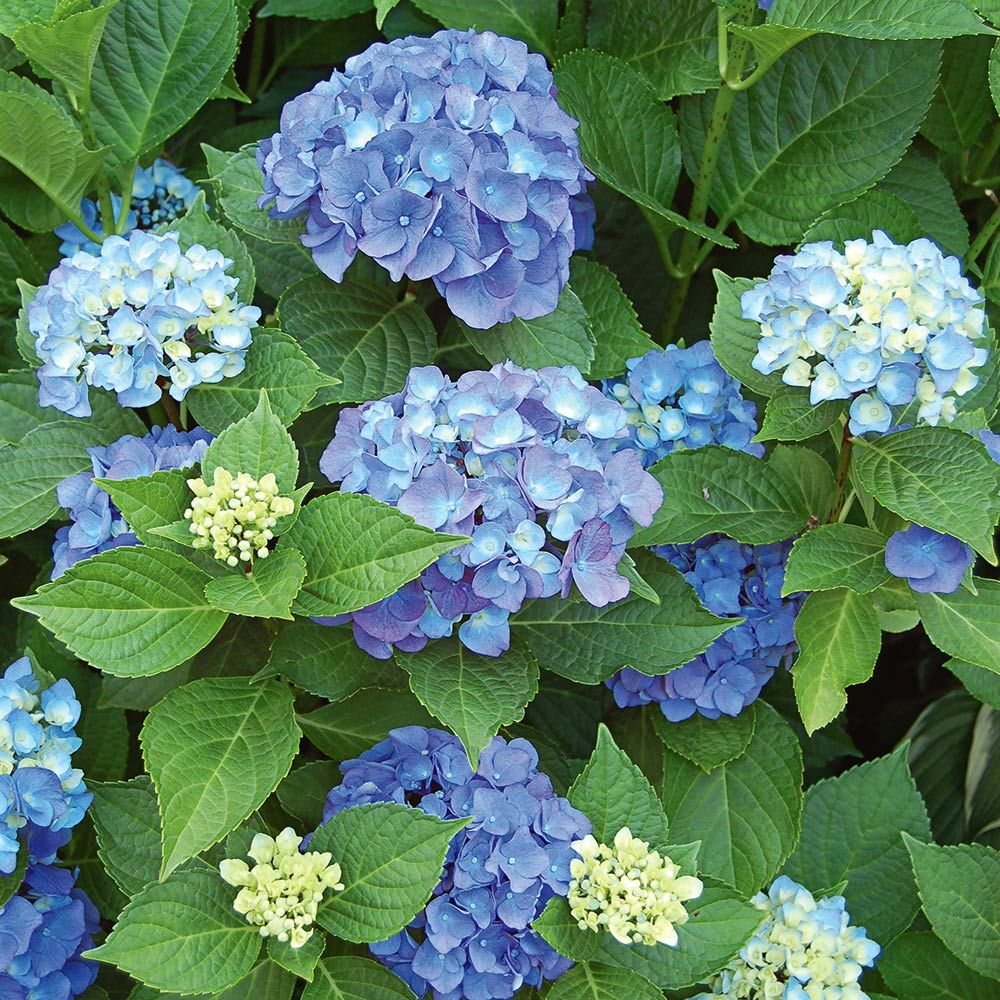
1. Hydrangea (Hydrangea spp.)
Why It’s Dangerous:
Hydrangeas are prized for their stunning blue, pink, and purple blooms, often serving as focal points in summer gardens.
However, all parts of the hydrangea—particularly the leaves and buds—contain cyanogenic glycosides, which can break down into cyanide when ingested.
Symptoms of Poisoning:
-
Vomiting and diarrhea
-
Lethargy
-
Abdominal pain
-
Depression (in pets)
Risk Group:
-
Cats, dogs, and horses are especially vulnerable, according to the ASPCA.
-
Ingestion by children can also lead to gastrointestinal distress.
Safety Tip: If you love hydrangeas, consider placing them in areas inaccessible to pets or children, or choose a safer alternative like roses or marigolds.
2. Rhubarb (Rheum rhabarbarum)
Why It’s Dangerous:
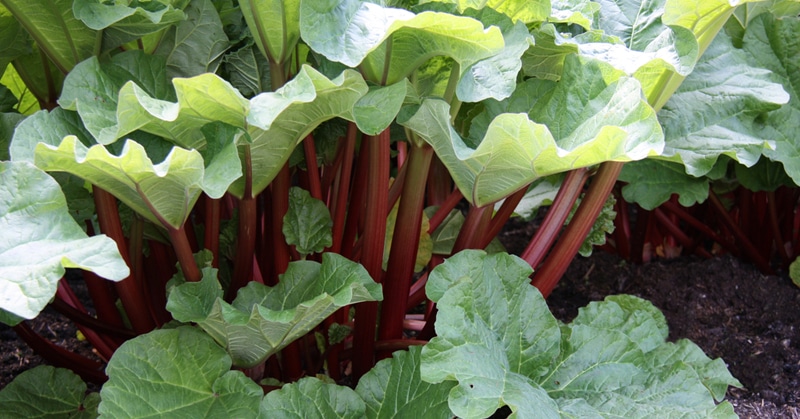
While the stalks of rhubarb are a popular ingredient in desserts, the leaves and roots are toxic.
Rhubarb leaves contain oxalic acid and anthraquinone glycosides, both of which are harmful when ingested in large quantities.
Symptoms of Poisoning:
-
Burning in the throat and mouth
-
Breathing difficulty
-
Nausea and vomiting
-
Seizures or coma in severe cases
Risk Group:
-
Humans and animals can both be affected
-
Children are particularly at risk due to the plant’s attractive appearance
Safety Tip: Always remove the leaves when harvesting rhubarb, and never feed rhubarb leaves to pets or livestock.
3. Azalea (Rhododendron spp.)
Why It’s Dangerous:
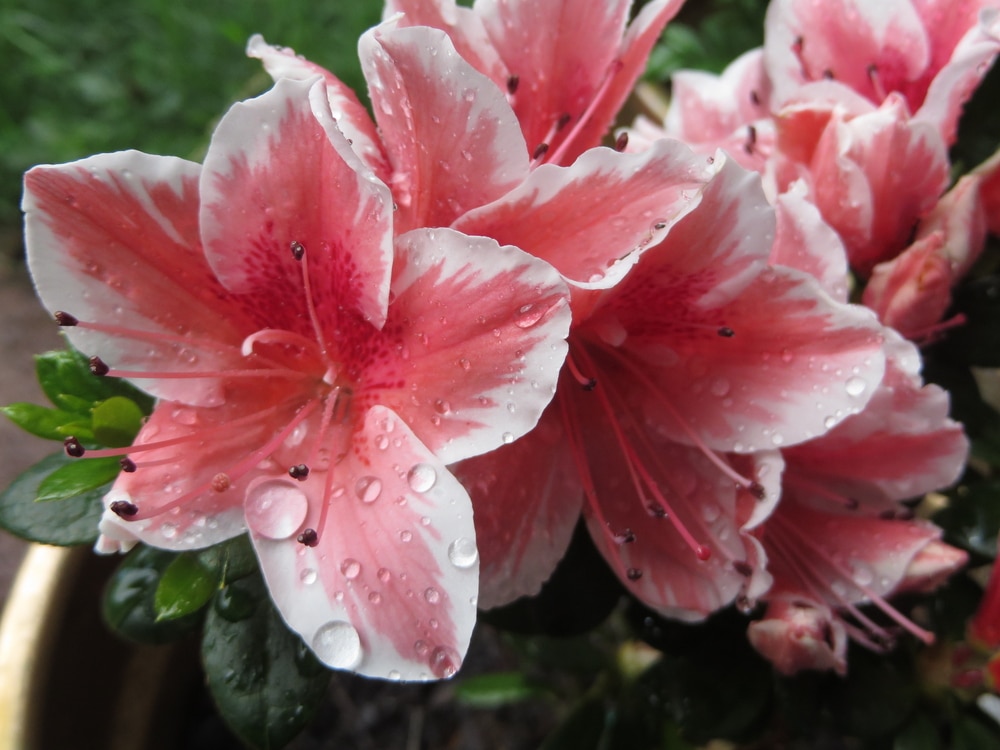
Azaleas are popular landscaping plants thanks to their vibrant springtime blooms.
However, all parts of the plant are toxic, especially the nectar, which can be turned into “mad honey” when consumed by bees.
Symptoms of Poisoning:
-
Nausea and vomiting
-
Slowed heart rate
-
Low blood pressure
-
Muscle weakness, dizziness
-
Seizures in extreme cases
Historical Fact:
The term “mad honey” comes from ancient accounts, including one in which Roman soldiers were poisoned by eating honey made from rhododendron nectar during an invasion in Turkey.
Safety Tip: Avoid planting azaleas if you have curious pets or young children, or ensure they’re in restricted access areas.
4. Bleeding Heart (Lamprocapnos spectabilis)
Why It’s Dangerous:
Known for its uniquely shaped pink and white flowers that resemble hearts, bleeding heart is both romantic and toxic. It contains alkaloids that can impact the nervous system.
Symptoms of Poisoning:
-
Vomiting and diarrhea
-
Convulsions and tremors
-
Difficulty breathing
-
Skin irritation upon contact with sap
Risk Group:
-
Humans and pets, especially when chewing or handling the plant
Safety Tip: Always wear gloves when working with bleeding heart and avoid placing it near walkways or play areas.

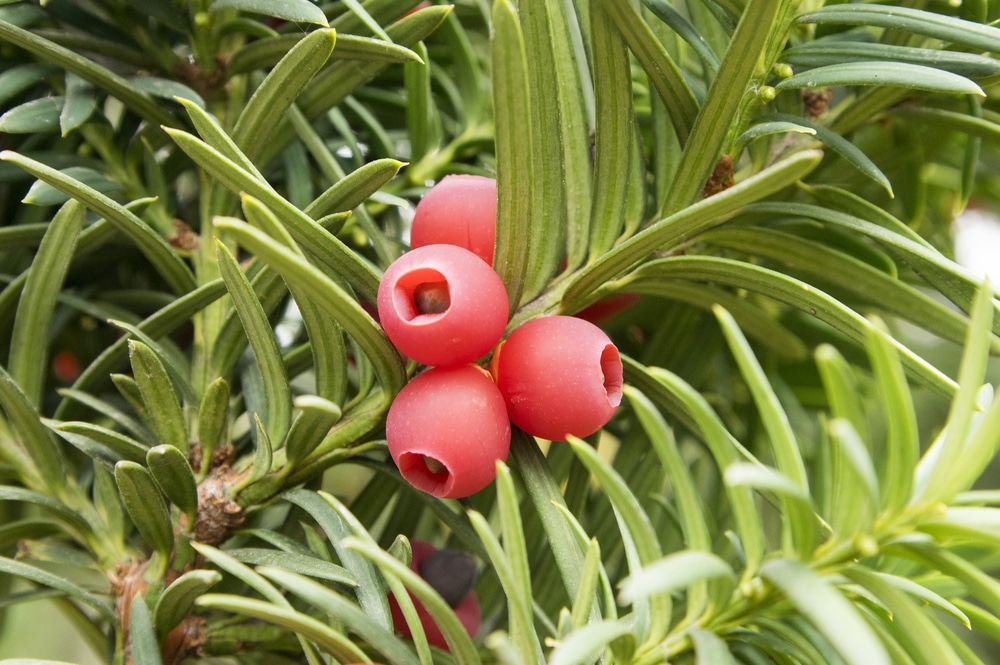
5. Yew (Taxus spp.)
Why It’s Dangerous:
Often called the “tree of death,” yew is a dark evergreen with red berries commonly used in hedges and landscaping. While the berry’s flesh is non-toxic, the seed inside is highly poisonous.
Symptoms of Poisoning:
-
Nausea and vomiting
-
Dizziness and tremors
-
Cardiac arrest
-
Death can occur within hours of ingestion
Risk Group:
-
Highly toxic to humans, dogs, cats, and livestock
Safety Tip: Avoid planting yew if you have grazing animals or curious pets. Educate children about the dangers of red berries.
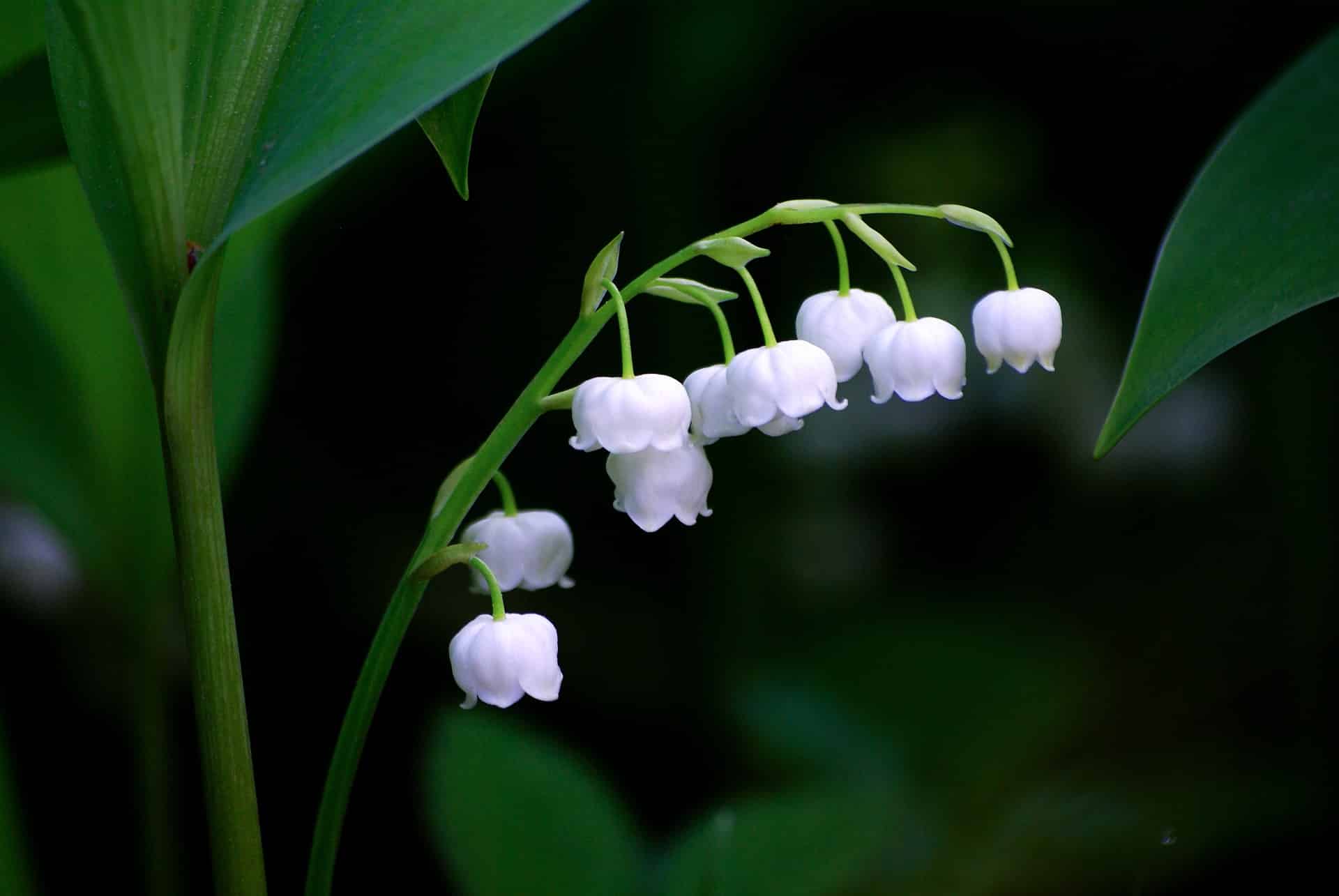
6. Lily of the Valley (Convallaria majalis)
Why It’s Dangerous:
This delicate, fragrant plant is often associated with purity and grace, but it contains cardiac glycosides, which can affect heart rhythm.
Symptoms of Poisoning:
-
Irregular or slowed heart rate
-
Confusion and disorientation
-
Vomiting and diarrhea
-
Seizures and even coma in severe cases
Risk Group:
-
Cats and dogs are highly susceptible, but even small children can be affected from eating just a few parts of the plant
Safety Tip: Never leave lily of the valley unattended in flower arrangements or gardens frequented by pets or kids.
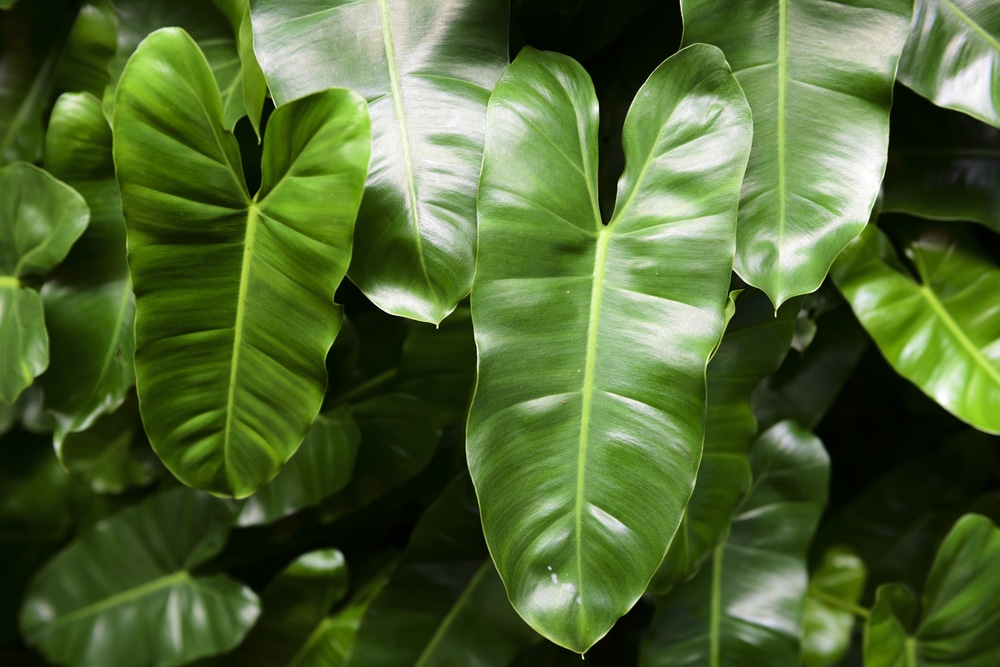
7. Heartleaf Philodendron (Philodendron scandens)
Why It’s Dangerous:
A popular indoor plant known for its heart-shaped leaves, the heartleaf philodendron contains calcium oxalate crystals, which are sharp and damaging to tissues.
Symptoms of Poisoning:
-
Intense oral pain
-
Excessive drooling in pets
-
Swelling of lips, tongue, and throat
-
Difficulty swallowing
Risk Group:
-
Cats and dogs, especially when chewing the leaves
-
Mild to moderate effects in humans, especially young children
Safety Tip: Place this houseplant on high shelves or hanging baskets out of reach, or opt for pet-safe alternatives like spider plants or prayer plants.
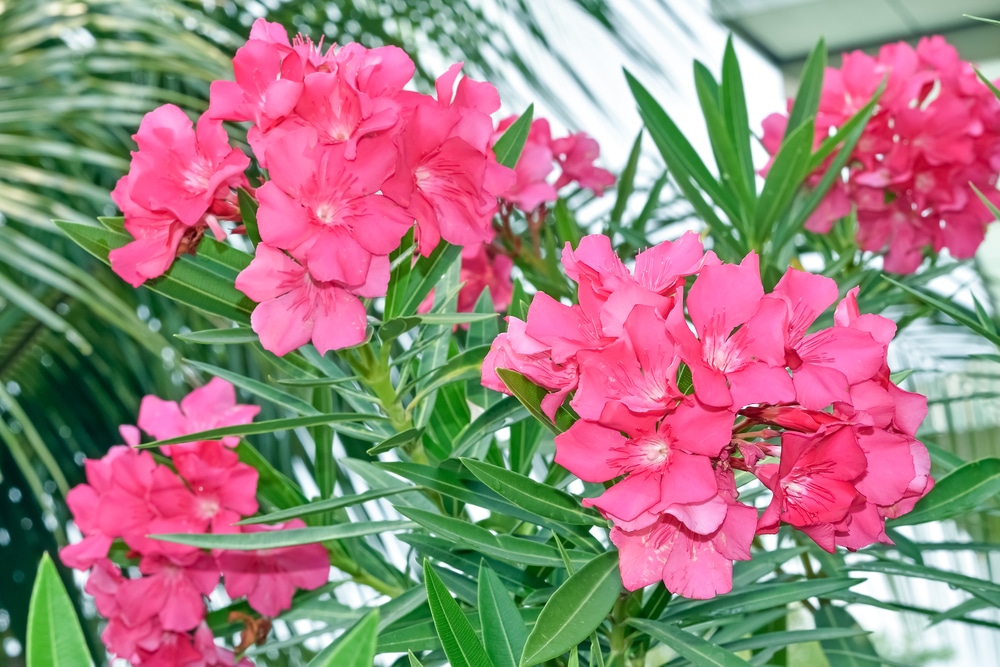
8. Oleander (Nerium oleander)
Why It’s Dangerous:
Oleander is considered one of the most toxic ornamental plants worldwide. Every part—leaves, flowers, stems, and even the smoke when burned—is deadly if ingested.
Symptoms of Poisoning:
-
Nausea, vomiting, and abdominal pain
-
Irregular heart rhythm
-
Poor circulation
-
Tremors, seizures, and coma
-
Death in severe cases
Noteworthy Fact:
In some parts of the world, oleander has been used as a means of suicide, due to its potent cardiac glycosides.
Safety Tip: If oleander is already in your garden, strongly consider removal—especially if you have children or pets. The risk is simply too great.
Gardens and houseplants offer countless joys—from beauty and fragrance to stress relief and a connection with nature.
But it’s crucial to recognize that some of the most stunning plants can also be the most dangerous.
If you’re designing a child- or pet-friendly landscape, it’s essential to identify toxic plants and either avoid them or take precautions like fencing, labeling, or placing them out of reach.
And remember: When in doubt, leave it out. A beautiful garden should be safe as well as enjoyable.