Before you toss those fruit pits, veggie tops, or herb stems into the compost bin, stop and take a closer look.
Many of the kitchen scraps we typically throw away are actually perfect candidates for regrowing into lush indoor houseplants—some of which will eventually provide you with a harvest of fresh produce right from your windowsill.
Not only is this a sustainable way to reduce food waste, but it’s also a fun and rewarding indoor gardening project for all ages.
Whether you’re tight on space, looking for budget-friendly ways to garden, or just love seeing things grow, here are 8 incredible kitchen scraps you can regrow into thriving houseplants.
1. Avocado
Grows from: The pit
Harvest time: Several years, but makes a beautiful houseplant
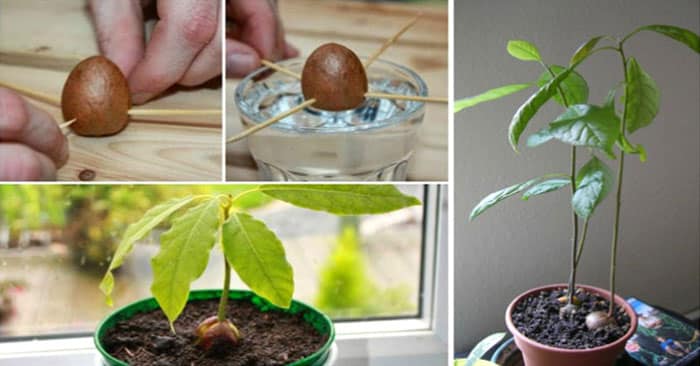
Next time you enjoy a fresh avocado, save the pit! With a bit of patience and care, you can sprout it into a glossy-leaved avocado tree.
While it may not produce fruit indoors without years of care and ideal conditions, it still makes a striking indoor plant.
How to grow:
- Wash the pit thoroughly and suspend it with toothpicks over a glass of water, ensuring the bottom is submerged.
- Place in a sunny spot and wait 6–8 weeks for roots and a sprout to appear.
- Once the stem is 6–8 inches tall, transplant into potting soil and keep in a warm, sunny room.
2. Lemon
Grows from: Seeds inside organic lemons
Harvest time: 3–5 years for fruit; sooner for ornamental foliage
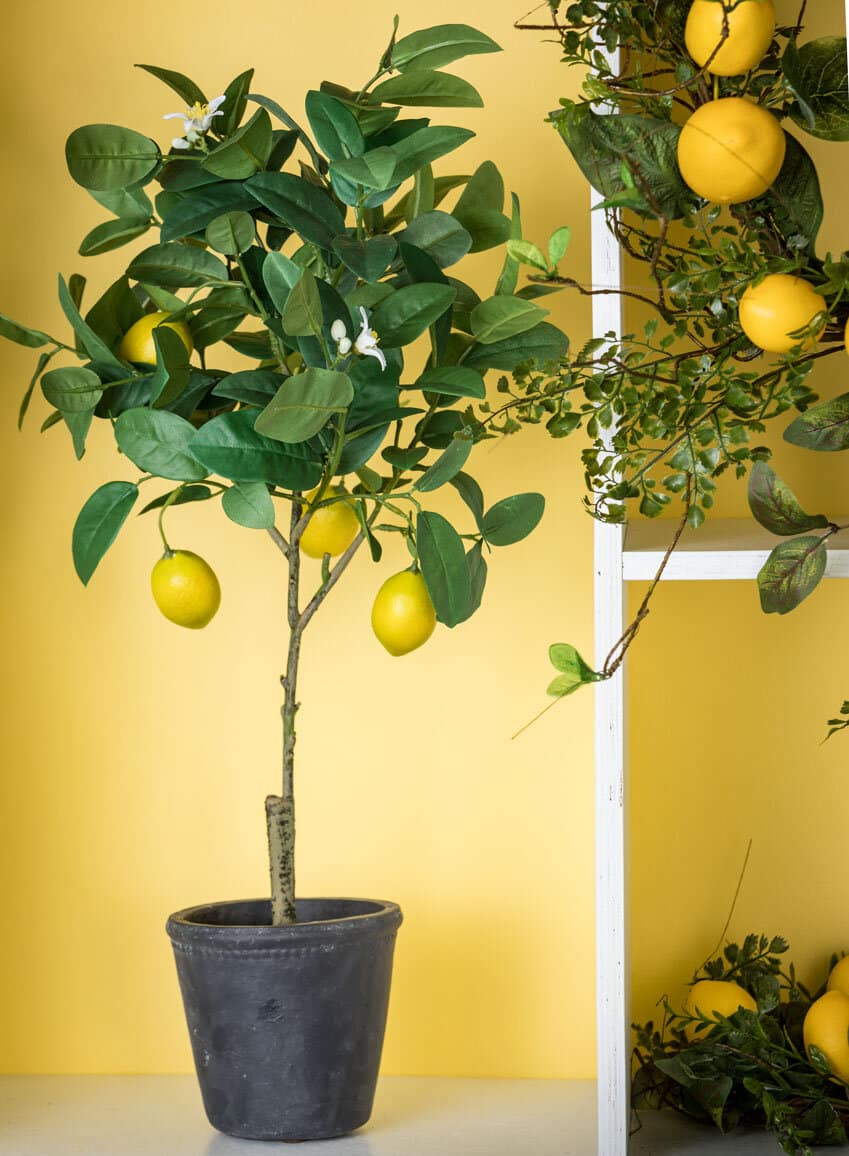
Lemon trees can be grown from seed and make lovely fragrant houseplants with their shiny leaves. While indoor trees take time to produce fruit (and may need a grow light), they add bright greenery to your kitchen or living room.
How to grow:
- Use organic lemons, as grocery store varieties may be treated to prevent germination.
- Rinse the seeds and plant them immediately in a small pot with rich potting soil.
- Keep the soil moist and place in a sunny spot or under a grow light.
- Once the seedling outgrows its pot, transfer to a larger container (at least 12 inches deep).
3. Apricot
Grows from: Seed inside the pit
Harvest time: Several years
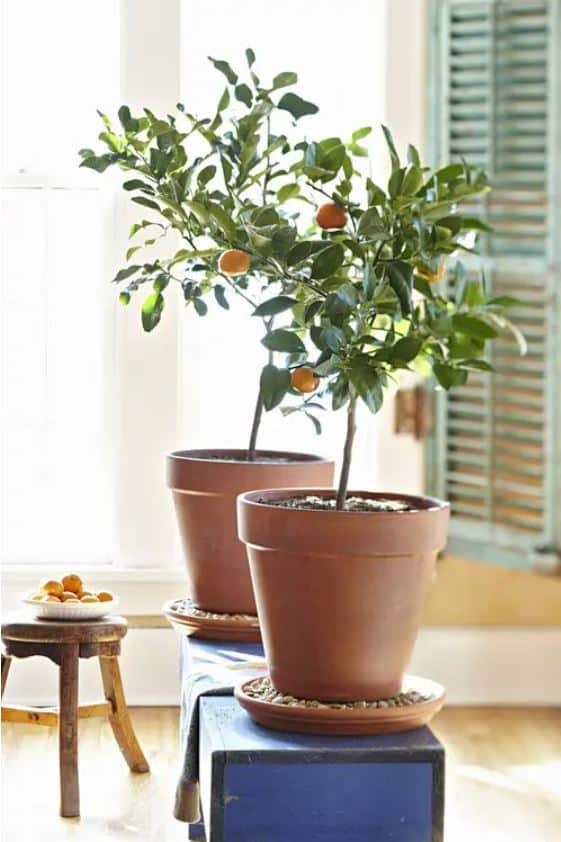
After enjoying the sweet flesh of an apricot, you can use the leftover pit to start a mini fruit tree. The sprouted plant won’t bear fruit for several years (and may not always fruit indoors), but it does make a unique and decorative houseplant.
How to grow:
- Crack open the outer shell of the apricot pit to access the seed inside.
- Soak the seed overnight, then wrap in a damp paper towel and place in a ziplock bag in the fridge for 4–6 weeks to simulate winter (stratification).
- After sprouting, plant in a small pot in well-draining soil and place in full sun.
4. Pineapple
Grows from: The leafy crown
Harvest time: 2 – 3 years, but a beautiful tropical plant
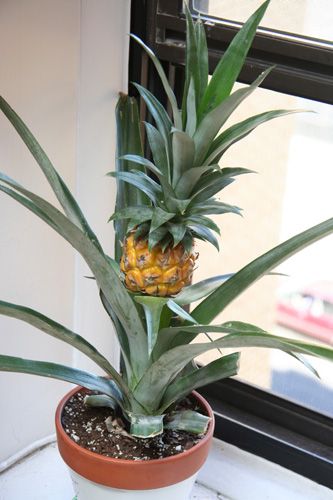
Growing a pineapple indoors is one of the most rewarding kitchen scrap experiments. The top leafy crown can be rooted and grown into a lush tropical plant that may eventually produce fruit.
How to grow:
- Twist or cut off the crown, removing any leftover fruit flesh.
- Trim the lower leaves to expose root buds and allow the crown to dry for a day or two to prevent rotting.
- Place in a jar of water with just the base submerged until roots form (2–3 weeks), then plant in a pot with well-draining soil.
- Keep in a warm, sunny spot and water weekly.
5. Beetroot
Grows from: Beet tops
Harvest time: Beet greens in weeks; root regrowth possible in ideal conditions
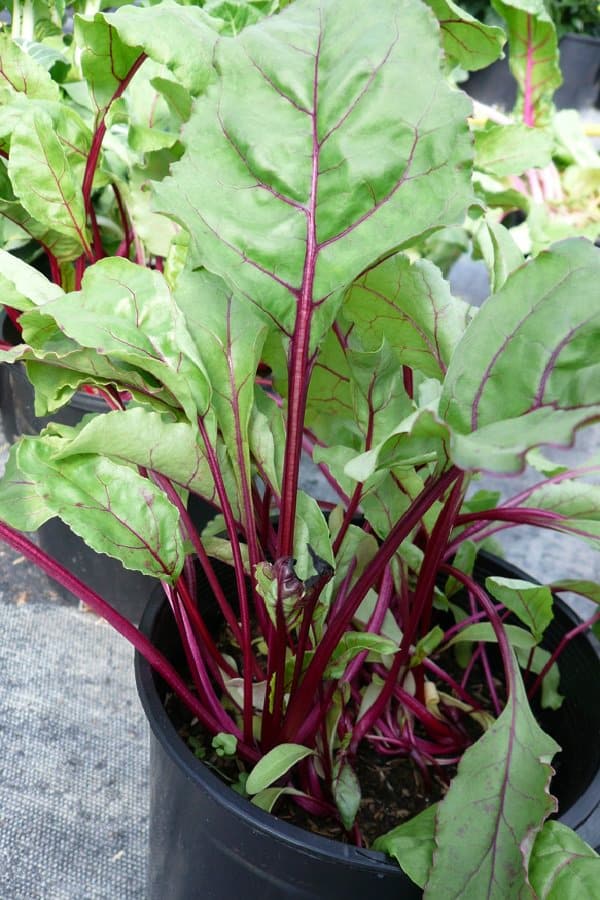
You can’t regrow a full beet from scraps, but you can grow beet greens – nutritious and tasty leafy tops that are great for sautés and salads.
How to grow:
- Slice off the top of the beetroot (the part with the leaves).
- Place in a shallow dish of water with the cut side down.
- Set on a sunny windowsill and change the water every couple of days.
- In about a week, new greens will sprout. Transplant to soil for continued growth.
6. Aloe Vera
Grows from: Mature plant offsets (pups)
Harvest time: Leaves for gel anytime from mature plants
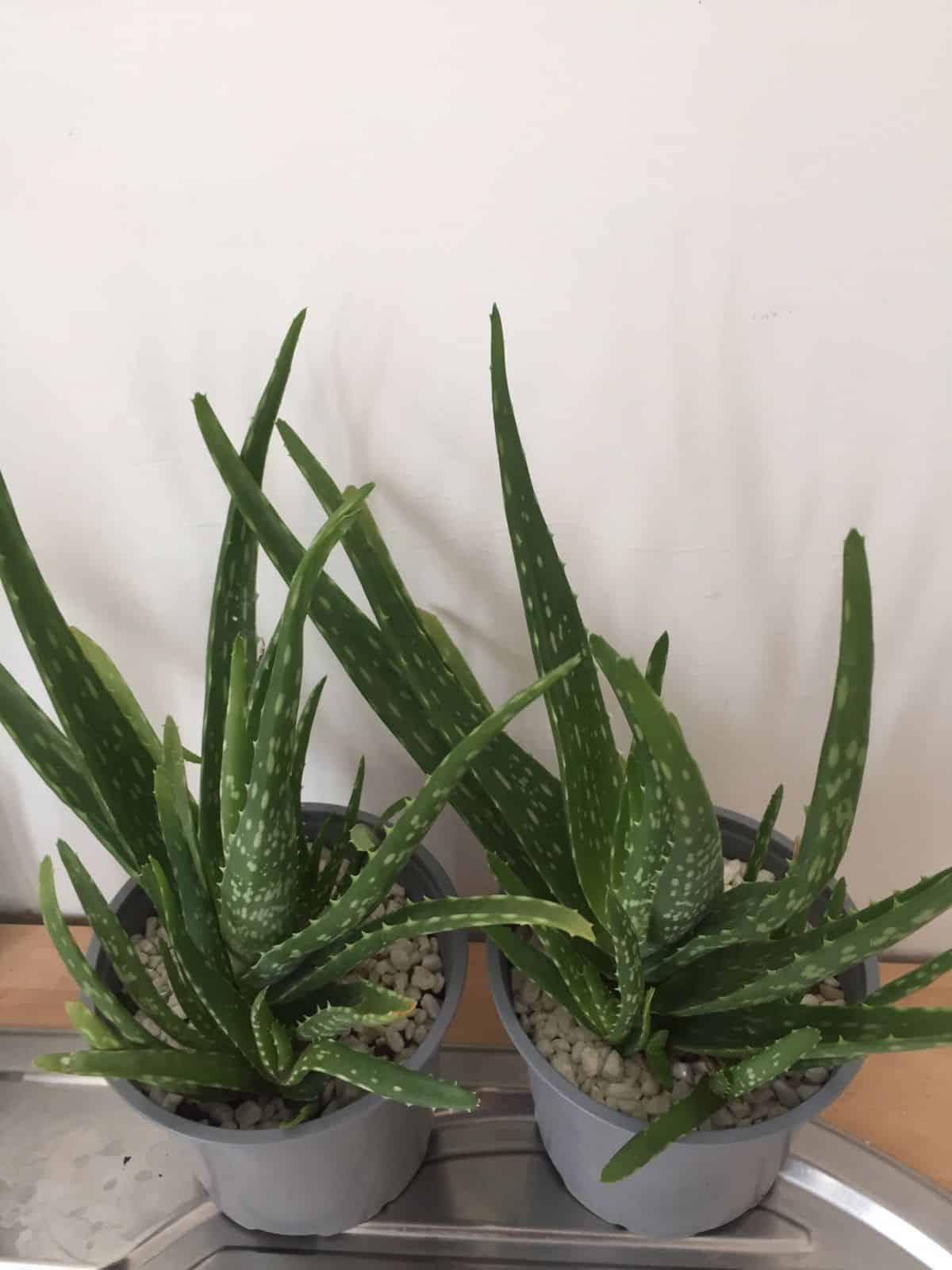
If you’ve used fresh aloe leaves from a plant and still have the base or pups left, you can propagate it to grow new aloe vera plants. Aloe is a low-maintenance succulent known for its healing gel and soothing qualities.
How to grow:
- If your aloe plant has produced pups, gently separate them from the mother plant using a clean knife.
- Let the cut ends dry for a day or two, then plant in cactus or succulent mix.
- Place in bright, indirect sunlight and water sparingly – about once every 2,3 weeks.
7. Lettuce (and Bok Choy)
Grows from: Lettuce or bok choy base
Harvest time: 10 – 14 days for new leaves
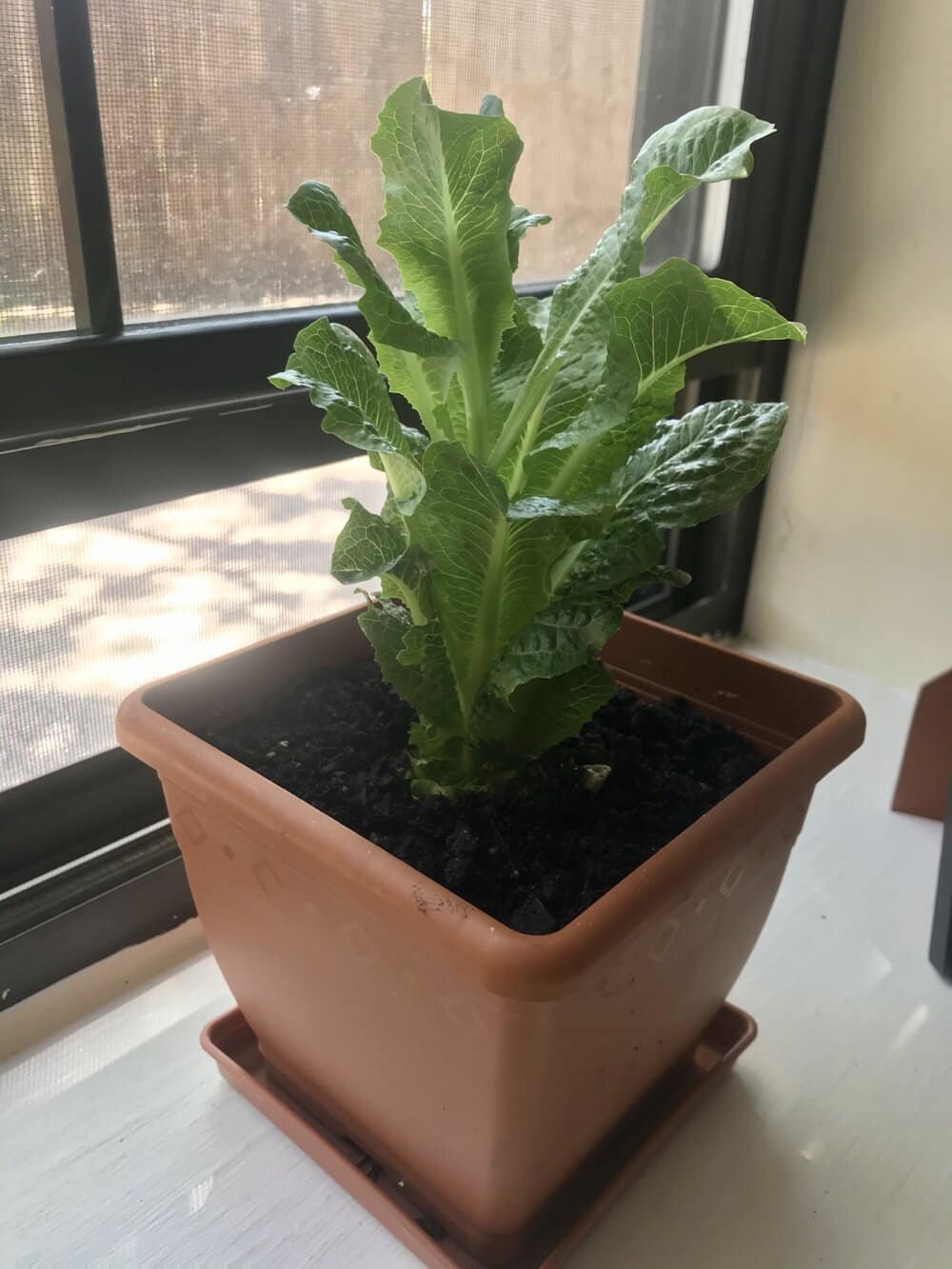
Don’t discard that lettuce core! You can regrow romaine, butterhead, or bok choy leaves right from the leftover base. It won’t yield a full new head, but it’ll give you fresh baby leaves for salads and sandwiches.
How to grow:
- Place the base in a bowl with about ½ inch of water.
- Set in a sunny spot and replace water every couple of days.
- In about a week, new leaves will start to emerge.
- Transfer to soil to keep it growing longer.
8. Green Onions (Scallions)
Grows from: Bottom white portion with roots
Harvest time: 5-7 days for greens
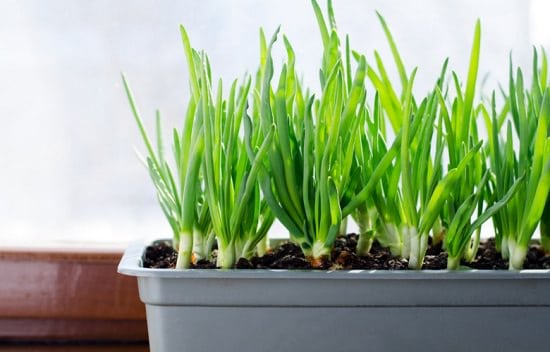
Green onions are among the fastest and easiest kitchen scraps to regrow. They bounce back quickly and can be harvested over and over again from the same cuttings.
How to grow:
- Leave at least 1 inch of the white bulb with roots intact.
- Place in a glass with enough water to cover the roots.
- Put in a sunny windowsill and change the water every couple of days.
- New green shoots will appear in just a few days.
- You can harvest the greens and allow them to regrow repeatedly.
Bonus Tips for Regrowing Plants from Kitchen Scraps
- Use organic produce whenever possible – non-organic fruits may have growth inhibitors.
- Provide good light – most regrown plants need bright, indirect sunlight or a grow light.
- Monitor moisture – don’t overwater, especially for scraps starting in soil.
- Upgrade to soil – after roots form in water, transplant to soil to ensure long-term growth.
- Label your experiments – especially if you’re regrowing multiple scraps at once.
Turning kitchen scraps into houseplants is more than just a cool trick—it’s a sustainable, rewarding practice that lets you enjoy the magic of gardening indoors.
Whether you’re regrowing scallions for daily meals or nurturing an avocado tree as a long-term project, each scrap gives you the opportunity to grow something beautiful and useful from what would otherwise be waste.