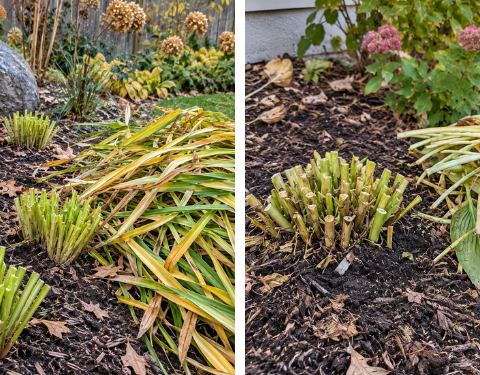
If you enjoy a good bottle of wine now and then, chances are you have a few corks lying around.
Instead of tossing them, why not repurpose them in your garden? Natural corks (not plastic or silicone) are biodegradable, water-resistant, and incredibly versatile, making them a great resource for sustainable gardening projects.
Here are eight clever ways to use wine corks in your garden to improve plant health, attract beneficial wildlife, and add a touch of creativity to your outdoor space.
1. Use Wine Corks as Mulch
Why Cork Mulch Works
Cork is a natural, moisture-retaining material that slowly decomposes, making it an excellent mulch alternative.
Since corks are lightweight, they won’t compact the soil or prevent airflow. Plus, they help retain moisture, reduce weed growth, and protect the roots of your plants.
How to Make Cork Mulch:
- Collect natural wine corks (avoid plastic or synthetic ones).
- Shred them into small pieces using a knife or a food processor.
- Spread the cork pieces around the base of your plants, making sure to cover the soil evenly.
- Water the area to help settle the mulch into place.
Best for: Raised beds, potted plants, and flower gardens.
2. DIY Plant Markers
Never Forget What You Planted Again
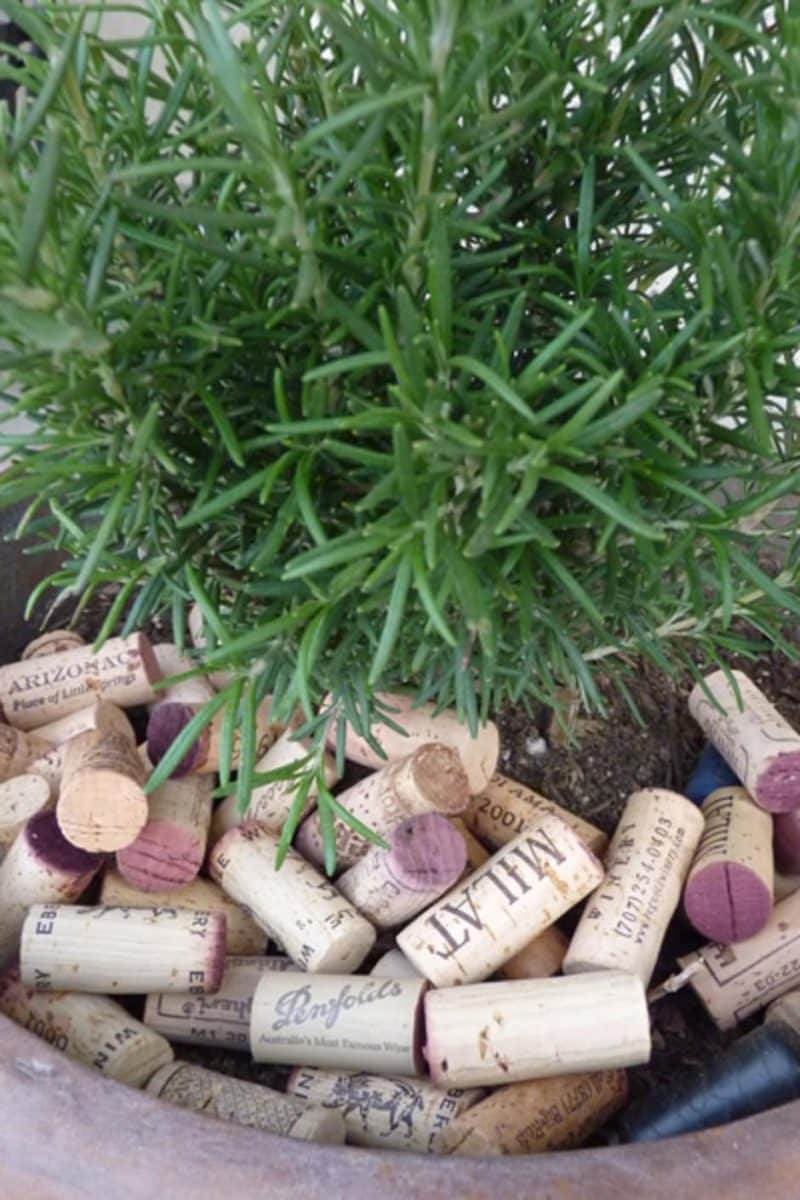
Struggling to remember where you planted your herbs or veggies? Instead of buying plant markers, make your own eco-friendly garden labels with wine corks.
How to Make Wine Cork Plant Markers:
- Collect wine corks and wooden skewers (or bamboo sticks).
- Write the plant name on each cork using a permanent marker.
- Push the skewer into the cork, making sure it’s secure.
- Insert the marker into the soil near your plants.
Best for: Herb gardens, vegetable beds, and seed trays.
3. Compost Wine Corks
Corks Are 100% Biodegradable
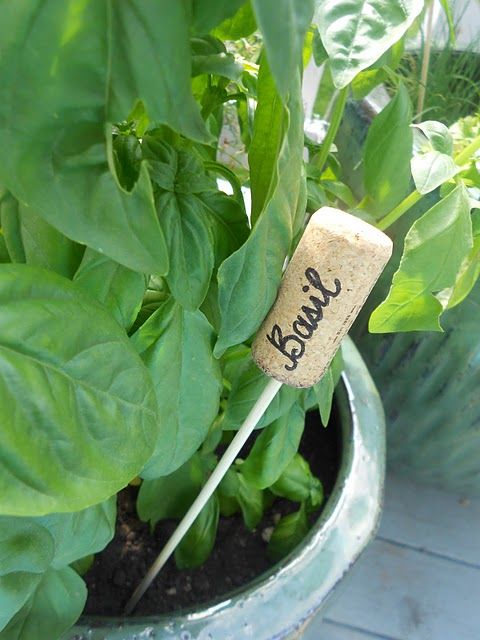
Natural cork is made from the bark of cork oak trees and breaks down over time when added to a compost pile. It’s a fantastic way to reduce waste while enriching your compost with organic material.
How to Compost Wine Corks:
- Break the corks into small pieces to speed up decomposition.
- Add them to your compost pile along with kitchen scraps and yard waste.
- Mix the compost regularly to help aerate and break down the cork.
Best for: Any composting system, including backyard bins and vermicomposting (worm bins).
4. Create a Fairy Garden Path
Bring Some Magic to Your Garden
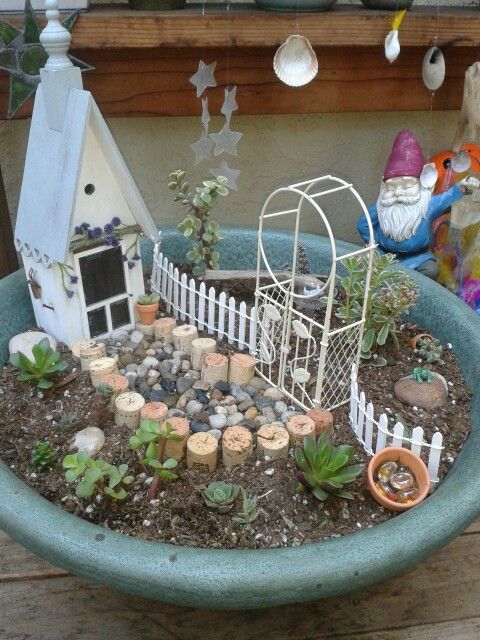
If you love fairy gardens or whimsical garden décor, wine corks can be used to create miniature garden pathways. Their light, neutral color adds a charming rustic look.
How to Make a Wine Cork Fairy Garden Path:
- Cut the corks into thin slices to create stepping stones.
- Arrange the slices in a path leading to your fairy house or garden décor.
- Secure them with garden glue if needed to keep them in place.
- Surround with small pebbles, moss, or mini plants for added charm.
Best for: Miniature gardens, terrariums, and container gardens.
5. Help Save the Bees
Give Bees a Safe Landing Spot
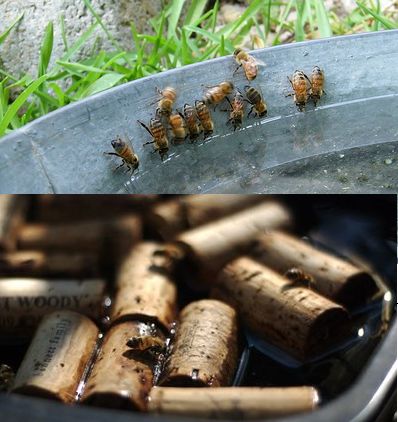
Bees and other pollinators can easily drown in standing water when they stop for a drink. Adding floating wine corks to your birdbath or rain barrel gives bees a safe place to land and drink water without the risk of drowning.
How to Use Corks to Help Bees:
- Fill a shallow dish or birdbath with fresh water.
- Float several corks on top of the water.
- Place the water source in a sunny, bee-friendly location near flowering plants.
Best for: Birdbaths, rain barrels, and shallow water dishes.
6. Build a Birdhouse with Wine Corks
A Cozy Retreat for Your Feathered Friends
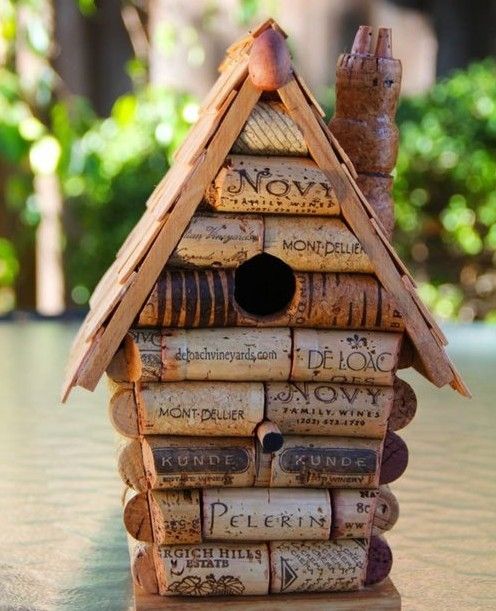
If you love DIY projects, why not build a wine cork birdhouse? It’s a fun, sustainable way to create a shelter for backyard birds while upcycling corks.
How to Build a Wine Cork Birdhouse:
- Gather about 50-100 wine corks depending on the size.
- Use a hot glue gun to attach corks together, creating walls and a roof.
- Leave an opening for birds to enter.
- Attach the birdhouse to a tree or post in your garden.
Best for: Attracting small songbirds like finches, sparrows, and chickadees.
7. Make Unique Stepping Stones
Eco-Friendly Garden Paths
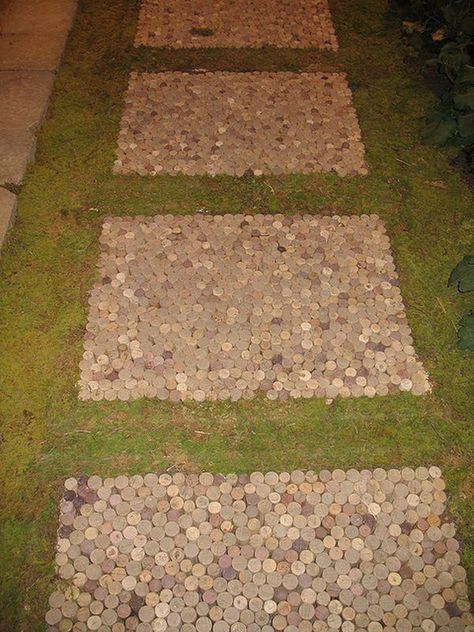
Wine corks can be incorporated into stepping stones for a decorative, natural-looking garden path. Their texture helps prevent slipping, making them both stylish and functional.
How to Make Cork Stepping Stones:
- Cut corks in half lengthwise for a flat base.
- Arrange them in a circular mold (like a cake pan or stepping stone mold).
- Pour concrete or resin over the corks and let it set.
- Once dry, place the stepping stones in your garden.
Best for: Garden paths, flower beds, and outdoor seating areas.
8. DIY Wine Cork Planters
Mini Planters for Small Spaces
Wine corks can be hollowed out and used as tiny planters for small succulents or air plants. These adorable mini planters are great for decorating your windowsill, balcony, or even your refrigerator (with a magnet attached!).
How to Make Wine Cork Planters:
- Use a small drill or knife to hollow out a section of the cork.
- Fill it with a small amount of potting soil.
- Insert a tiny succulent or air plant.
- Water sparingly, as these plants don’t need much moisture.
Best for: Indoor gardens, kitchen décor, and fridge magnets (attach a small magnet to the back!).
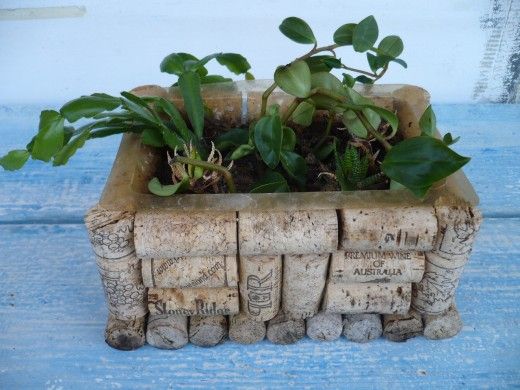
By repurposing wine corks, you can reduce waste, conserve resources, and create beautiful, functional items for your garden.
Whether you’re using them for mulch, stepping stones, or even bee-friendly water stations, there’s no shortage of ways to get creative with wine corks.
💬 What’s your favorite way to use wine corks in the garden? Share your ideas in the comments below!