As the days grow shorter and the temperatures dip, many gardeners pack away their tools and assume the season is finished.
But in reality, fall is one of the most important times of year for garden care. What you do now sets the stage for how your garden will perform next spring and even years down the road.
From soil enrichment to protecting tender perennials, fall chores aren’t just “tidy-up” tasks – they are an investment in your future harvests and blooms.
Why Fall Garden Maintenance Matters
Autumn is a transitional season. While plants prepare for dormancy, your garden still has a lot going on underground and above the soil.
Here’s why fall chores are so crucial:
- Soil health reset: Months of summer planting and harvesting deplete nutrients. Rebuilding soil in fall ensures fertility next year.
- Disease prevention: Many pathogens overwinter in leaves and stems. Cleaning up now reduces spring outbreaks.
- Winter protection: Proper mulching and wrapping help perennials, shrubs, and young trees survive harsh freezes.
- Extended harvests: Cool-season crops thrive in fall, giving you fresh vegetables long after summer gardens fade.
- Landscape beauty: Planting bulbs and trees in autumn pays off with vibrant spring displays.
Skipping fall prep often leads to weaker plants, reduced yields, and more pest problems come spring.
1. Clean Up Spent Plants and Garden Debris
Dead plants, fallen fruit, and rotting leaves may look harmless, but they harbor problems waiting to explode next year. Fungal spores, insect eggs, and even rodents thrive in the mess.
Why this matters:
- Prevents diseases like powdery mildew, blight, and rust from overwintering.
- Removes hiding spots for slugs, snails, and aphids.
- Keeps your garden neat and reduces spring workload.
What to do:
- Pull up dead annual vegetables and flowers.
- Cut back perennials only if diseased – otherwise leave their stems to protect crowns and feed pollinators.
- Remove weeds before they drop seeds.
- Rake leaves from lawns to prevent suffocation, but save them for mulch or compost.
Pro Tip: Shred leaves before using them as mulch. Whole leaves can mat together, blocking air and water.
2. Compost Garden Waste
Instead of tossing all that organic material, turn it into “black gold.” Fall is one of the best times to build compost because carbon-rich browns (fallen leaves) are abundant.
What to include:
- Chopped leaves
- Disease-free plant trimmings
- Vegetable scraps from the kitchen
- Grass clippings (in thin layers to avoid clumping)
What to avoid:
- Diseased plants
- Weeds with seeds
- Meat, dairy, or oily foods
Pro Tip: Keep your compost pile active in cool weather by layering greens (nitrogen) with browns (carbon) and keeping it moist. Covering with a tarp helps retain heat for faster decomposition.
3. Rebuild and Protect Your Soil
After months of heavy use, soil often becomes compacted and nutrient-poor. Fall is the ideal time to restore fertility so beds are ready by spring.
Tasks to prioritize:
- Spread a thick layer of compost or aged manure over beds.
- Test your soil pH; add lime if acidic or sulfur if too alkaline.
- Apply mulch (straw, shredded leaves, or bark) to insulate roots, prevent erosion, and suppress winter weeds.
- Plant cover crops like clover, rye, or vetch to protect bare soil. These “green manures” naturally fix nitrogen and improve structure when tilled under in spring.
Pro Tip: Avoid leaving bare soil exposed through winter – it erodes easily and loses fertility.
4. Plant Fall and Overwintering Vegetables
Fall doesn’t mean food production is over. Many vegetables actually taste sweeter after a light frost because cold weather converts starches into sugars.
Great crops to plant in fall:
- Garlic and onions (for a summer harvest)
- Spinach, kale, and Swiss chard
- Carrots and beets
- Lettuce and radishes
- Turnips and rutabagas
Use cold frames, row covers, or even plastic tubs to extend the season and protect young crops from hard frosts. In mild zones, you can harvest fresh greens right through winter.
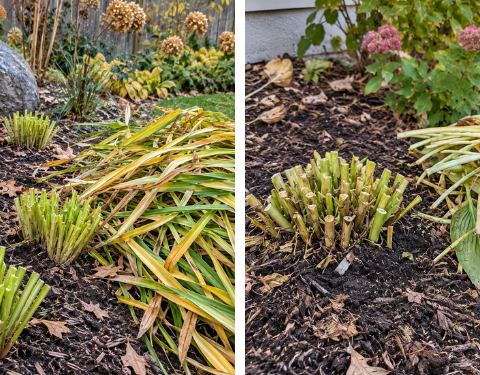
5. Divide and Transplant Perennials
Overcrowded perennials can stop blooming and compete for nutrients. Fall’s cooler weather and moist soil make it the perfect time to divide and move them.
Plants to divide now:
- Daylilies
- Hostas
- Irises
- Coneflowers
- Shasta daisies
How to do it:
- Dig up the plant clump carefully.
- Slice it into sections with a spade or knife, ensuring each has roots and shoots.
- Replant divisions immediately with compost and water well.
Pro Tip: Avoid dividing peonies too late in fall – they need time to establish before winter.
6. Plant Spring-Flowering Bulbs
Fall planting is essential for spring color. Bulbs need weeks of cold to trigger blooming.
Best bulbs to plant in fall:
- Tulips
- Daffodils
- Crocuses
- Hyacinths
- Alliums
Planting tips:
- Plant bulbs two to three times as deep as their height.
- Place the pointed end up.
- Add bone meal or bulb fertilizer to encourage root growth.
- Mulch lightly to insulate.
For continuous color, stagger plantings every week in October so they bloom in succession.
7. Protect Tender Plants and Young Trees
Cold winds, ice, and frost can damage even hardy plants if unprotected.
Ways to protect plants in fall:
- Mulch around the base of shrubs and perennials with 3–4 inches of organic matter.
- Wrap young trees with burlap or tree wrap to prevent sunscald and frost cracks.
- Move tender container plants indoors before the first hard frost.
- For roses, cut back lightly and mound soil around the base for insulation.
Pro Tip: Avoid fertilizing late in fall – it stimulates new growth that won’t survive winter.
8. Clean and Store Garden Tools
Neglected tools spread disease and deteriorate quickly. A little fall maintenance saves money and hassle later.
What to do:
- Wash soil off all tools.
- Disinfect blades with vinegar or bleach solution.
- Sharpen pruners, hoes, and shovels.
- Drain hoses and irrigation systems to prevent cracking.
- Store pots, stakes, and supplies neatly in a dry place.
Come spring, you’ll thank yourself for the head start.
Bonus Tips for Extra Fall Success
- Plant trees and shrubs: Cool weather and moist soil help roots establish before winter.
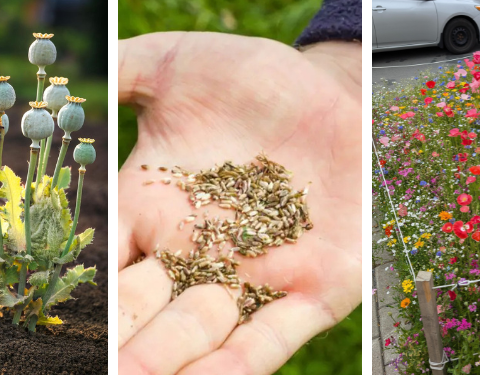
- Save seeds: Collect seeds from open-pollinated vegetables and flowers for next year.
- Check for pests: Look for vole tunnels, insect eggs, and fungal growth before winter sets in.
- Keep a garden journal: Record successes, failures, and notes on bloom times and harvests.
Fall isn’t the end of gardening – it’s the beginning of next year’s success.
By investing time now to clear debris, improve soil, plant bulbs, and protect perennials, you’re setting your garden up for healthier growth, fewer pests, and more abundant harvests.