Citrus fruits like lemons, oranges, limes, and grapefruits are pantry staples in nearly every home. They’re zesty, packed with vitamin C, and incredibly versatile in the kitchen.
But once you’ve juiced, zested, or enjoyed the fruit, what do you do with the peels? If you’re tossing them into the trash or compost bin without a second thought, you’re missing out on one of the most underrated garden allies you already have on hand.
Citrus peels are rich in nutrients, naturally aromatic, and can be used in many clever ways around your garden—from pest control and soil improvement to natural fertilizers and seed starters.
Here are 8 amazing ways to reuse citrus peels in your garden instead of throwing them away:
1. Repel Cats and Dogs from Your Garden Beds
Citrus peels are an all-natural way to keep unwanted pets and stray animals from trampling your flower beds or digging in your vegetable patch.
The strong scent of citrus is unpleasant to cats, dogs, and even some wildlife like raccoons or squirrels.
How to use:
-
Blend citrus peels (orange, lemon, lime) with used coffee grounds.
-
Sprinkle the mixture around your garden beds, especially near problem areas.
-
Reapply every few days or after heavy rainfall.
Bonus: Coffee grounds also act as a slow-release fertilizer, adding nitrogen to your soil while helping deter pests.
2. Add to Your Compost Pile for Nutrient-Rich Soil
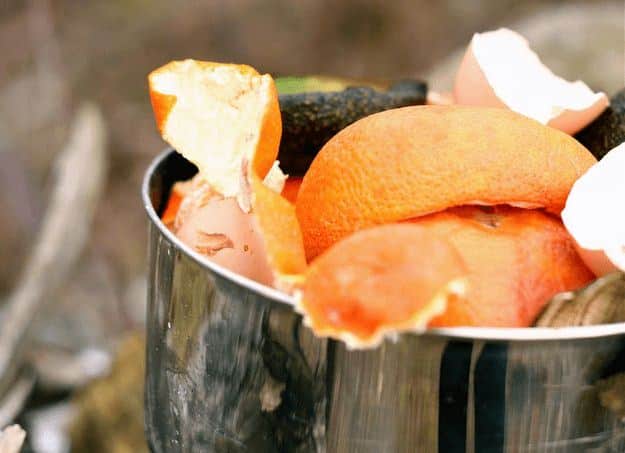
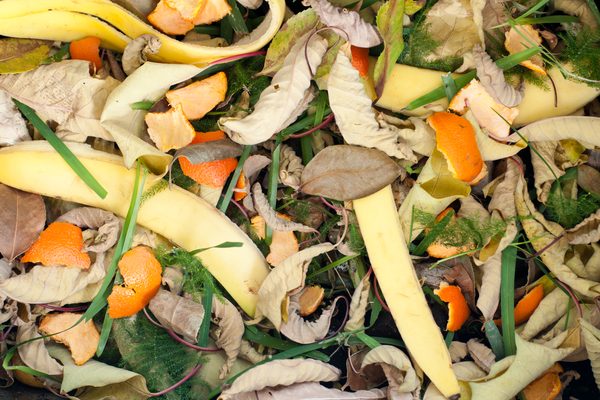
Citrus peels are a great addition to your traditional compost pile. They’re loaded with potassium, phosphorus, and nitrogen, which are essential nutrients for plant growth.
Tips for composting citrus peels:
-
Chop or shred the peels into small pieces to speed up decomposition.
-
Mix them well with other “green” (moist) and “brown” (dry) compost materials to maintain a good balance.
-
Avoid adding too much citrus if you’re doing vermicomposting (worm composting), as citrus can be too acidic and strong for worms.
3. Naturally Acidify Your Soil for Acid-Loving Plants
Some plants—like blueberries, azaleas, rhododendrons, peppers, radishes, and hydrangeas—thrive in slightly acidic soil. Citrus peels can help lower soil pH naturally and add trace nutrients.
How to use:
-
Dry the peels completely and grind them into a coarse powder.
-
Sprinkle this powder around the base of acid-loving plants or mix it into the top layer of soil.
-
Water the area well after applying.

4. Deter Pests Without Harmful Chemicals
Chemical pesticides may be effective, but they can also disrupt beneficial insect populations and contaminate your garden ecosystem. Citrus peels offer a mild but eco-friendly alternative to repel certain pests like aphids, slugs, and whiteflies.
How to use:
-
Cut citrus peels into small pieces and scatter them at the base of pest-prone plants.
-
Alternatively, rub the inside of fresh peels directly onto plant stems to deter insects.
-
You can also make a citrus-infused spray by soaking peels in water for a few days, then spraying it onto leaves.
While this method isn’t as potent as synthetic pesticides, it’s a safe, natural, and non-toxic approach to garden pest control.
5. Add a Natural Fragrance to Your Fire Pit
Have a fire pit or outdoor fireplace in your garden? Citrus peels burn cleanly and release a refreshing citrus aroma when tossed into the flames.
They contain natural oils like limonene that give off a pleasant scent while helping to deter mosquitoes and other flying insects.
How to use:
-
Let citrus peels dry out for a few days.
-
Toss a handful into your fire pit when you light it for a fresh, citrusy scent that also keeps bugs at bay.
6. Repel Mosquitoes Naturally
Mosquitoes are sensitive to citrus-based scents like lemon and orange oils. If you’re looking for a natural way to keep them away during summer evenings in the garden, citrus peels can help.
How to use:
-
Rub fresh citrus peels directly onto your arms, legs, or ankles (avoid open wounds or sensitive skin).
-
Place dried or fresh peels around your seating area or in potted plants on your patio.
-
Crush the peels slightly to release their oils before setting them out.
Note: While not as long-lasting as DEET-based repellents, this method is safe and chemical-free for light protection.
7. Use as a Biodegradable Seed Starter
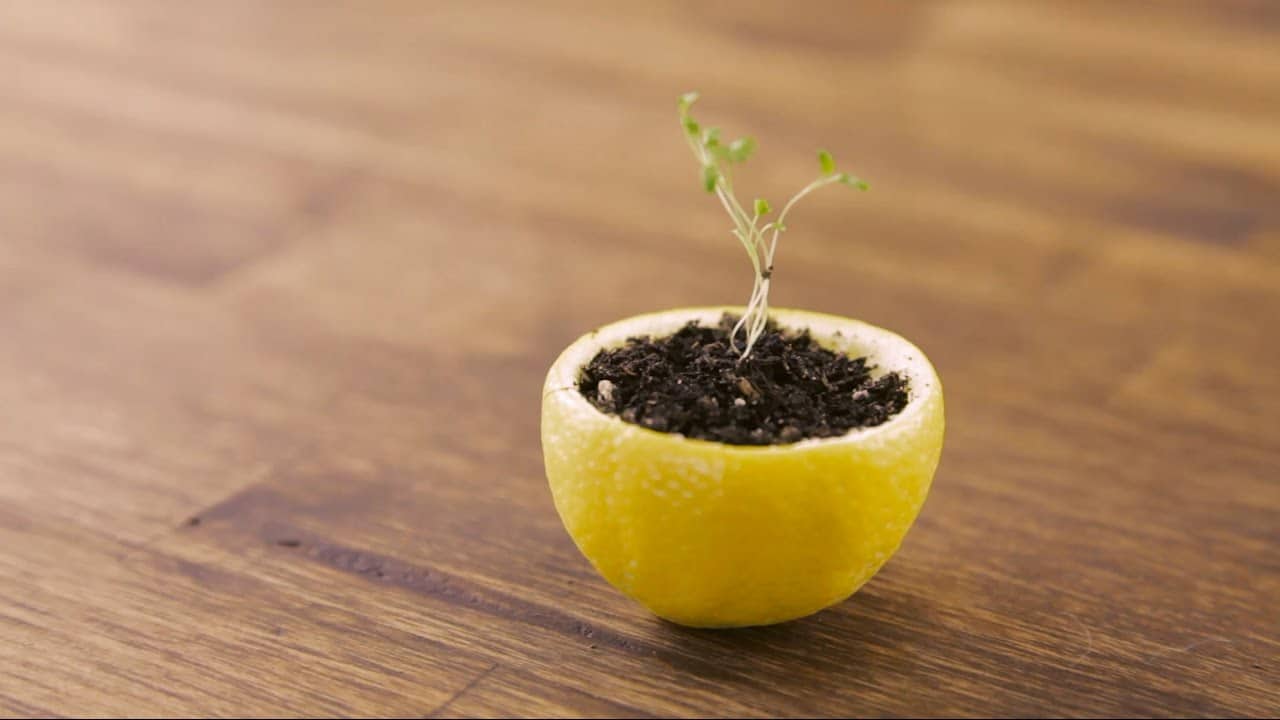
Citrus peels can act as mini seed-starting pots, especially if you cut them in halves and scoop out the pulp. They’re biodegradable and nutrient-rich, making them perfect for young seedlings.
How to use:
-
Cut citrus fruit in half and scoop out the flesh.
-
Poke a small drainage hole at the bottom of each half.
-
Fill with potting mix and plant your seeds.
-
When the seedlings are ready for transplanting, plant the entire peel directly in the garden—it will decompose and nourish the soil as the plant grows.
This method is a sustainable alternative to plastic seed trays or peat pots.
8. Repel Ants the Natural Way
Ants can be a serious nuisance in garden beds and container gardens. Worse, they often protect pests like aphids in exchange for their sugary secretions. Citrus peels—particularly lemon peels—act as a natural deterrent for ants.
How to use:
-
Place chopped lemon or orange peels near the entrance to ant hills or around plants affected by ants.
-
Blend peels with water and spray around plant containers or terrace tiles.
This method is safe for children and pets, and unlike chemical ant repellents, it won’t harm your soil or plants.
Before you throw away your next orange, lemon, or lime peel, remember that these citrus scraps can serve multiple valuable purposes in your garden.
From natural pest control and soil improvement to biodegradable seed pots and refreshing fire pit aromas, citrus peels are a powerful, eco-friendly way to garden smarter.
By using what you already have in your kitchen, you’ll reduce waste, save money, and keep your garden naturally healthy.