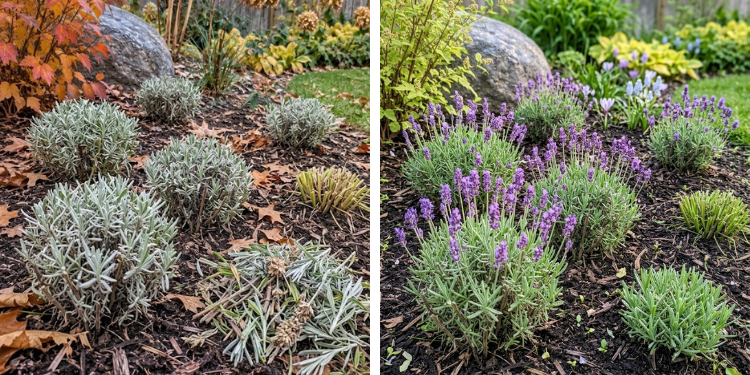
October is an important month for lavender, especially if you live somewhere with cold, wet winters. After months of sunshine, fragrant flowers, and active growth, your lavender is beginning to slow down and prepare for the colder season.
But here’s something many gardeners don’t realize: lavender often struggles more with winter moisture than with cold temperatures alone.
While some lavender varieties can tolerate freezing weather remarkably well, constantly wet soil, poor drainage, and improper fall pruning can seriously damage even established plants.
That’s why October is the perfect time to make a few simple adjustments. You don’t need to completely cut your lavender back or give it extra fertilizer. In fact, doing too much at this time of year can create more problems than it solves.
Whether your lavender grows in the ground or in containers, these seven October tasks can help protect it through winter and encourage healthy growth when spring returns.
1. Give Your Lavender a Light Cleanup, Not a Heavy Pruning
One of the biggest mistakes gardeners make in October is cutting lavender back too aggressively. While lavender benefits from regular pruning, timing matters, especially in regions where freezing temperatures arrive early.
If your plant still has dried flower stalks from summer, you can remove them to improve its appearance. You can also lightly tidy long, uneven green shoots, provided the weather remains mild. However, avoid cutting deeply into the old, woody stems near the center of the plant.
Lavender doesn’t reliably produce new growth from bare, leafless wood. Cutting too far down can leave permanent gaps or even damage the entire plant.
October note: If you live in an area with harsh winters, it’s usually better to avoid substantial fall pruning. Wait until spring, when new growth begins and you can clearly see which stems survived winter.
A light cleanup is enough for now. Your goal is to prepare the plant for winter, not encourage a fresh flush of tender growth.
2. Reduce Watering as Temperatures Drop
Lavender is naturally adapted to sunny environments with relatively dry, well-drained soil. During summer, plants may need occasional deep watering, especially during prolonged droughts.
October is different. Cooler temperatures, shorter days, and increased rainfall mean the soil often stays moist for much longer.
Continuing your summer watering schedule can leave lavender roots sitting in overly wet soil, increasing the risk of root rot.
Before watering, check the soil several inches below the surface. If it still feels moist, wait. Established lavender growing outdoors may need little additional watering during a rainy autumn.
Container-grown lavender requires more attention because pots can dry out differently depending on their size, material, and location.
Important watering note: Don’t assume that drooping or browning lavender always needs more water. Overwatered lavender can show similar symptoms, particularly when its roots begin to deteriorate.
During October, it’s generally safer to let the soil dry appropriately between waterings than to keep it constantly damp.
3. Make Sure the Soil Drains Properly
If there’s one thing lavender needs before winter, it’s excellent drainage.
Lavender roots require oxygen, and soil that remains saturated for extended periods can quickly create problems. This becomes especially important when cold weather slows plant growth and water evaporation.
Take a look at the area surrounding your lavender after rainfall. Does water disappear relatively quickly, or does the ground remain muddy for several days?
If the soil stays soggy, consider ways to improve drainage around the planting area. Raised beds or slightly elevated planting positions can be particularly helpful in climates with wet winters.
For container lavender, check that drainage holes are open and that water isn’t collecting inside decorative outer pots or saucers.
Garden note: Adding a layer of stones to the bottom of a pot doesn’t solve poor drainage. A suitable growing medium and functioning drainage holes are far more important.
Avoid disturbing established lavender roots unnecessarily in October. If a plant is healthy and its soil drains well, there’s no reason to dig it up simply because winter is approaching.
4. Stop Fertilizing Before Winter
Lavender doesn’t need rich soil or frequent feeding to grow successfully. In fact, excessive fertilizer can sometimes encourage soft, leafy growth at the expense of the compact, sturdy habit gardeners love.
By October, it’s generally time to stop fertilizing lavender, particularly in colder climates.
Applying nitrogen-rich fertilizer late in the season may encourage tender new shoots that haven’t had enough time to mature before freezing temperatures arrive.
Instead, allow your lavender to slow down naturally.
A healthy, established plant usually doesn’t need an extra dose of nutrients to prepare for winter.
October note: Don’t fertilize lavender simply because the foliage looks less vibrant than it did during summer. Seasonal changes, aging leaves, excessive moisture, and reduced sunlight can all affect its appearance.
If you suspect a genuine nutrient problem, a soil test is more useful than adding fertilizer without knowing what the plant needs.
5. Clear Weeds and Fallen Leaves From Around the Base
October is a good time to tidy the area around your lavender plants.
As trees begin dropping leaves, garden beds can quickly become covered with damp organic material.
While fallen leaves are beneficial in many parts of the garden, thick, wet layers packed against lavender stems can trap moisture.
Remove weeds growing close to the plant and gently clear away heavy accumulations of leaves from around its woody base.
This improves airflow and helps the crown remain relatively dry.
Be careful not to damage shallow roots while working around established plants.
Quick note: Lavender doesn’t need completely bare soil everywhere around it. The important thing is preventing dense, wet material from remaining piled directly against the crown.
You can leave fallen leaves elsewhere in the garden, where they provide valuable habitat for beneficial insects and help protect the soil.
A little selective cleanup is usually better than stripping the entire garden bare.
6. Prepare Container Lavender for Freezing Temperatures
Lavender growing in pots often needs more winter protection than lavender planted directly in the ground.
That’s because roots in containers are exposed to colder temperatures from several directions. During prolonged freezing weather, the potting mix can become much colder than soil surrounding an established garden plant.
If your area experiences severe winter temperatures, consider moving container lavender to a sheltered outdoor location, such as beside a protected wall, where it still receives adequate light and airflow.
You can also insulate the container with suitable protective material to reduce rapid temperature fluctuations.
However, don’t automatically move lavender into a warm living room.
Lavender generally prefers bright conditions and good airflow, and indoor winter care can be difficult, especially when light is limited.
Container note: A cool, bright, protected location is often more suitable for overwintering hardy lavender than a warm, dark room.
Remember that different lavender varieties have different levels of cold tolerance. English lavender is generally much hardier than French or Spanish lavender.
If you’re growing a tender variety, you may need more substantial frost protection.
7. Check Your Lavender for Damage Before Winter
Before October ends, take a few minutes to inspect your lavender carefully.
Look for broken stems, dead branches, unusually dark foliage, and areas that remain wet or crowded.
Remove clearly dead or broken material, but avoid cutting deeply into healthy woody growth.
Pay particular attention to the center of older plants. Lavender naturally becomes woody as it ages, but excessive moisture can also cause sections to decline.
If stems are blackening near the base and the surrounding soil remains constantly wet, investigate drainage and root health before assuming the plant needs more water.
October inspection note: A few brown leaves or old woody stems don’t necessarily mean your lavender is dying. Older lavender naturally develops a woody center, especially if it hasn’t been pruned regularly during previous growing seasons.
The goal is to distinguish normal aging from problems that require attention.
Should You Cut Lavender Back Completely in October?
No. Lavender should not be treated like herbaceous perennials that naturally die back to the ground every winter.
Unlike hostas or peonies, lavender is a woody perennial shrub that retains living stems and, in suitable conditions, evergreen foliage throughout the colder months.
Cutting it down to ground level can seriously damage or kill the plant.
If your lavender is overgrown and woody, resist the temptation to solve the problem with one dramatic fall pruning session. Instead, plan a careful pruning routine during the appropriate growing season.
Remember: Lavender generally responds best to regular, moderate trimming while plenty of green growth remains.
Should You Cover Lavender During Winter?
That depends on your climate and the variety you’re growing.
Established English lavender often survives cold winters when planted in suitable, well-drained soil. However, less-hardy varieties may require protection from freezing temperatures.
In colder regions, a breathable winter cover can sometimes help protect vulnerable plants from extreme conditions, particularly during severe cold spells.
Avoid wrapping lavender tightly in plastic or covering it with materials that trap moisture around the foliage.
Winter protection note: Keeping lavender dry and well ventilated is often just as important as protecting it from cold. Heavy, moisture-trapping coverings can create problems rather than prevent them.
If you aren’t sure which lavender variety you have, identify it before deciding how much winter protection it needs.
What About Lavender That Is Still Blooming in October?
In mild climates, some lavender varieties may continue producing flowers into October.
If your plant is still flowering, there’s no need to cut everything off simply because autumn has arrived.
You can harvest a few flower stems for drying or enjoy the remaining blooms in the garden.
Avoid aggressive pruning that removes large amounts of healthy foliage.
The plant will naturally slow down as temperatures and daylight decrease.
Flowering note: Late-season blooms don’t mean your lavender needs extra fertilizer. Enjoy the flowers, but allow the plant to transition naturally toward winter.
October lavender care is less about encouraging growth and more about protecting the plant you’ve spent all summer enjoying.
Lightly tidy the plant, reduce unnecessary watering, keep the soil well drained, stop fertilizing, remove damp debris, and prepare containers for cold weather.
These simple adjustments help lavender enter winter in better condition without encouraging vulnerable late-season growth.