When most people think about growing vegetables, they immediately picture expansive garden beds or large backyard plots.
But what if you live in an apartment, have only a tiny balcony, or simply don’t have room for a full garden? The good news is—you can still enjoy growing your own fresh vegetables and herbs!
Small-space gardening is not only possible, it’s easier than you might think. In fact, one of the simplest methods is to grow vegetables in cups.
Yes, cups! Whether it’s your porch, balcony, deck, windowsill, or even a sunny corner inside your home, you can create a thriving mini-garden using only a few containers.
Growing in cups offers some unexpected advantages. In addition to maximizing your limited space, it allows you to care for all your plants at once, saving time and effort.
Plus, when seedlings grow large enough, you can easily transplant them into larger pots, grow bags, or straight into the ground if you want bigger yields.
Even better, cup gardening is a fantastic educational activity to involve children. Instead of being glued to screens, they can learn valuable lessons about plant growth, responsibility, and caring for the environment—all through the fun of growing seeds in a simple cup.
Here are seven fantastic vegetables and herbs you can grow successfully in cups—even if you only have a few square feet to spare!
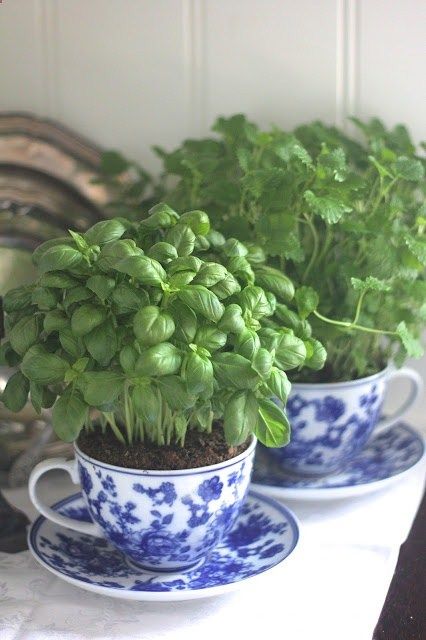
1. Basil
Basil is one of the most popular and rewarding herbs to grow indoors or out. Known for its fragrant leaves that enhance countless dishes, basil grows beautifully in small containers like cups.
Growing Tips:
Use a six-inch cup or planter with drainage holes. Fill it with fresh potting soil and sow a few basil seeds just beneath the surface.
Basil prefers warm temperatures and plenty of sunlight—at least 6 hours a day. If you’re growing indoors, place your cup near a sunny window or move it outside during the day.
When watering, avoid splashing water onto the leaves and stems. Instead, pour water gently at the base to prevent rot and fungal diseases.
Bonus Tip: Regularly pinch off the tops of the basil plants to encourage bushier growth and more leaves for harvest.
2. Parsley
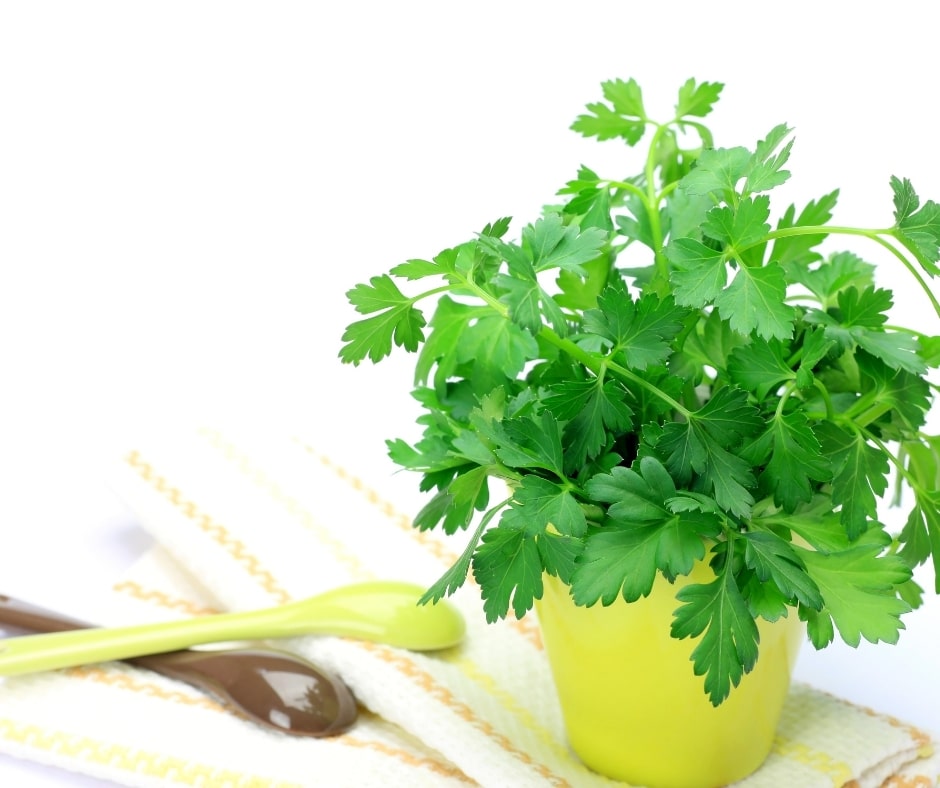
Parsley is another excellent herb to grow in cups, perfect for garnishing dishes or adding flavor to recipes.
Growing Tips:
Parsley thrives in partial sunlight and prefers cooler conditions. It’s an ideal plant for small apartments or indoor kitchens.
Keep the soil evenly moist but not soggy. Parsley grows best at temperatures between 40 and 80 degrees Fahrenheit, making it a great choice for both spring and fall gardening.
Bonus Tip: Parsley grows slowly at first, but once established, it can produce leaves for months. Snip outer stems first to encourage new central growth.
3. Oregano
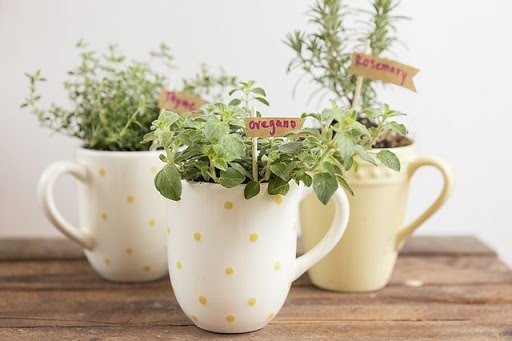
Oregano is a versatile, low-maintenance herb that grows exceptionally well in containers, including cups.
Growing Tips:
Oregano loves the sun! Place your cups in a location that gets at least 6 hours of direct sunlight each day.
The soil should be well-draining. Oregano doesn’t need as much water as some herbs—allow the soil to dry slightly between waterings.
During cooler months, you can move your oregano indoors to protect it from frost and continue growing it year-round.
Bonus Tip: Frequent light trimming will encourage oregano to grow fuller and bushier.
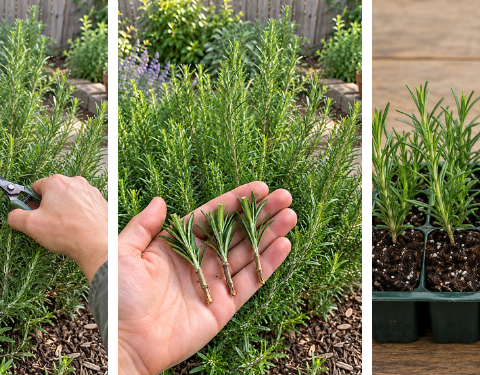
4. Rosemary
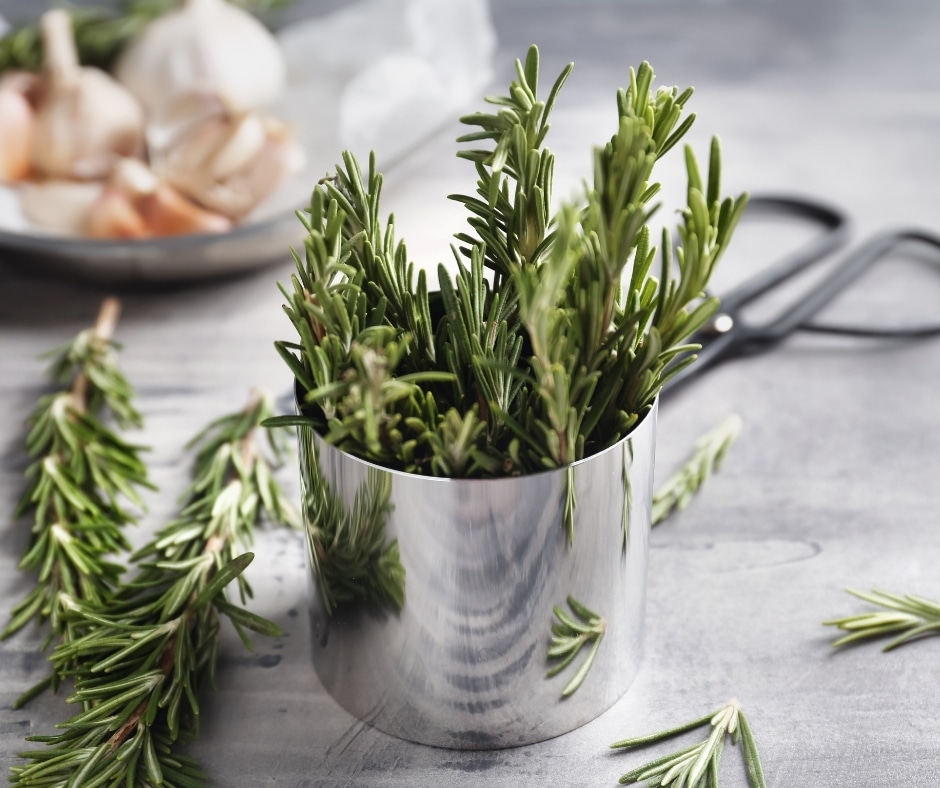
Rosemary is a wonderfully aromatic herb with a variety of culinary and medicinal uses. Growing rosemary in cups is possible, but it requires a little extra attention.
Growing Tips:
Use a larger cup or deep container to accommodate rosemary’s root system. Choose alkaline or neutral soil and mix in a bit of sand at the bottom for excellent drainage.
Rosemary thrives with full sunlight—aim for at least 6 to 8 hours a day. Water only when the soil feels dry an inch below the surface.
Bonus Tip: Avoid overwatering. Rosemary prefers to be slightly dry rather than soggy. Good airflow around the plant also prevents mildew.
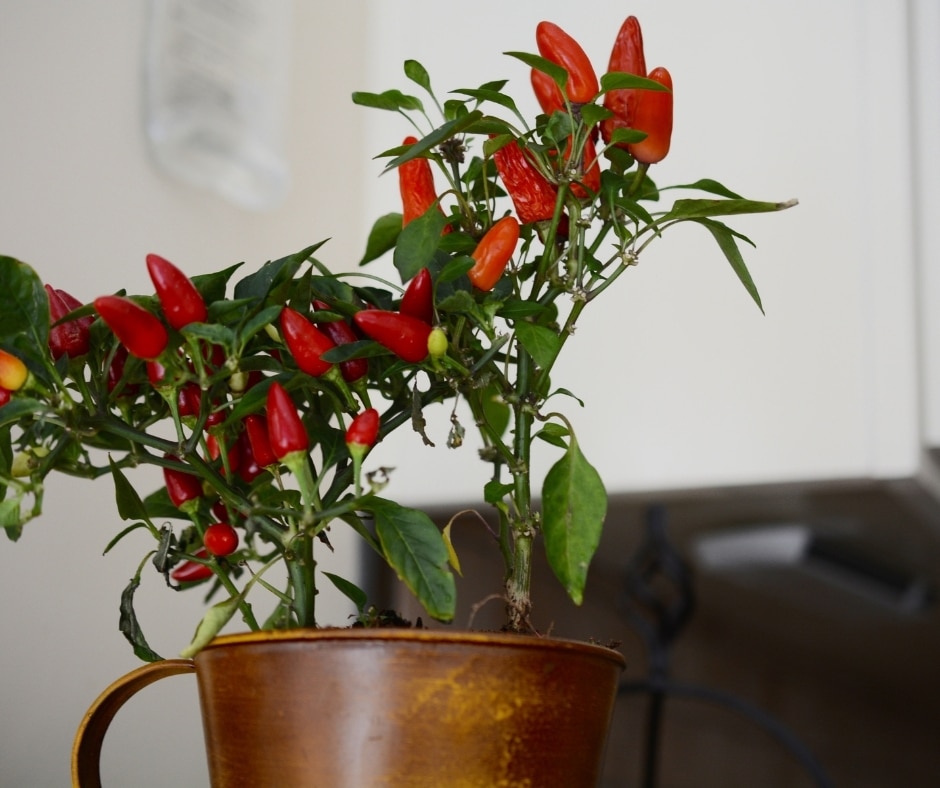
5. Peppers
Believe it or not, peppers (both sweet and hot varieties) are fantastic candidates for cup gardening, especially when started from seeds or small seedlings.
Growing Tips:
Choose a large, sturdy cup with good drainage, preferably 6 to 8 inches wide.
Peppers require plenty of sunlight—at least 8 hours daily. Place your cups on a sunny balcony or windowsill.
As the plants grow, you may need to transplant them into larger containers to allow the roots to spread and to support heavy fruit.
Bonus Tip: Water deeply but infrequently to encourage strong roots. Feeding peppers with a low-nitrogen fertilizer once they begin to flower will encourage fruit production.
6. Lettuce
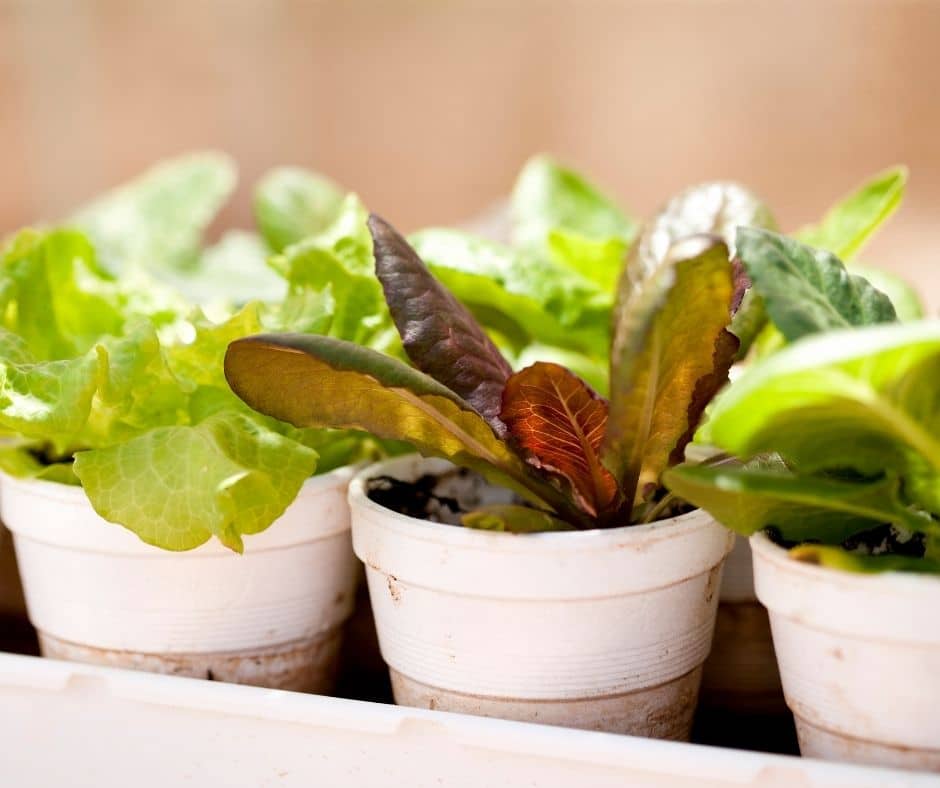
If you’re a fan of fresh salads, growing lettuce in cups is an easy and rewarding project.
Growing Tips:
Lettuce prefers cooler temperatures and partial sun—too much heat can cause it to bolt (go to seed).
Sow seeds directly into moist potting soil in your cups. Place them in a spot where they receive 4–6 hours of sunlight daily.
Keep the soil consistently moist but not waterlogged.
Bonus Tip: Harvest outer leaves as needed instead of pulling the whole plant. This way, your lettuce will continue to produce for weeks.
7. Green Onions
Green onions (also called scallions) are one of the easiest vegetables to grow in cups, making them perfect for beginners.
Growing Tips:
Use a shallow, wide cup for best results. Green onions have shallow roots but like a bit of space to spread.
Sow seeds or regrow them from kitchen scraps by placing cut root ends in soil or water.
Ensure they get at least 4 to 6 hours of sunlight daily and keep the soil consistently moist.
Bonus Tip: Green onions regrow quickly after harvesting. Just snip off the tops and let them continue growing for an ongoing supply.
Advantages of Growing Vegetables in Cups
- Space Saving: Even if you only have a windowsill or balcony, you can grow a surprising amount of herbs and vegetables.
- Easy to Manage: Having all your plants together makes watering, pruning, and harvesting fast and convenient.
- Great for Starters: Cups are perfect for starting seeds that can later be transplanted into larger containers or garden beds.
- Inexpensive: Cups are affordable, and you can even upcycle disposable or unused cups to save even more.
- Portable: Move your plants easily to follow the sun or protect them from bad weather.
- Educational for Kids: Teaching children about plant life cycles, responsibility, and nature is easy and fun with small container gardens.
You don’t need a large backyard or elaborate raised beds to enjoy fresh herbs and vegetables. Growing plants in cups is a smart, simple, and satisfying way to embrace gardening even in the smallest of spaces.
With a little sunlight, some good soil, and a few minutes of daily care, you’ll be amazed at how much greenery you can cultivate right on your deck, windowsill, or balcony.
From fragrant herbs like basil and oregano to crunchy lettuce and sweet peppers, there are endless possibilities when you think small but dream big.
So grab a few cups, some seeds, and start your miniature garden today—you’ll love the fresh flavors and the sense of accomplishment that comes with growing your own food.