If you’re looking to take your garden to the next level without spending a fortune on fancy tools or commercial products, you’re in for a treat.
With just a few clever tricks using household items and nature’s own resources, you can boost your garden’s productivity, enhance plant health, and make your green space more beautiful and sustainable.
Whether you’re a beginner gardener or a seasoned green thumb, these 7 time-saving gardening hacks will not only simplify your gardening routine but also help you grow healthier, more vibrant plants while making the most of what you already have.
1. Regrow Roses Using Potatoes (Potato Roses)
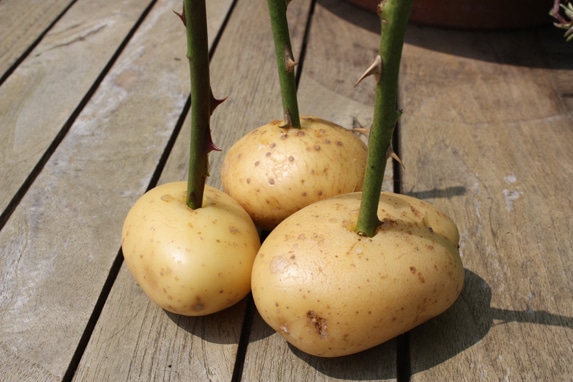
Want to grow a new rosebush from a stem cutting? Try this simple yet brilliant hack using a potato.
Potatoes act as a natural rooting medium for rose cuttings by maintaining moisture around the stem and protecting the cutting from drying out while it takes root.
Here’s how it works: Cut a healthy rose stem at a 45-degree angle, remove the leaves and thorns from the lower half, and insert the cut end about one inch into a small, firm potato.
Then, plant the potato directly into the ground or a pot filled with soil, making sure it’s buried a few inches deep.
Keep the soil moist and the plant in partial sun. Over time, the rose cutting will develop roots and begin to sprout new growth.
This technique is perfect for propagating roses inexpensively and with a higher success rate than planting cuttings alone.
2. Epsom Salt as a Multi-Purpose Garden Fertilizer
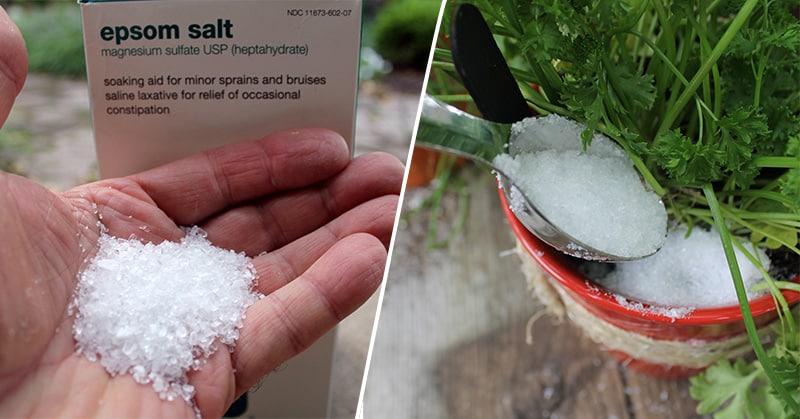
Epsom salt—magnesium sulfate—is a powerful natural fertilizer that many gardeners swear by.
This inexpensive mineral compound helps enhance nutrient absorption, particularly of nitrogen and phosphorus, which are vital for plant health.
It also boosts seed germination, encourages lush green foliage, strengthens plant cell walls, and even helps improve the taste of fruits and vegetables.
To use Epsom salt in your garden, simply mix 1 tablespoon into a gallon of water and spray or water your plants once every 2 to 4 weeks.
Tomatoes, peppers, roses, and leafy greens respond especially well. Be sure to choose fragrance-free, natural Epsom salts, free of any added chemicals or dyes.
You can also sprinkle dry Epsom salt around the base of plants for slow-release benefits.
3. Grow Natural Mosquito Repellers
Tired of pesky mosquitoes ruining your time outdoors? Grow your defense instead of buying it. Several fragrant herbs not only repel mosquitoes but also double as culinary powerhouses.
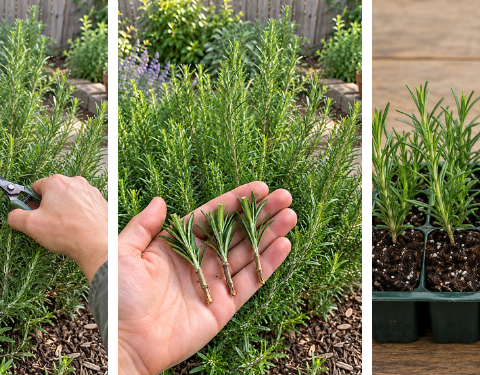
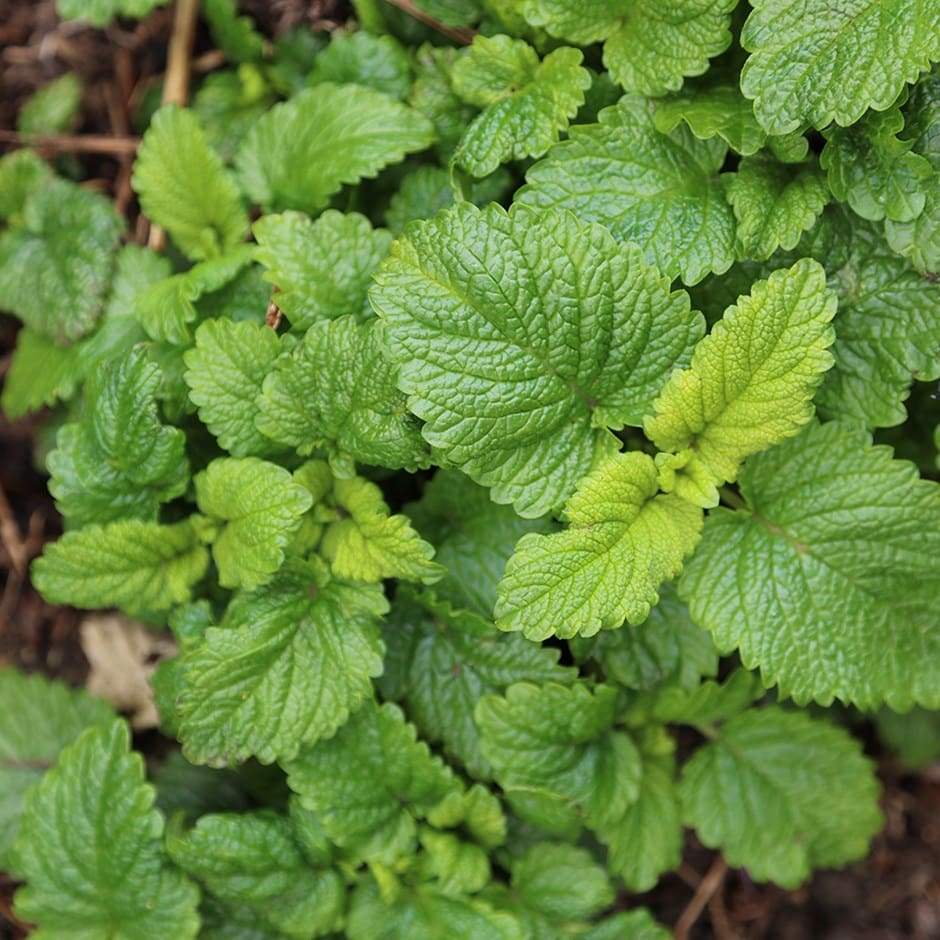
Lemon balm, peppermint, lavender, basil, citronella grass, and rosemary are all known for their mosquito-repelling properties.
These plants release strong natural oils that mosquitoes hate, especially when touched or crushed. Strategically plant them near outdoor seating areas, entryways, and windows, or keep them in pots on your patio.
As a bonus, many of them also deter other common garden pests, attract pollinators like bees and butterflies, and fill your space with refreshing scents.
With minimal maintenance, they’ll keep your garden inviting—for humans, not bugs.
4. Milk as a Natural Fertilizer and Antifungal Treatment
Yes, milk! Beyond being a kitchen staple, milk is surprisingly effective in the garden.
It’s rich in calcium, a vital nutrient for strong cell development in plants, and it also works as a gentle, natural antifungal spray for common garden diseases like powdery mildew and black spot.
To fertilize with milk, dilute it in a 1:1 ratio with water and apply it to the soil or leaves once a month.
Plants like tomatoes, squash, and peppers benefit especially from the calcium boost, which helps prevent blossom end rot.
You can even use expired milk—just make sure it’s not too sour, and dilute it properly to avoid odor issues.
As an antifungal spray, mix 1 cup of milk with 2–3 cups of water and spray the affected plant parts weekly until the issue improves.

5. Eggshells and Coffee Grounds for Nutrient-Rich Compost
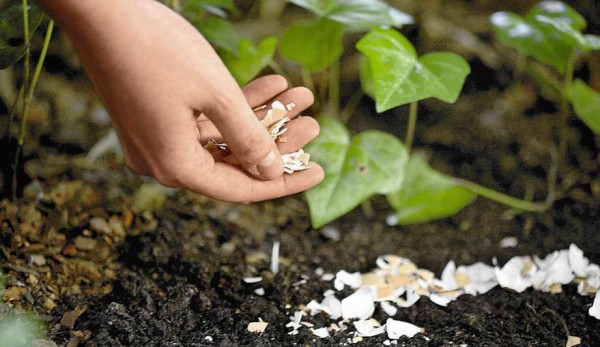
Instead of tossing your eggshells and used coffee grounds in the trash, give them a second life as powerful natural compost enhancers.
Eggshells are packed with calcium and trace minerals, while coffee grounds add nitrogen and improve soil texture. Together, they create a nutrient-rich boost for your garden soil.
Crush dried eggshells into fine pieces before adding them to your soil or compost pile to help them break down faster.
Coffee grounds, whether fresh or used, can be worked directly into the soil around acid-loving plants like tomatoes, blueberries, and roses.
This combination is also known to help reduce blossom end rot, a common problem in tomatoes caused by calcium deficiency.
6. Regrow Vegetables from Kitchen Scraps
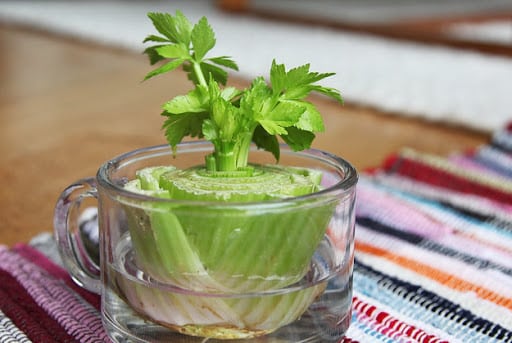
Why buy the same vegetables over and over when you can regrow them from scraps? Many common kitchen veggies can be replanted and grown indefinitely with just a bit of water, sunlight, and patience.
Green onions, garlic, leeks, celery, lettuce, sweet potatoes, and even carrots can all be regrown from the leftover ends or sprouted tops.
Place green onion roots in a jar of water and set them on a sunny windowsill. Watch new green shoots grow within days.
Sweet potatoes can be rooted in water and planted outdoors once sprouted. For carrots, use the tops (not the roots) to grow vibrant carrot greens, which are edible and full of nutrients.
This hack not only reduces waste but gives you a renewable source of fresh produce all year long—even indoors.
7. Baking Soda for Sweeter Tomatoes
If you want to grow tomatoes that are sweeter and less acidic, you may already have the secret ingredient in your pantry: baking soda.
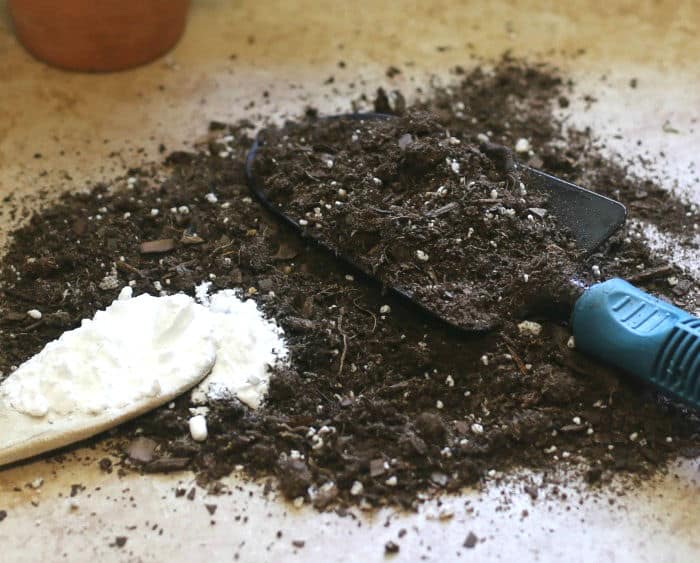
This household staple is alkaline and helps lower the acidity of the soil, which can lead to naturally sweeter tomatoes.
Sprinkle a small amount—about 1 teaspoon—of baking soda around the base of your tomato plants, being careful not to get it on the leaves.
Water it in gently so it dissolves into the soil. Do this once or twice during the growing season for best results.
This simple, safe method can subtly improve flavor and help you grow tastier crops without chemical additives.
These gardening hacks prove that you don’t need fancy tools, expensive fertilizers, or chemical treatments to cultivate a thriving garden.
With just a little creativity and everyday household items, you can transform your backyard into a lush, productive, and eco-friendly oasis.
Whether you’re regrowing vegetables from scraps, feeding your plants with milk and eggshells, or using natural repellents to keep bugs at bay, these tricks save time, reduce waste, and help your garden thrive—all naturally.
Try one (or all!) of these hacks this season and see how easy it is to grow smarter, not harder.