Cinnamon isn’t just for your kitchen. This sweet-smelling spice, commonly used in baking and warm drinks, is also one of the best-kept secrets in the gardening world.
Sprinkling cinnamon on your plants might sound like a curious home remedy – but it’s grounded in both science and tradition.
Derived from the inner bark of Cinnamomum trees, cinnamon is packed with antimicrobial, antifungal, and antioxidant compounds that benefit plants in multiple ways.
It’s completely natural, affordable, and readily available, making it a powerful tool for any gardener.
1. Cinnamon Prevents Fungal Diseases in Seedlings (Damping-Off)
Damping-off is one of the most frustrating problems gardeners face when starting seeds. This fungal disease causes young seedlings to wilt and collapse at the soil line, often overnight.
It’s caused by soil-borne fungi like Pythium, Rhizoctonia, and Fusarium, which thrive in damp conditions.
How Cinnamon Helps:
Cinnamon has potent antifungal properties. When sprinkled over seed-starting mix, it creates an inhospitable environment for the fungi responsible for damping-off.
Its natural compounds – including cinnamaldehyde – have been shown to inhibit fungal spore germination and spread.
How to Use It:
- Sprinkle ground cinnamon directly onto the soil surface of seed trays or pots.
- Combine with sterile, well-draining soil for best results.
- Repeat after watering to maintain protection during germination.
Using cinnamon when sowing seeds can drastically reduce seedling loss, helping you start your garden strong.
2. Cinnamon Stimulates Rooting in Cuttings
Many gardeners rely on commercial rooting hormones to propagate plant cuttings – but cinnamon can serve as an effective, natural alternative.
How Cinnamon Helps:
Cinnamon contains antimicrobial agents that protect cuttings from rot and disease during their vulnerable rooting phase.
While it doesn’t directly promote root growth like synthetic auxins do, it prevents infection and keeps the base of the cutting healthy, giving it a better chance to form roots.
How to Use It:
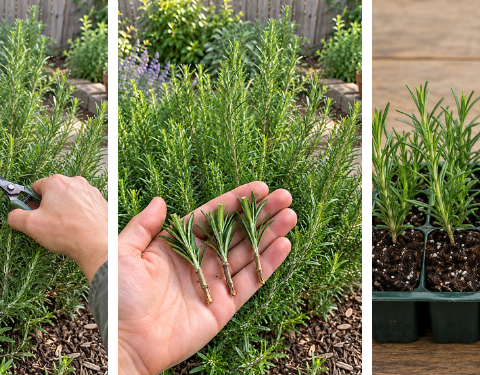
- Dip the cut end of your cutting into ground cinnamon.
- Let it sit for a few minutes before planting it into moist soil or growing medium.
- Works especially well for softwood cuttings like basil, mint, and coleus.
This method is particularly useful if you want to avoid synthetic chemicals or create a more sustainable propagation routine.
3. Cinnamon Repels Common Garden Pests
Pests are an unavoidable part of gardening, but cinnamon can help reduce their impact – without resorting to harsh pesticides.
How Cinnamon Helps:
The strong scent and antimicrobial compounds in cinnamon act as natural deterrents for many insects and crawling pests.
It doesn’t kill bugs instantly like synthetic pesticides but disrupts their habitat and deters feeding and nesting.
Pests Cinnamon May Help Repel:
- Ants
- Gnats and fungus gnats
- Mosquitoes (around containers and stagnant water)
- Aphids (when mixed into DIY sprays)
- Spider mites
How to Use It:
- Sprinkle cinnamon powder around the base of plants to create a physical and aromatic barrier.
- Dust the top layer of houseplant soil to deter fungus gnats and ants.
- For outdoor beds, mix cinnamon into the soil or combine with cayenne pepper and sprinkle where ants are nesting.
For potted plants, especially indoors, cinnamon is an excellent chemical-free pest management tool.
4. Cinnamon Helps Heal Plant Wounds and Cuts
When pruning or transplanting, plants experience stress and are vulnerable to disease through exposed tissue. Just like humans need antiseptics for cuts, plants benefit from protective agents like cinnamon.
How Cinnamon Helps:
Cinnamon’s natural antimicrobial and antifungal properties protect open plant tissue from infection.
Applying it to pruning wounds or broken stems can prevent rot and secondary disease while allowing the plant to heal.
How to Use It:
- After pruning, dust the cut ends of stems or branches with cinnamon.
- Apply to broken branches or wounds from pests or weather damage.
- Especially useful for tropicals like orchids and succulents prone to rot.
Using cinnamon this way can help reduce transplant shock and prevent infections that delay recovery or kill the plant altogether.
5. Cinnamon Prevents and Controls Mold and Mildew
Mold and mildew are common problems in damp conditions – whether it’s fuzzy white mold on seed trays, powdery mildew on leaves, or gray mold on stems.
Cinnamon offers a natural way to manage these issues without resorting to synthetic fungicides.
How Cinnamon Helps:
The fungicidal properties of cinnamon are effective against a variety of mold spores.
Studies have shown that cinnamon essential oil and powder inhibit the growth of Aspergillus, Penicillium, and Botrytis – common culprits behind plant mold problems.
How to Use It:
Sprinkle cinnamon powder on the soil surface where mold is visible.
For powdery mildew on leaves, create a DIY cinnamon spray:
- Mix 1 tablespoon of cinnamon with 2 cups of warm water.
- Let it steep overnight, strain, and spray on affected foliage.
Use consistently to prevent future outbreaks.
Unlike many chemical fungicides, cinnamon is safe for use around children, pets, and pollinators.
6. Cinnamon Keeps Houseplants Healthy and Pest-Free
Cinnamon isn’t just for outdoor gardens – it’s especially helpful for houseplants, which are often affected by fungus gnats, mold, and soil pathogens due to stagnant indoor conditions.
Common Problems Cinnamon Solves Indoors:
- Fungus gnats laying eggs in moist potting mix
- White mold on the soil surface or plant base
- Root rot from bacteria or fungal infections
- Slow or stunted growth due to soil pathogens
How to Use It:
- Lightly dust the soil surface with cinnamon powder after watering.
- Use during potting or transplanting to prevent infection.
- Add cinnamon to your DIY neem oil or soap spray for added antifungal benefit.
By adding a cinnamon routine to your indoor plant care, you can cut down on pests and diseases naturally, keeping your plants healthier year-round.
Bonus: Cinnamon Is Safe, Affordable, and Eco-Friendly
Beyond its practical gardening uses, cinnamon stands out for being:
- Non-toxic and pet-safe (unlike many commercial garden chemicals)
- Biodegradable and won’t build up harmful residues in soil
- Affordable and readily available in most households
- Shelf-stable, making it easy to keep on hand for year-round use
Unlike synthetic fungicides and pesticides, cinnamon supports a more eco-friendly and sustainable garden – ideal for organic growers or those reducing chemical input.
Tips for Using Cinnamon in the Garden
While cinnamon is a powerful tool, using it correctly ensures the best results:
- Use ground cinnamon (not sticks) – It disperses evenly and is easy to apply to soil and wounds.
- Avoid overuse – A light dusting is enough. Excessive application can temporarily change soil pH.
- Use fresh cinnamon – Cinnamon loses potency over time. Replace old containers after 1–2 years.
- Combine with other natural remedies – Mix with neem oil, garlic spray, or diatomaceous earth for multipurpose pest control.
Common Questions About Using Cinnamon on Plants
Will cinnamon harm my plants?
No, when used in moderation, cinnamon is safe and even beneficial. Just avoid applying it excessively, especially to seedlings, as heavy layers can slightly alter soil texture or pH.
Can I use cinnamon essential oil instead of powder?
Yes, but use with caution. Cinnamon oil is very concentrated and can burn foliage if not properly diluted. A safe dilution ratio is 1–2 drops per cup of water, plus a mild emulsifier like soap.
Is cinnamon a good replacement for chemical pesticides?
It’s not a complete substitute for all pests, but it’s effective as a deterrent and fungal suppressant. For severe infestations, it works best as part of an integrated pest management approach.
Sprinkling cinnamon on your plants may seem unconventional, but it’s one of the easiest and most effective natural strategies to protect and improve your garden.
From fighting fungal infections and rooting cuttings to repelling pests and preventing mold, cinnamon offers a versatile solution for both indoor and outdoor plant care.