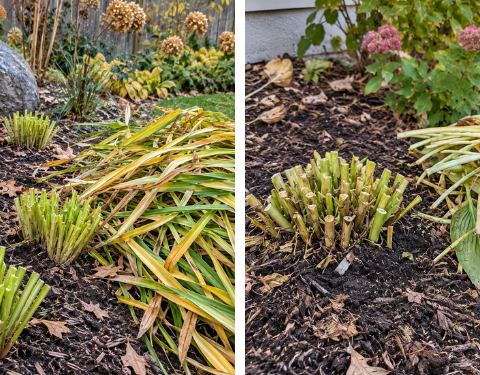
Weeds are a persistent nuisance for gardeners, competing with plants for nutrients, sunlight, and water.
While chemical herbicides can be effective, they often introduce harmful toxins into the environment, affecting soil health, beneficial insects, and even human health.
Fortunately, there are natural methods to combat weeds without compromising the ecosystem.
Here are five effective and environmentally friendly ways to kill unwanted weeds in your garden naturally.
1. Use Mulch to Smother Weeds
Mulching is one of the best natural weed control methods. By covering the soil with a thick layer of organic or inorganic material, you can prevent weed seeds from germinating and suppress existing weeds.
How to Use Mulch Effectively:
- Apply organic mulch (wood chips, straw, grass clippings, or shredded leaves) in a layer at least 2-4 inches thick around your plants.
- Use landscape fabric or cardboard under mulch for added protection.
- Replenish mulch periodically as it decomposes to maintain effectiveness.
Benefits:
- Retains soil moisture and regulates temperature.
- Improves soil fertility as organic mulch decomposes.
- Reduces the need for frequent weeding.
2. Boiling Water – A Simple and Immediate Solution
Boiling water is an excellent natural way to kill weeds, especially in pathways, driveways, or areas with no desired vegetation.
How to Apply:
- Bring water to a rolling boil in a kettle.
- Carefully pour it directly onto weeds, focusing on the base of the plant.
- Repeat if necessary for stubborn weeds.
Benefits:
- Kills weeds instantly by destroying their cell structure.
- No residual effects on soil, making it safe for replanting.
- Completely free and chemical-free.
3. Vinegar – A Natural Herbicide
Vinegar, particularly white vinegar with a 5-20% acetic acid concentration, is highly effective in killing weeds by dehydrating their leaves.
How to Use:
- Pour undiluted vinegar into a spray bottle.
- Apply directly to weeds on a sunny day for best results.
- Avoid spraying desirable plants as vinegar is non-selective.
- For tougher weeds, add a teaspoon of dish soap to help the solution adhere.
Benefits:
- Biodegradable and safe for the environment.
- Quick results within hours.
- Works best on young, tender weeds.
4. Manual Removal – The Traditional Approach
Hand-pulling or using garden tools is an effective method for eliminating weeds at their roots, preventing regrowth.
Best Practices for Hand Weeding:
- Pull weeds after rain when the soil is moist for easier removal.
- Use tools like a weeding fork or hoe to extract deep-rooted weeds.
- Remove the entire root system to prevent regrowth.
- Dispose of pulled weeds properly to avoid spreading seeds.
Benefits:
- Ensures complete removal without chemicals.
- Works well for garden beds and small areas.
- Prevents weeds from producing seeds and spreading.
5. Salt – A Strong Natural Weed Killer
Salt is an age-old method for killing weeds, but it must be used cautiously as it can affect soil quality and nearby plants.
How to Use Salt for Weed Control:
- Dissolve 1 part salt in 2 parts water and apply directly to weeds.
- Sprinkle a small amount of dry salt at the base of persistent weeds.
- Avoid using salt near desirable plants or garden beds, as it can sterilize soil.
Benefits:
- Highly effective for pathways, driveways, and cracks in sidewalks.
- Provides long-term weed suppression in non-plant areas.
- Readily available and inexpensive.
Bonus Tips for Preventing Weed Growth
- Encourage a Dense Lawn or Garden: A thick ground cover prevents weed seeds from sprouting.
- Use Cover Crops: Planting cover crops like clover can outcompete weeds and improve soil health.
- Rotate Crops in Vegetable Gardens: This disrupts weed growth cycles and improves soil balance.
- Keep Up with Regular Maintenance: Regularly inspect and remove weeds before they spread.
Killing unwanted weeds naturally is not only better for the environment but also improves soil health and plant growth.
By using methods like mulching, boiling water, vinegar, manual removal, and salt, you can effectively manage weeds without relying on harmful chemicals.